
Last updated November 16, 2026
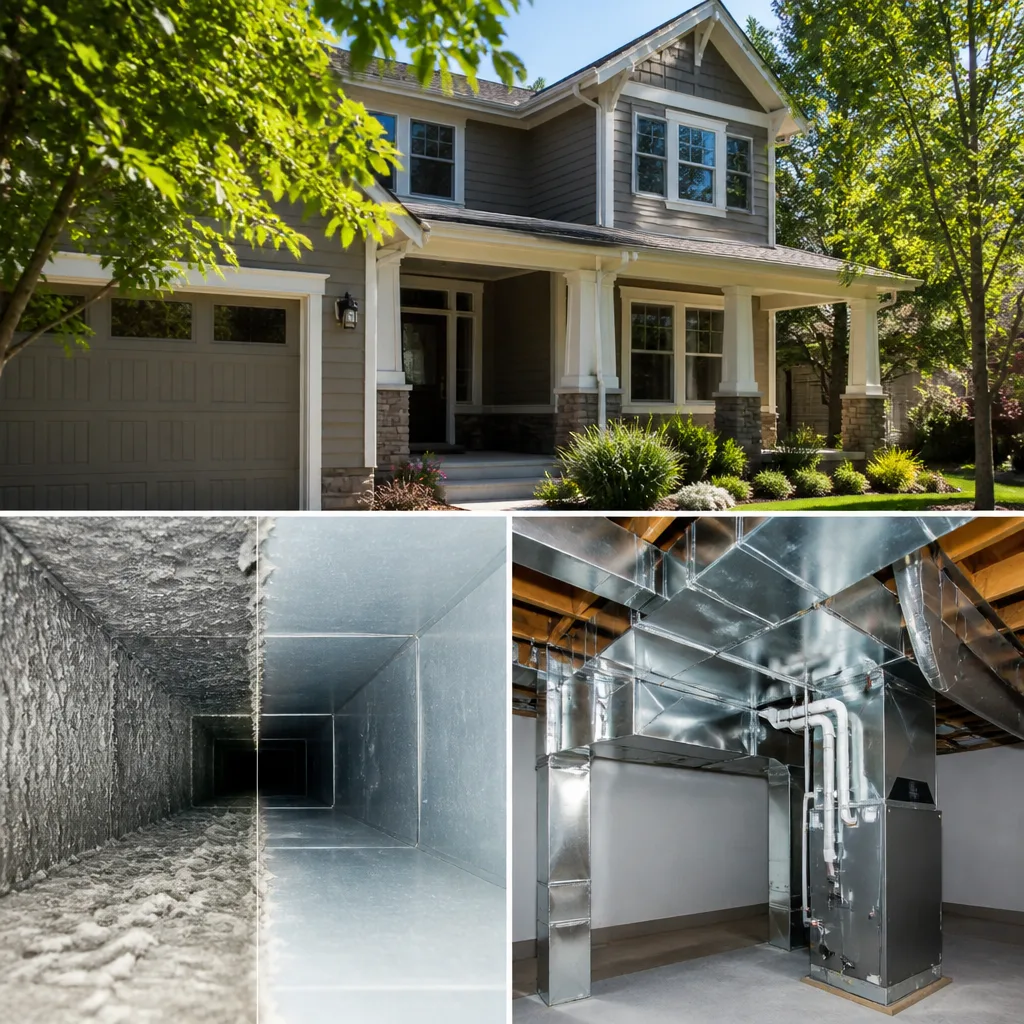 Whole-home duct cleaning
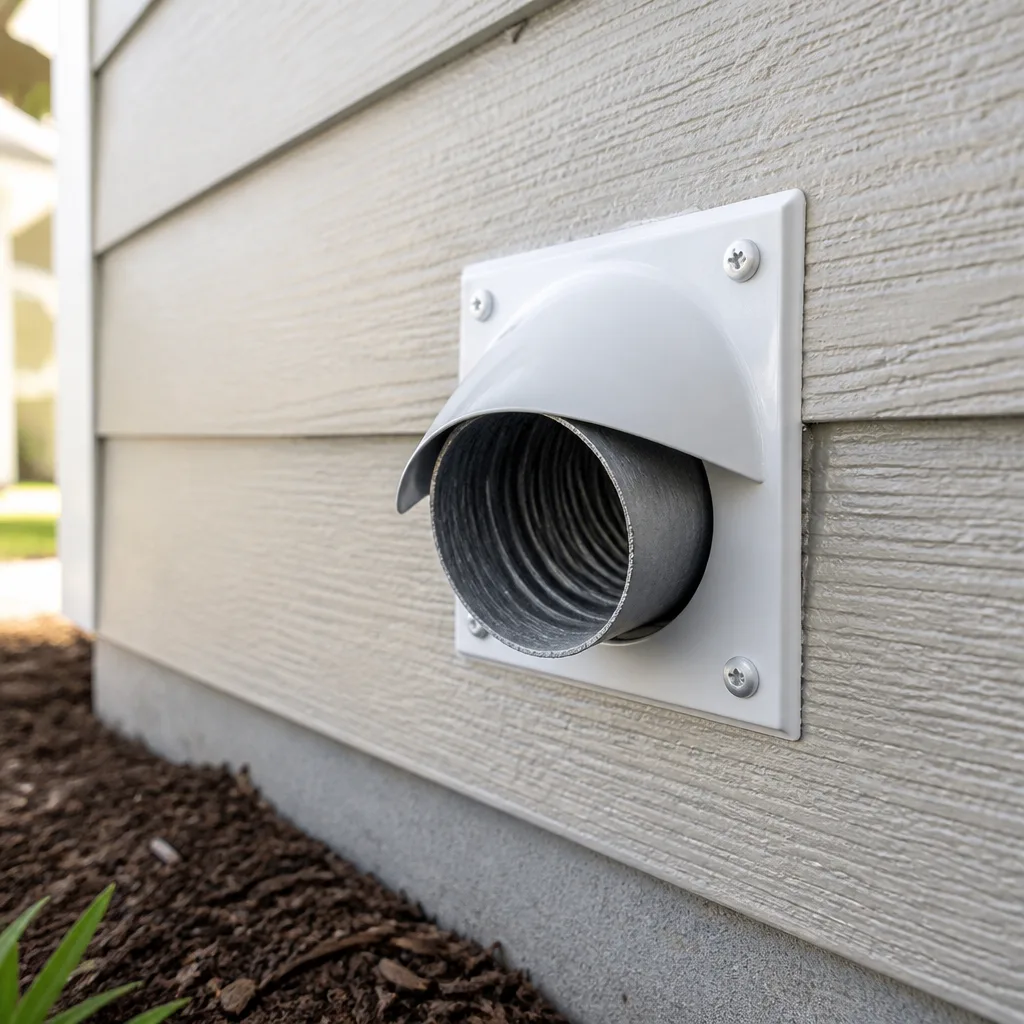 Dryer vent cleaning
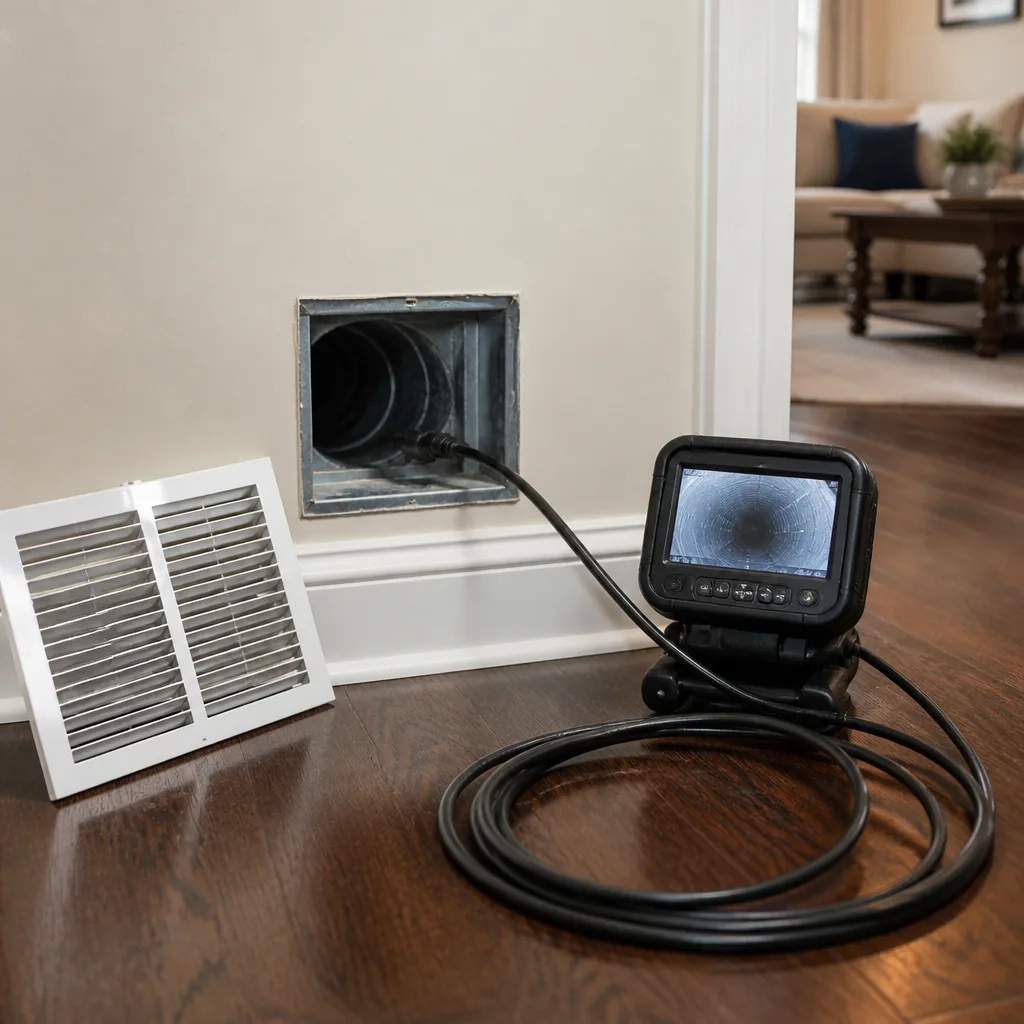 Camera inspection
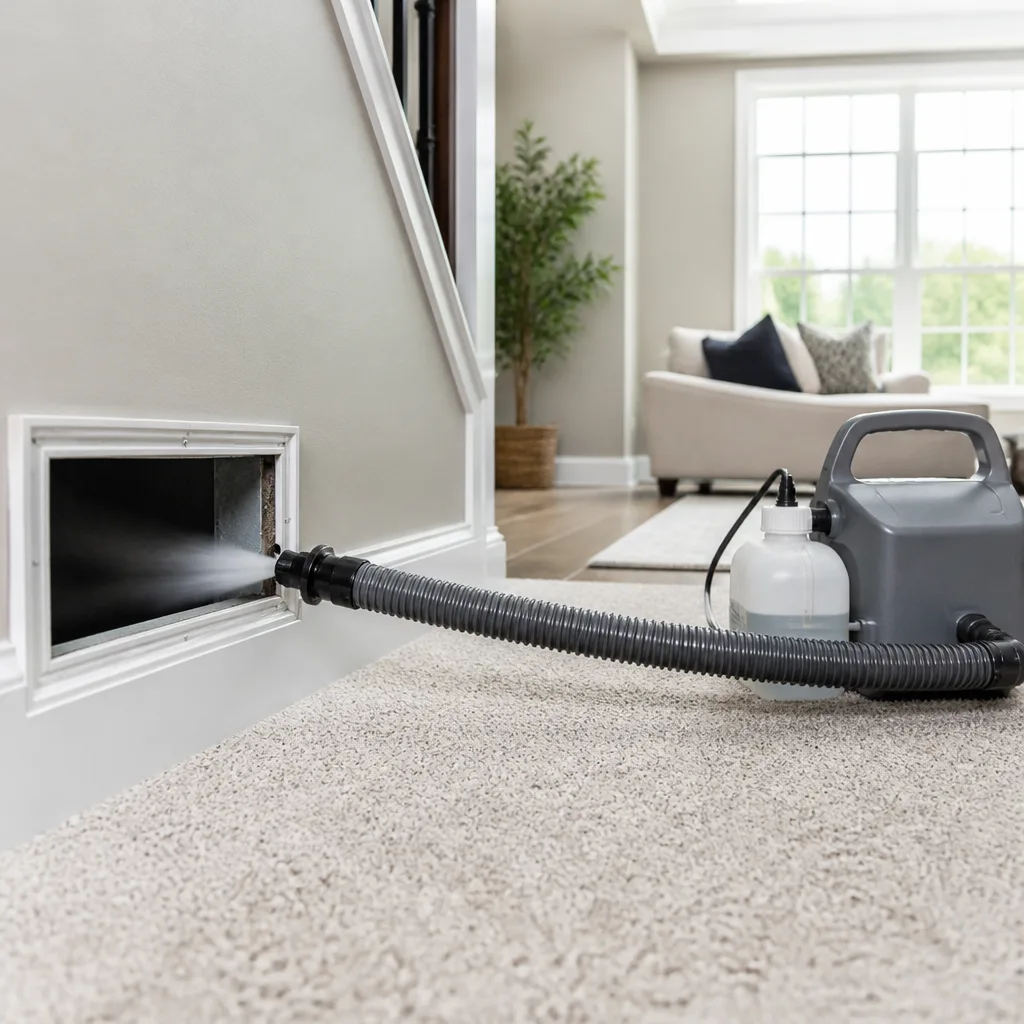 Sanitizing & deodorizing
Whole-system duct and dryer vent check with before-and-after photos - you see exactly what came out of your vents
That "$99 whole-house special" is a bait ad - the real number appears once they are in your hallway, or the "clean" is a shop-vac at the register. We photograph the inside of your ducts before and after instead.
Air Duct Cleaning Emergency Preparedness Guide for Fishers Homes
Most Fishers homeowners build their emergency plan around the visible stuff. Flashlights, a weather radio, a shutoff valve for the water main, maybe a generator for the fridge. The duct system almost never makes the list. That’s the gap. Your ducts are a direct, unsealed pathway that touches every room in the house at once, and after a flood, a kitchen fire, or a storm that opens up the exterior terminations, they can start moving smoke, humidity, and debris into living space within hours. We’ve seen how fast a running system turns a contained mess into a whole-home problem. This guide covers the shutdown protocol, how to tell surface dust from liner damage, what smoke remediation actually involves, and how to document everything for an insurance claim. By the end you’ll know exactly what to do in the first ten minutes after a home emergency in Fishers.
Quick Answer
After a flood, fire, or severe storm, shut off your HVAC system first, before you assess anything else, so the blower stops pulling contaminated air into the living space. Then document the damage with photos, check your exterior duct terminations for water and pest entry, and get a professional inspection before turning the system back on. Standard duct cleaning does not fix smoke odor or soaked liner material; those need remediation or repair, and timing matters for both.
Styles & brands we work with
- Whole-home duct cleaning
- Dryer vent cleaning
- Camera inspection
- Sanitizing & deodorizing
Table of Contents
- How Do You Shut Down Your HVAC System After a Home Emergency?
- Flood and Water Intrusion: What Happens Inside Wet Ducts?
- Fire Smoke in Ductwork: Why It’s Not a Standard Cleaning Job
- Storm Damage, Exterior Terminations, and Pest Entry
- Surface Dust or Liner Damage? How to Tell the Difference
- What Documentation Do You Need for an Insurance Claim?
- Fishers Weather Patterns and Why Duct Resilience Matters Here
- Building Duct Readiness Into Your Emergency Plan
How Do You Shut Down Your HVAC System After a Home Emergency?
The single most important step after a basement flood, a fire, or a storm that breaches your exterior walls: turn the HVAC system off. Not down, off. The blower in a running system creates negative pressure in the return ducts and positive pressure on the supply side. That pressure differential is exactly what moves humid basement air, smoke residue, and fine debris into bedrooms and living areas. Shutting the system down removes the engine behind that redistribution.
Here’s the sequence we recommend, and it applies whether the emergency was water, fire, or wind:
- Turn the thermostat to OFF. Not “fan on,” not a setpoint change. Off. This stops the blower from running.
- Kill power at the air handler or furnace breaker. Find the breaker labeled for your furnace or air handler and switch it off. On a flooded basement, don’t stand in water to do it; have an electrician or utility worker confirm it’s safe first.
- Shut the return grilles if you have dampers on them. Most homes don’t, but if yours does, closing the returns limits what the passive system can draw in.
- Open windows on the unaffected side of the home for ventilation if the outdoor air is clean. In a fire, follow the fire department’s guidance on when it’s safe to enter.
- Photograph everything before cleanup begins. More on this in the insurance section.
What you should not do is run the fan to “dry things out.” A fan setting that runs continuously after water intrusion does exactly the wrong thing. It moves moisture-laden air through the ducts and into rooms that were flooded. Our technicians have up to 15 years of experience, and the number of homes they’ve visited where the fan was left running after a water event would surprise you. Turn it off, and leave it off until a professional has looked at the ducts.
Flood and Water Intrusion: What Happens Inside Wet Ducts?
A basement flood in a Fishers home is the most common scenario where duct contamination goes unnoticed. If your return ducts run through or near the flooded area, and the system keeps running, humid, contaminated air starts cycling into the living space within hours. If the system is off, the problem is contained but not solved: the ducts are still wet, and wet duct interiors are a problem that gets worse with time, not one that dries out on its own.
What actually happens inside a wet duct:
- Liner material absorbs water. Many flexible and insulated duct interiors have a fiberglass or foil-faced liner. Once water saturates that liner, it holds moisture in a way the smooth metal duct wall does not.
- Metal duct sections can corrode. Galvanized steel that stays damp develops surface oxidation that roughens the interior and traps dust.
- Organic material in the ducts feeds microbial growth. Dust, pet hair, and construction debris become a food source when moisture is added.
- Joints and seams loosen. Water intrusion stresses taped or mastic-sealed joints, and a loosened joint leaks air into unconditioned space.
A standard cleaning does not fix a soaked liner. Cleaning removes the contamination that sits on surfaces; it doesn’t dry out wet material or restore a compromised vapor barrier. This is where air duct repair enters the picture, and it’s the reason our scope includes it. When a duct’s liner or insulation has taken on water and can’t be brought back into service, the fix is replacement of the affected run, not another pass with a vacuum.
In Fishers, the practical risk is highest in older homes where the ductwork runs through the crawl space or under the slab, and in any home where the air handler sits in a basement. The drywall and carpet dry out visibly in a few days. The ducts don’t announce themselves.
Fire Smoke in Ductwork: Why It’s Not a Standard Cleaning Job
Here’s the distinction that matters most after a house fire: smoke remediation in ductwork is not duct cleaning. They use different equipment, different chemistry, and different timelines. A standard cleaning uses mechanical agitation and negative pressure to remove surface contamination. Smoke remediation has to address odor molecules that have bonded to duct surfaces, contaminated liner, and in severe cases, the combustion byproducts that have become physically embedded in porous material.
Smoke travels the same way your conditioned air does. During a fire, the pressure difference between the hot fire zone and the rest of the home pushes smoke into returns, up through the air handler, and into supply runs. Even a fire confined to one room leaves smoke residue distributed through the duct system. The residue is sticky, and it holds odor. It doesn’t just sit on the surface; it attaches.
What smoke remediation in ducts typically involves:
- Inspection with a scope to determine how far the smoke traveled and which runs are affected.
- Containment, so dislodging the residue doesn’t redistribute it into rooms that were already cleaned by restoration crews. This is where on-site negative-air filtration matters. We use Abatement Technologies filtration equipment during smoke jobs for exactly this reason.
- Mechanical cleaning of affected runs using brush systems and HEPA vacuum equipment. For heavy residue, agitation has to be thorough enough to lift the bonded material without abrading the duct wall.
- Assessment of liner condition. If the liner is saturated with smoke residue, no amount of cleaning brings the odor out of it. Replacement is the only reliable answer.
- Odor verification once the system is turned back on. Smoke odor is often strongest the first time the system runs after cleaning, and if it returns, the source wasn’t fully addressed.
Timing is the practical lever here. Smoke residue sets up over time. The faster the ducts are inspected and cleaned after a fire, the more of the residue can be removed rather than sealed in. If you wait weeks while the restoration of the rest of the house is completed, the residue has hardened, and the job becomes harder and less complete. Have the ducts looked at as soon as the fire department and your insurer clear the home for access.
On the equipment side, this is why professional-grade tools matter. Our air duct cleaning work uses Rotobrush brush systems and Nikro HEPA vacuum equipment because consumer-grade vacuums and generic shop vacuums don’t develop the airflow or filtration to handle post-fire residue. They spread it.
Storm Damage, Exterior Terminations, and Pest Entry
Indiana storm seasons bring wind, hail, and driven rain, and the exterior duct terminations are a soft spot most homeowners don’t think about. Those are the points where ductwork meets the outside world, typically in a foundation or crawl space wall, an attic wall, or the roof. When a storm damages a termination, the duct system becomes an open door.
Two things follow, often in the same week. First, water enters through the damaged termination, and the affected run takes on moisture. Second, the opening gives mice, squirrels, and insects a direct route into the duct system and from there into living space. Rodent entry into ductwork is more than an unpleasant surprise; the droppings and nesting material contaminate the run, and the breach itself is an air-loss point that drags down system efficiency.
What to check after a storm:
- Foundation and crawl space wall penetrations, for cracked or displaced collars and loose flashing.
- Attic terminations, if you can safely view them from the attic floor without climbing on the roof. Never walk a wet roof to check.
- Exterior wall vents for the dryer, which are part of the same storm-driven intrusion problem. Our dryer vent cleaning work routinely identifies damaged exterior hoods and flaps.
- Return grilles inside the home, for signs of debris or droppings that suggest the run has been compromised.
Documenting the breach matters as much as fixing it. Take photos of the damaged termination, the visible debris in the duct, any droppings or nesting material, and the date each observation was made. Your insurer will want to know when the damage occurred and whether it’s tied to a covered event. A professional inspection report that describes the condition of the termination and the affected run gives the claim a factual foundation that a photo of a bent vent cover doesn’t.
Where pest entry is the issue, the repair scope includes sealing the termination properly and restoring the run’s integrity, which is exactly the kind of structural work air duct repair covers. Cleaning alone doesn’t fix the open door.
Surface Dust or Liner Damage? How to Tell the Difference
Not every post-emergency duct problem is the same severity. After a storm or a water intrusion event, the question that determines the scope of the fix is whether the contamination is sitting on the duct surface or has worked into the material itself. This is the difference between a cleaning and a repair, and it’s the single most common point where budget quotes go sideways.
Some indicators that point toward surface contamination, treatable with cleaning:
- Dust and debris visible at the supply registers and return grilles, with no apparent moisture.
- No odor when the system runs.
- Flexible or rigid duct visible from the crawl or attic showing dry, intact liner.
Indicators that suggest the liner has taken on damage and cleaning alone won’t resolve it:
- Visible water staining or a damp feel to the liner material.
- Persistent musty odor each time the system runs, regardless of cleaning.
- Liner that has begun to peel, delaminate, or separate from the duct wall.
- Loose joints or seams that leak air into unconditioned space, especially where the run crosses a wall.
- Pest contamination in the liner, not just on the metal surface.
The reliable check is a professional inspection with a scope. Our technicians use a camera to look into the run before recommending a scope of work, because guessing at the condition from the register grille tells you almost nothing. If the duct is cleanable, we clean it. If the liner is beyond cleaning, the honest answer is replacement of the affected run, and that’s air duct repair work, not cleaning. We repair what others only clean, because a soaked or compromised run that gets vacuumed and left in service stays a problem.
What Documentation Do You Need for an Insurance Claim?
Insurers decide duct-related claims on documentation. Not on the size of the invoice, not on how bad the damage looked, but on whether the file tells a coherent story about what happened, what was affected, and what it takes to fix it. The documentation you collect in the first 48 hours determines how smooth the claim runs.
What to gather for a claim involving duct system damage:
- Photographs of the source event. The flooded basement, the burned room, the damaged exterior termination. Before cleanup.
- Photographs of the duct condition, at the registers and grilles, and any visible ductwork in the crawl space or attic, before anything is touched.
- Date and time stamps for each photo. Time matters for the claim timeline, and for establishing when the damage occurred relative to the covered event.
- A description of what the system was doing when you found the damage. Was it running? Had it short-cycled? Was it off?
- Records of any contractor work already done for the emergency itself, e.g. water extraction or fire restoration. Your duct claim is often adjudicated alongside those.
- A professional inspection report describing the condition of the ducts, the affected runs, the type of contamination, and whether the fix is cleaning, repair, or replacement.
- Before-and-after photographs of the duct work itself, once the remediation is underway or complete. This is where the contractor’s own documentation supports the claim and shows the work was actually done.
We photograph the ducts before and after every job we do. On an insurance file, those photos do double duty: they support your claim and they let you verify that the work described in the invoice is the work that was actually performed. There’s no reason for a duct cleaning invoice you can’t match to a photo.
A roofing or water-damage contractor’s report is useful, but it doesn’t describe duct condition. A duct-specific inspection fills that gap, and most insurers won’t reimburse duct replacement based on a general contractor’s summary alone.
Fishers Weather Patterns and Why Duct Resilience Matters Here
Central Indiana’s weather puts ductwork through more than most homeowners realize. The summers are humid, and the winters are cold enough that condensation forms on duct surfaces any time warm indoor air meets a cold duct section in an unconditioned space. Fishers homes with ductwork in the crawl space or in an attic that sees temperature swings get both extremes: summer humidity loading, and winter condensation that keeps the liner damp for weeks at a time.
Spring and early summer also bring the wind and hail events that damage exterior terminations. The pattern is consistent: a storm damages a termination, water gets in over the following weeks, and by the time the homeowner notices a musty smell in the living room, the liner has been damp for a month. This is why we treat duct inspection as a seasonal habit rather than a once-a-decade project. After a major storm, check the terminations. Before the heating season, check the attic runs for condensation damage.
Indoor humidity in an Indiana summer sits high enough that a duct system with a compromised vapor barrier pulls moisture out of the air year-round. That’s the setup for the musty smell you can’t quite place, the allergy symptoms that flare in one room and not another, and the energy bills that creep up without an obvious cause. Duct condition interacts directly with whole-home air quality equipment, which is why our technicians are trained on Honeywell and Aprilaire IAQ systems; we can see how a compromised duct is undermining the equipment it’s connected to, and vice versa. If your Fishers home has an air quality system in place, understanding how it interacts with duct condition is part of getting the system back to spec after an emergency.
Fishers’ housing mix adds a layer. The older homes in the original core have duct systems that in many cases have never been professionally serviced, and their runs often run through spaces that get damp. Newer construction in the surrounding neighborhoods has tighter building envelopes, which means less natural ventilation to carry away what the ducts are emitting. Same duct problem, different symptom depending on the house. Our local Fishers page covers the specific patterns we see across the city’s housing stock.
Building Duct Readiness Into Your Emergency Plan
The good news is that duct readiness is not expensive or elaborate. It’s a handful of habits and a few pieces of information kept where you can find them under stress.
What your emergency plan should include for the duct system:
- The location of your air handler or furnace breaker. Write it down. In a flooded basement, you won’t want to go hunting for it.
- A note on the thermostat explaining that the correct setting after an emergency is OFF, not fan-on. If you have family members or a house-sitter who might not know, put it on a card near the thermostat.
- The location of your exterior duct terminations, for a post-storm check. Note the approximate location from inside the crawl space or attic.
- A photo of your ductwork before any emergency happens, taken at the registers and any visible crawl space runs. A baseline photo makes damage documentation easier and forecloses any argument about preexisting condition.
- The number of a duct specialist, saved in your phone, so you are not making vendor decisions under pressure while your insurer waits.
The other habit that pays off is a periodic inspection. Once every few years, or after any major storm or water event, have the ducts looked at. Dust buildup, minor liner wear, and early moisture damage are all cheap to address when they’re small. They get expensive when the system has been running for years in a degraded state.
And that’s before we get to the dryer vent, which deserves its own place in the emergency plan. Dryer vent cleaning addresses a fire-safety risk that federal fire statistics have documented as a documented residential fire cause, not just a maintenance checkbox. A clogged dryer vent is an ignition pathway. If your dryer vent was last cleaned before you can remember, it’s a hazard in your emergency plan, not a suggestion. Our dryer vent work falls under the same three-service scope, with the same equipment standards.
Containment first is the operating principle that runs through all of it. The difference between a duct emergency that stays contained and one that spreads through the home is almost always the first ten minutes of response, and the difference between a cleaning company and a duct specialist is whether the response goes past the vacuum when the situation calls for repair.
Common Mistakes to Avoid
- Leaving the HVAC running after a water event to “dry things out.” The blower doesn’t dry ducts, it moves contaminated air through the home. Turn the system off at the thermostat and the breaker.
- Assuming a standard cleaning will fix a smoke odor. Smoke remediation is a different scope of work with different equipment and a different timeline. A standard vacuum pass on a smoke-damaged run leaves the bonded residue in place and the odor returns.
- Waiting weeks to inspect after a fire because the rest of the restoration is still underway. Smoke residue hardens over time, and the later the inspection, the less of it can be removed.
- Skipping the exterior termination check after a storm. Water damage and pest entry both start at the termination. A five-minute check from inside the crawl space or attic catches the problem before it becomes a duct replacement.
- Cleaning a duct with a severely compromised liner. Vacuuming a soaked or delaminated liner doesn’t restore it and can make it worse. If the liner is beyond service, the honest fix is replacement of that run, not another cleaning.
- Accepting a duct cleaning quote with no inspection. A quote given before anyone has looked inside the ducts is a number, not an estimate of your situation. In our experience that’s where the bait-and-switch problem in this industry starts.
- Not photographing the ducts before any cleanup begins. Insurance claims turn on documentation, and the photos you didn’t take in the first 48 hours are photos you can’t recover.
See the difference
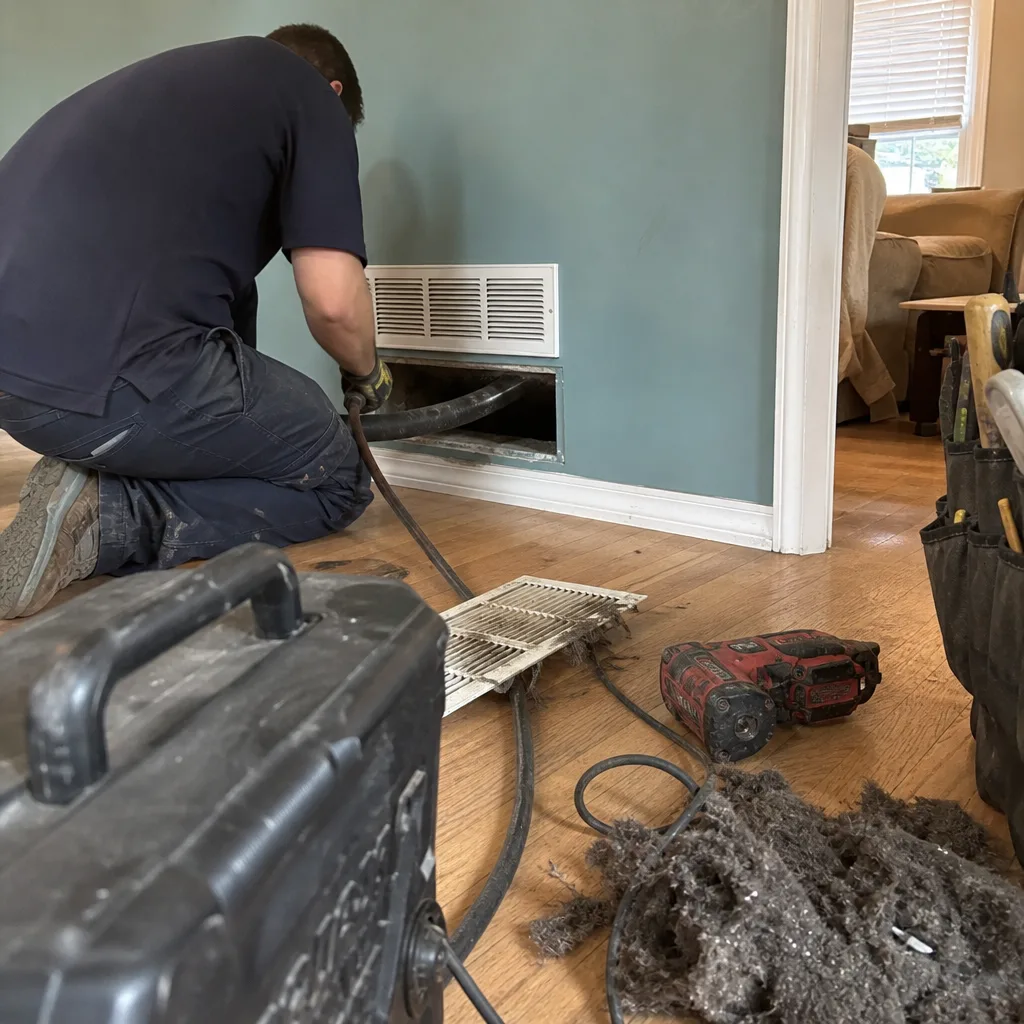 Before
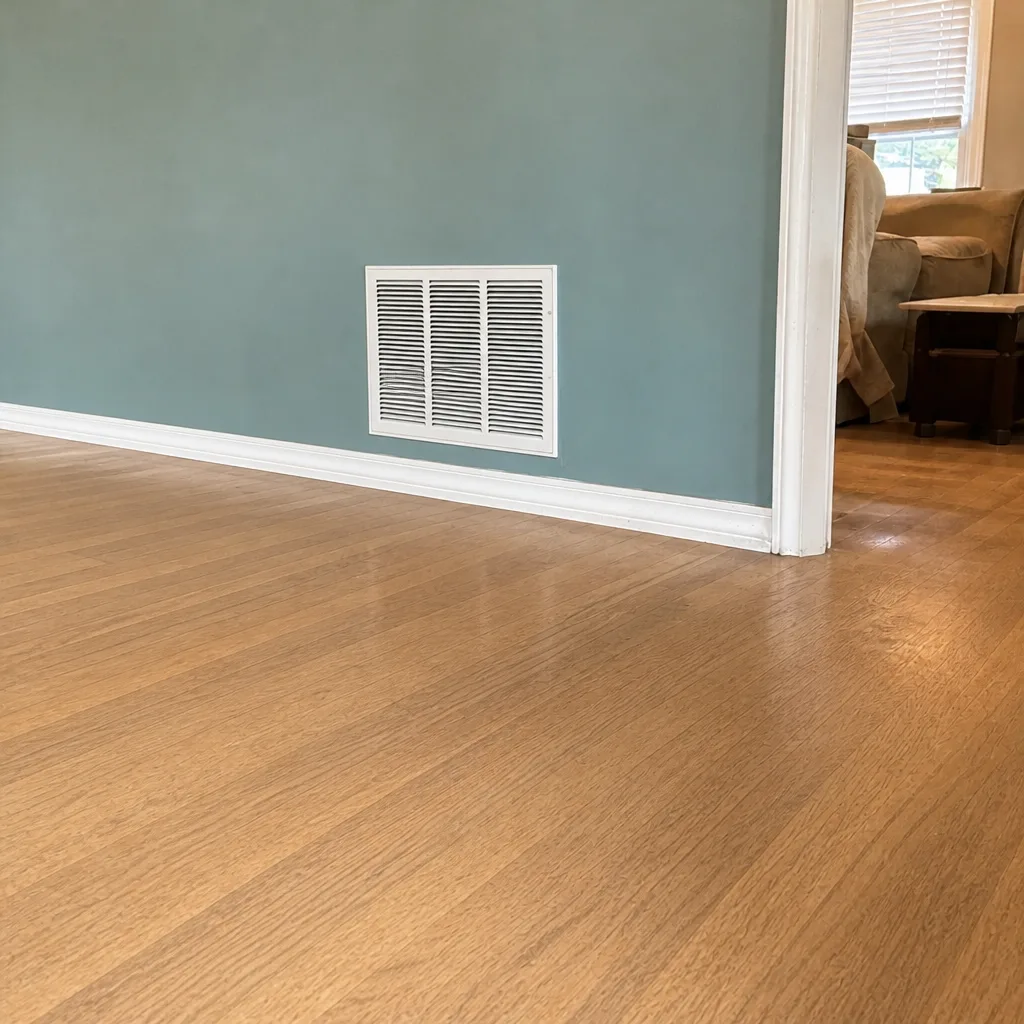 After
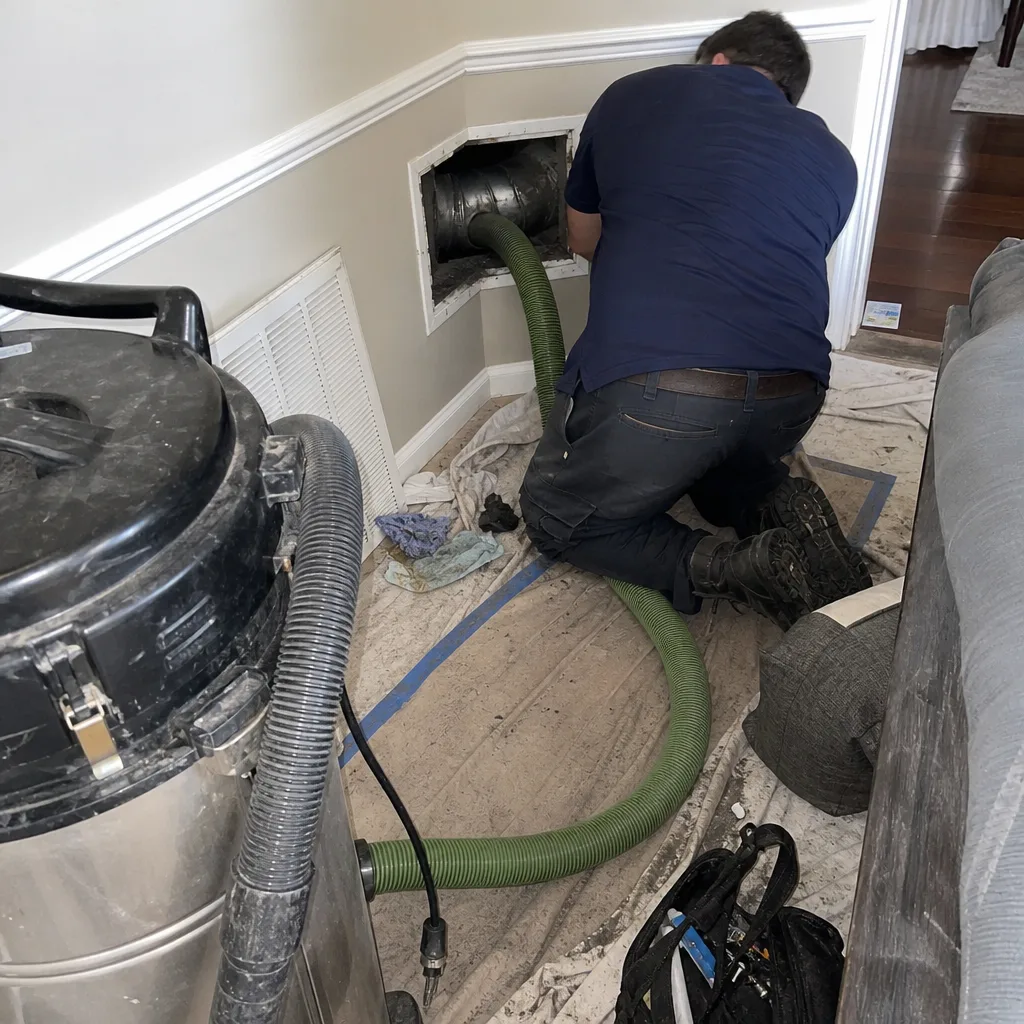 Before
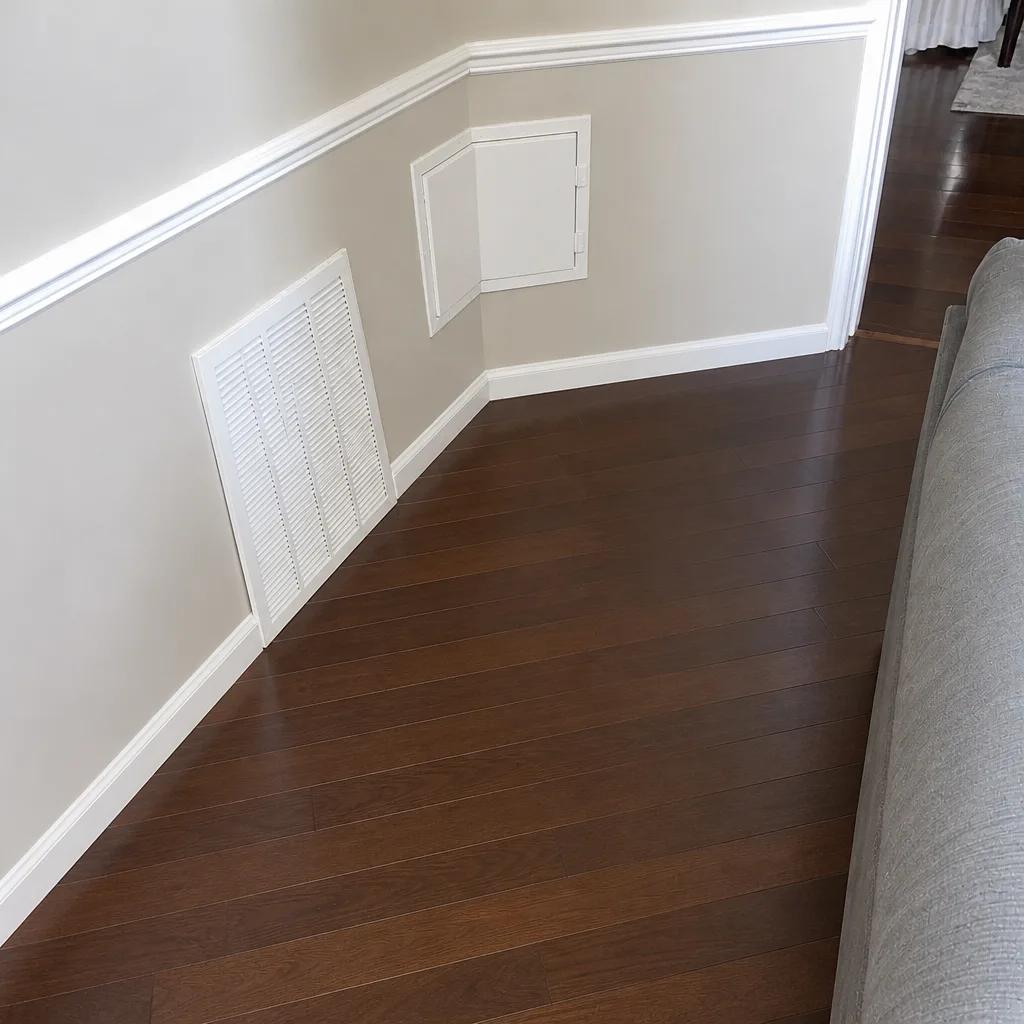 After
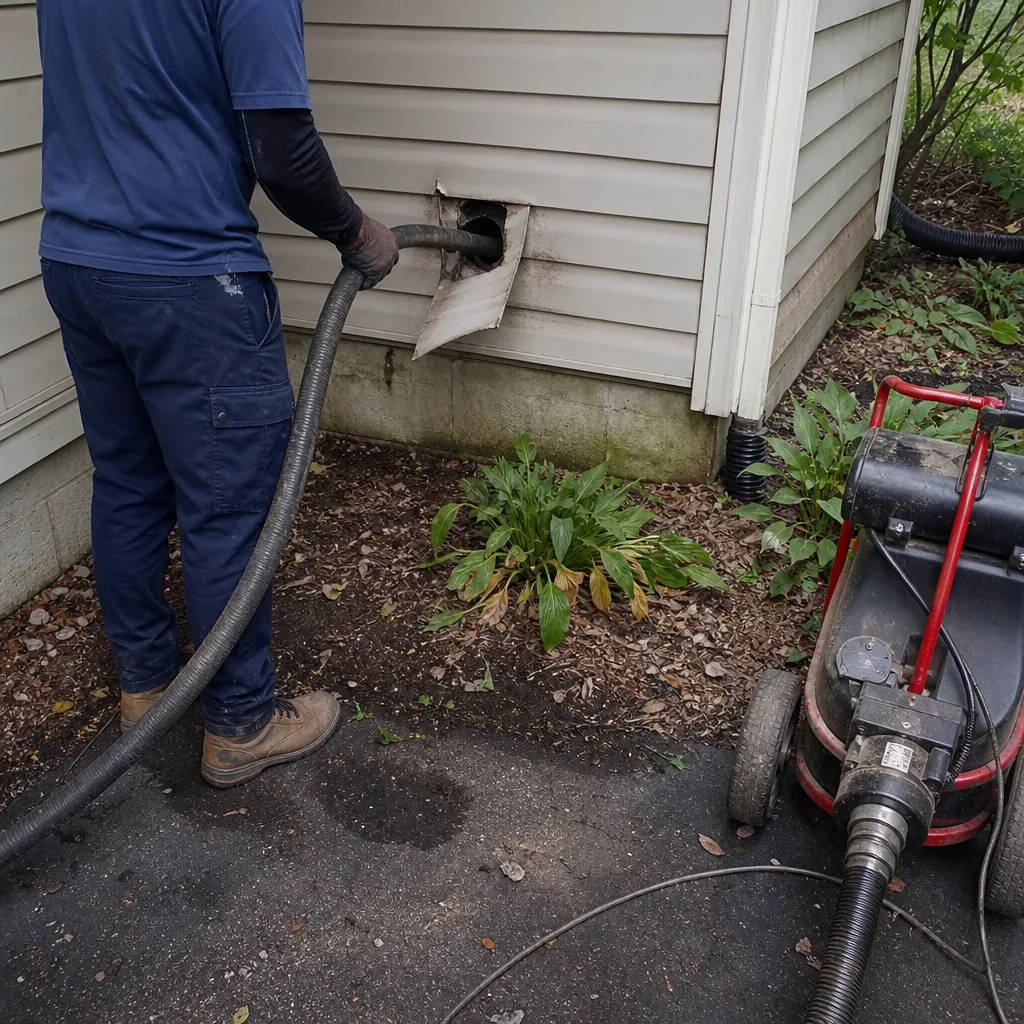 Before
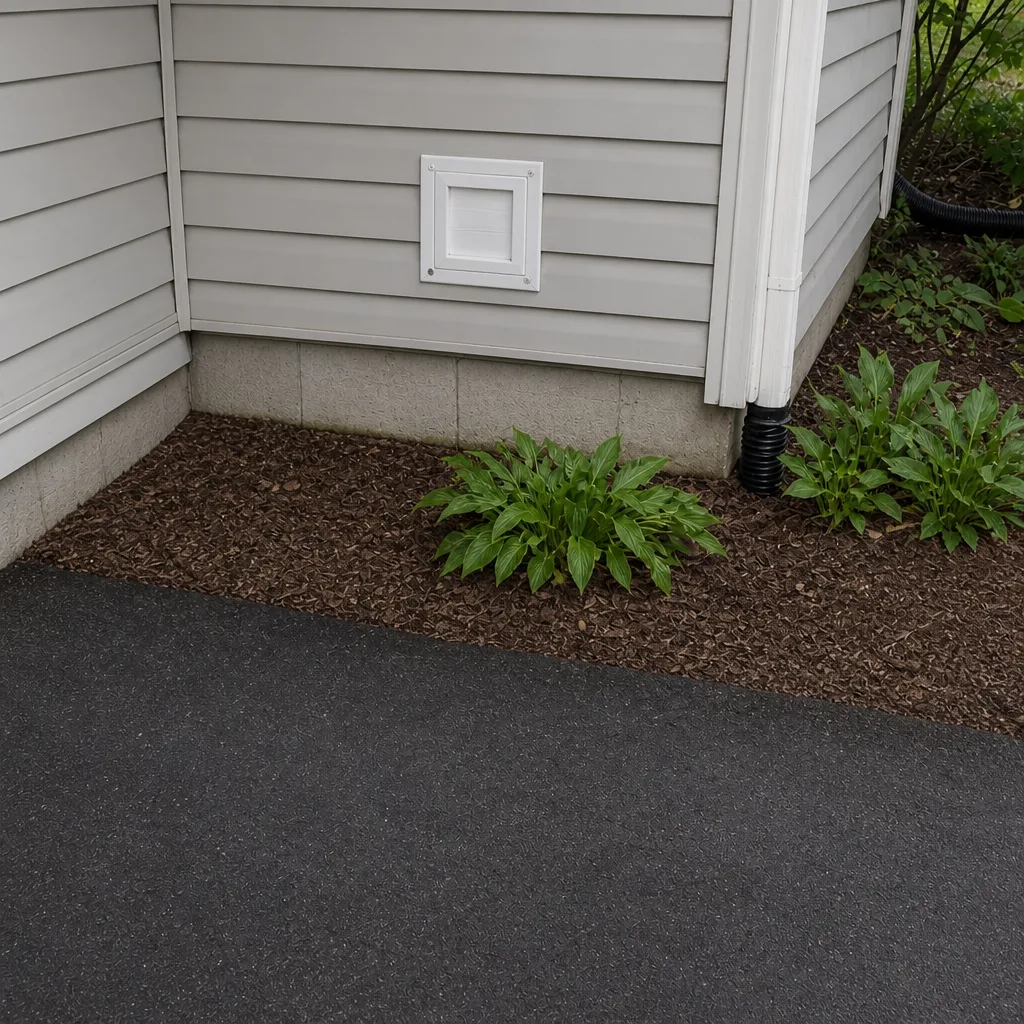 After
When to Call a Professional
Some duct conditions are housekeeping; others need a specialist. Call us when any of the following is true:
- Your home has had a basement flood, a fire, or a storm-driven intrusion that affected the duct system, and the system has been running since.
- You smell a persistent musty odor every time the system runs, or a smoke odor that returns after a cleaning.
- You found water staining or damp liner material in any visible duct run.
- You have identified pest entry through an exterior termination, or found droppings around a register.
- You can see loose joints, separated liner, or condensation damage in the crawl space or attic runs.
Duct Cleaning Fishers offers free estimates, and gives a written scope of work before anything begins, with one flat price agreed in advance and before-and-after photos of your own ducts. Call (844) 320-6508 when you need a duct specialist in Fishers. We answer 24/7. Fast dispatch from 7am to 7pm, Sunday through Friday.
Frequently Asked Questions
Typical air duct cleaning for a whole home falls in a broad range driven by the number of runs, the amount of contamination, and whether repair work is needed; we give a written estimate after inspection so the price reflects your system, not a headline number. Be cautious of quotes that lock in a price before anyone has looked inside the ducts. Call (844) 320-6508 for an exact quote; estimates are free.
Cheap quotes typically come from a per-vent figure with no inspection, no containment step, and no scope of work that would address a compromised liner. Once the technician is on site, the invoice grows. Our approach is one flat price per system, agreed before work starts, with containment via Abatement Technologies filtration during the job so debris doesn’t get redistributed through the home. Call (844) 320-6508 for an honest scope and a free estimate.
Ask for before-and-after photographs of your own ducts, taken at the registers and any accessible crawl space or attic runs. We photograph every job we do, and those photos serve double duty when a claim is involved. Ask any company you hire to document the same way. Call (844) 320-6508 with questions about how we document a job.
Most homes benefit from inspection every few years, with cleaning when the inspection finds meaningful buildup. After a flood, fire, or major storm, inspection should be immediate regardless of when the last cleaning was done. Those events change the condition inside the ducts in ways normal use does not. Call (844) 320-6508 to schedule an inspection.
Smoke remediation in ductwork can eliminate the odor when the affected runs are properly cleaned, the contaminated liner is addressed, and the work is done promptly after the fire. Standard cleaning alone usually doesn’t remove bonded smoke residue from liner material. Call (844) 320-6508 to schedule smoke assessment for your Fishers home.
Yes; it’s the single most important step. A running blower creates the pressure to pull humid, contaminated air from the affected area into the living space, and the ducts become the distribution channel. Turn the system off at the thermostat and the air handler breaker before anything else. Call (844) 320-6508 once the system is off to book an inspection.
The Bottom Line
Duct emergencies are quiet. The damage that matters isn’t the visible water line on the basement wall; it’s what’s happening inside a duct run that keeps getting air pushed through it. The response comes down to a few steps: shut the HVAC off first, document before you clean, check the exterior terminations, and get an inspection before the system runs again. Smoke damage needs remediation, not cleaning. Soaked liner needs replacement, not another vacuum pass. And a duct specialist, not a generalist, is who should assess the system after a flood, fire, or storm. Our duct cleaning team brings the equipment and the inspection discipline to handle all three. Ready when you are.
Written by the team at Duct Cleaning Fishers.