
Last updated November 16, 2026
 Whole-home duct cleaning
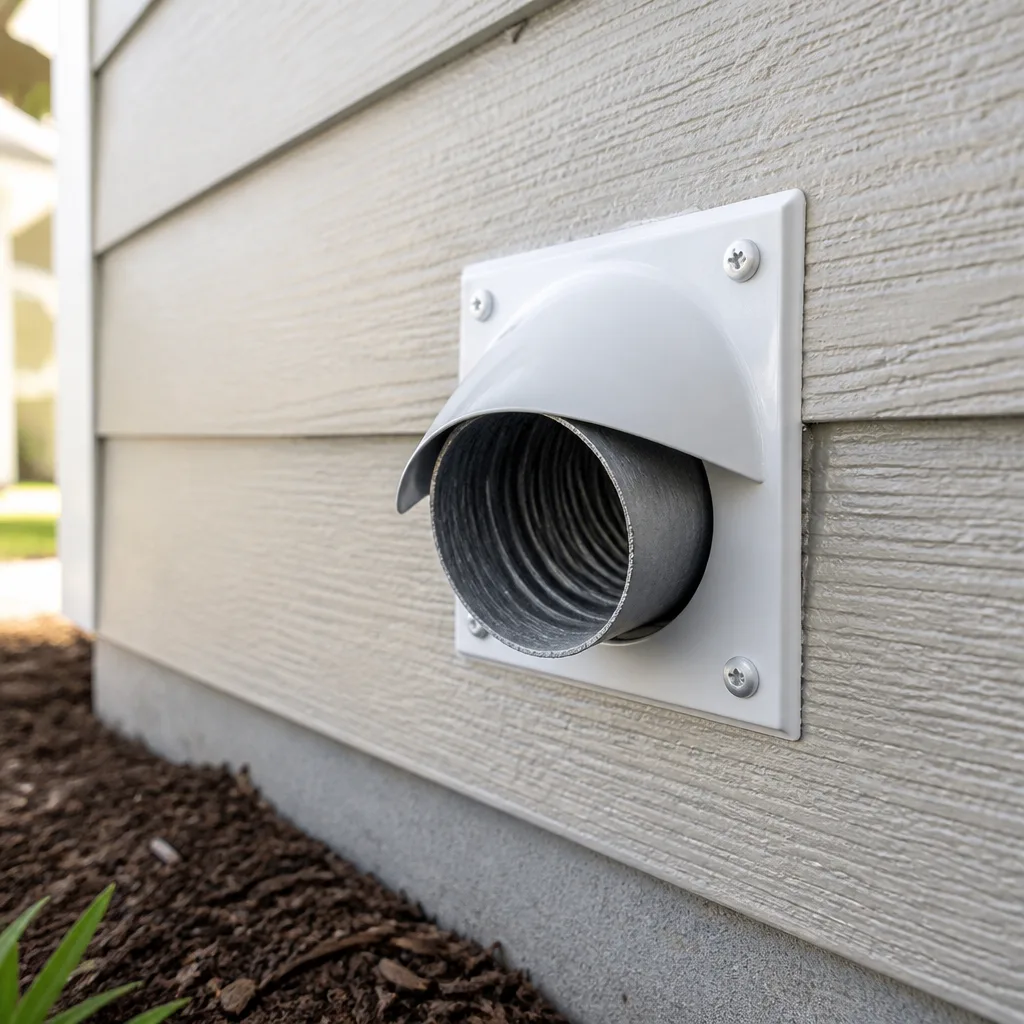 Dryer vent cleaning
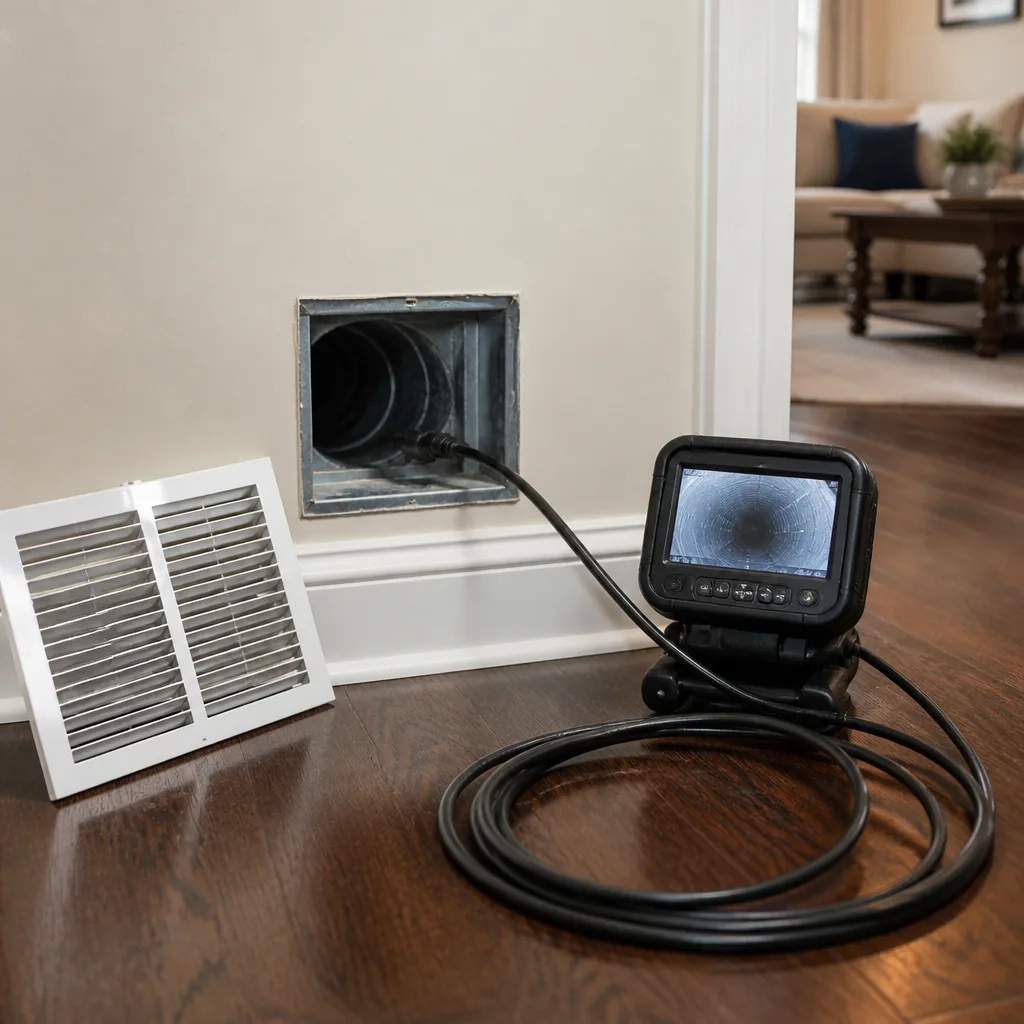 Camera inspection
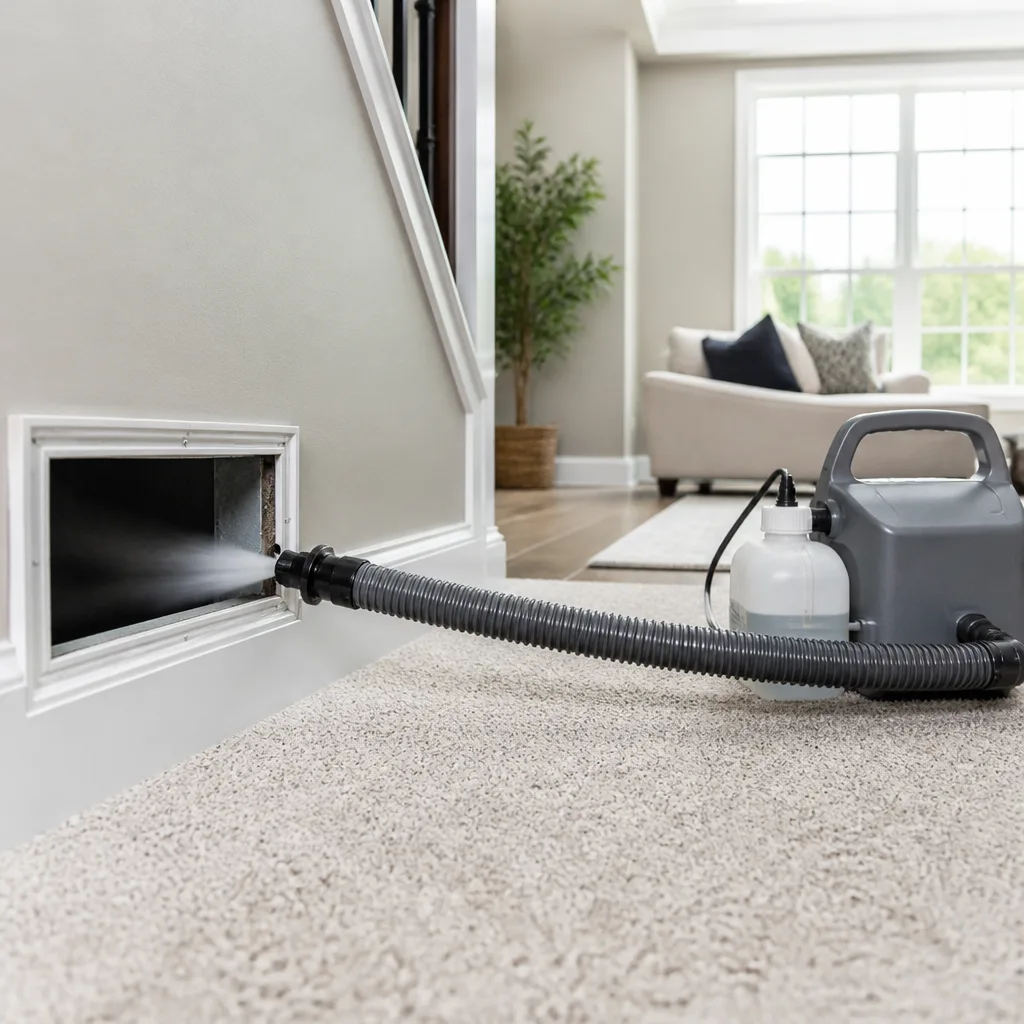 Sanitizing & deodorizing
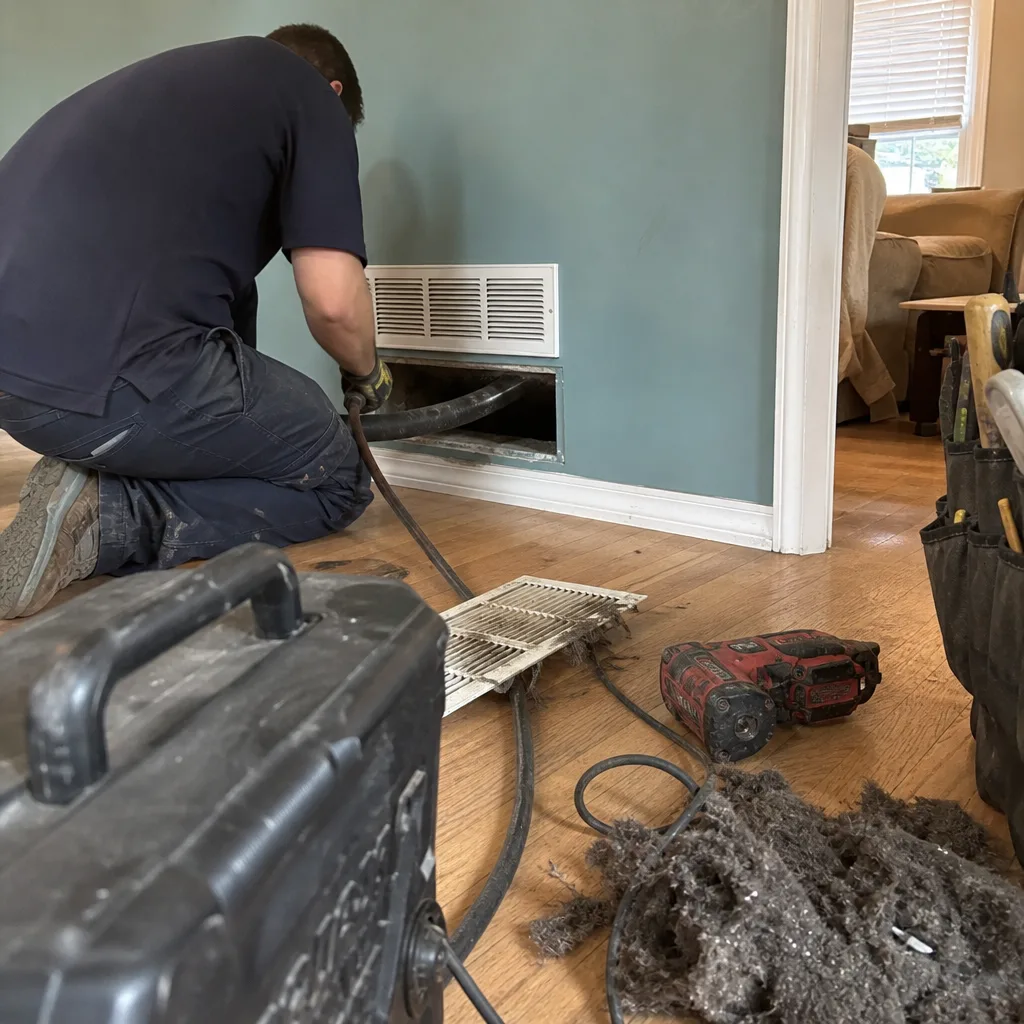
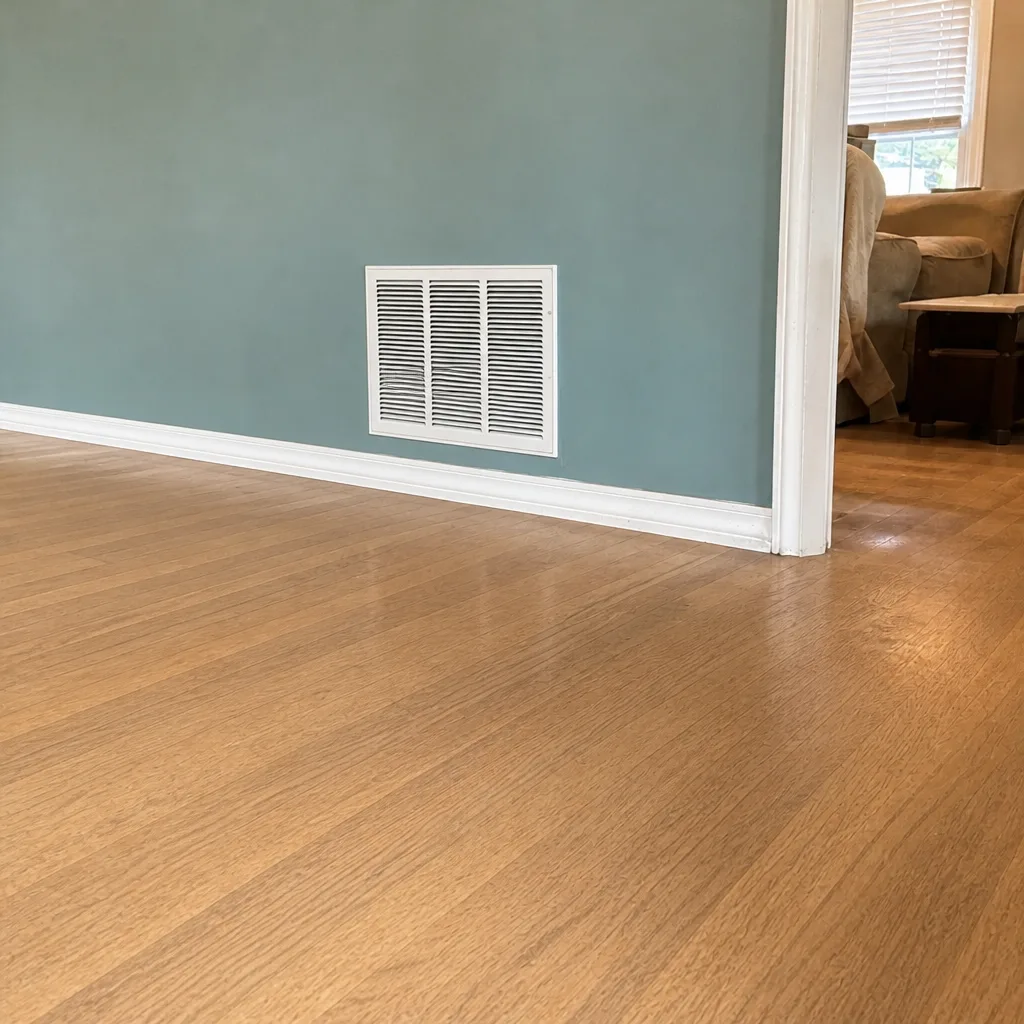
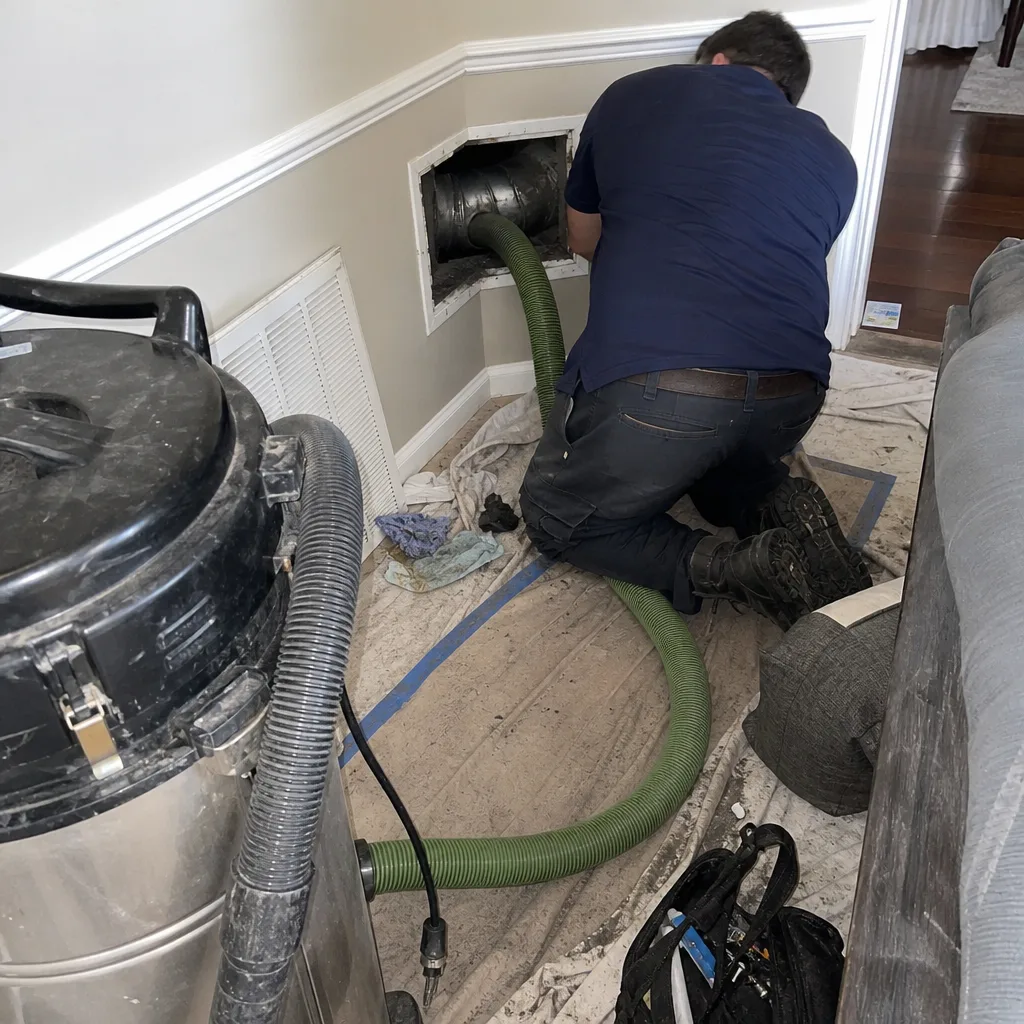
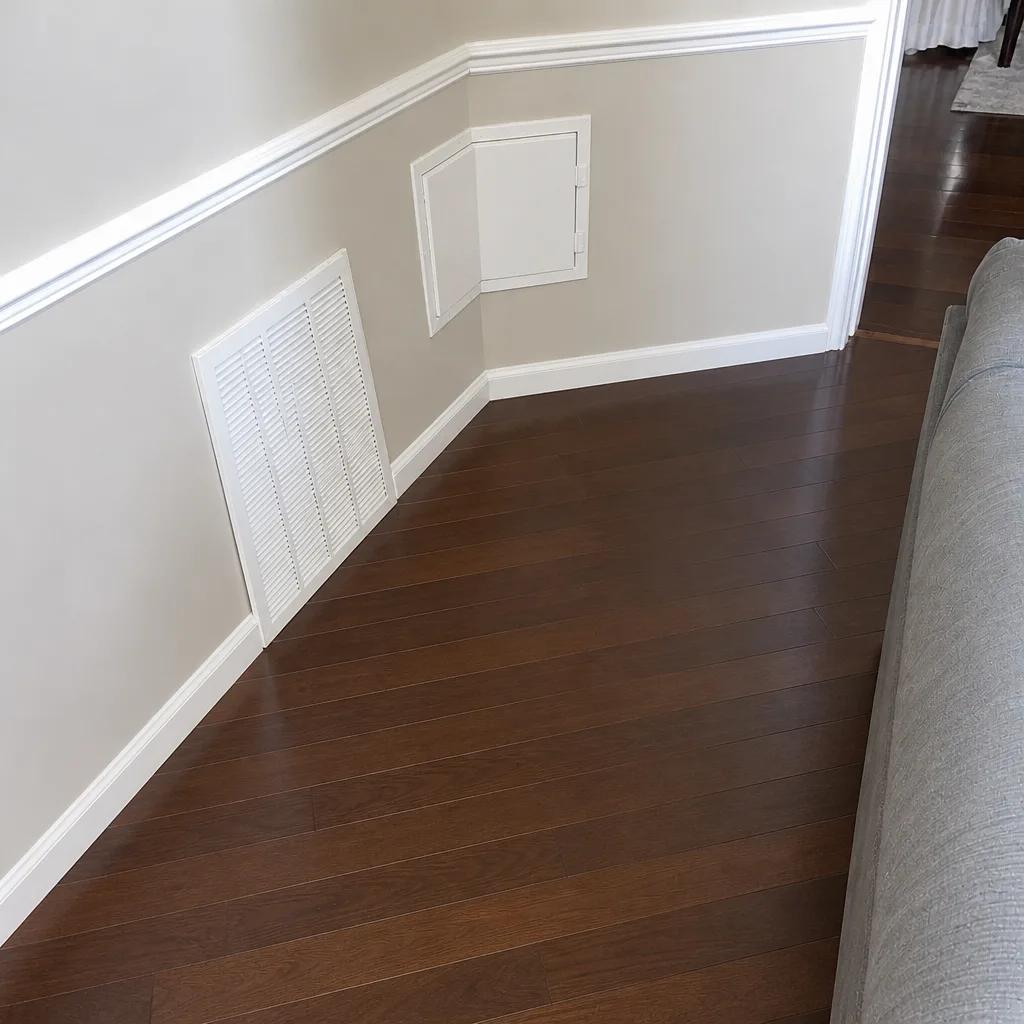
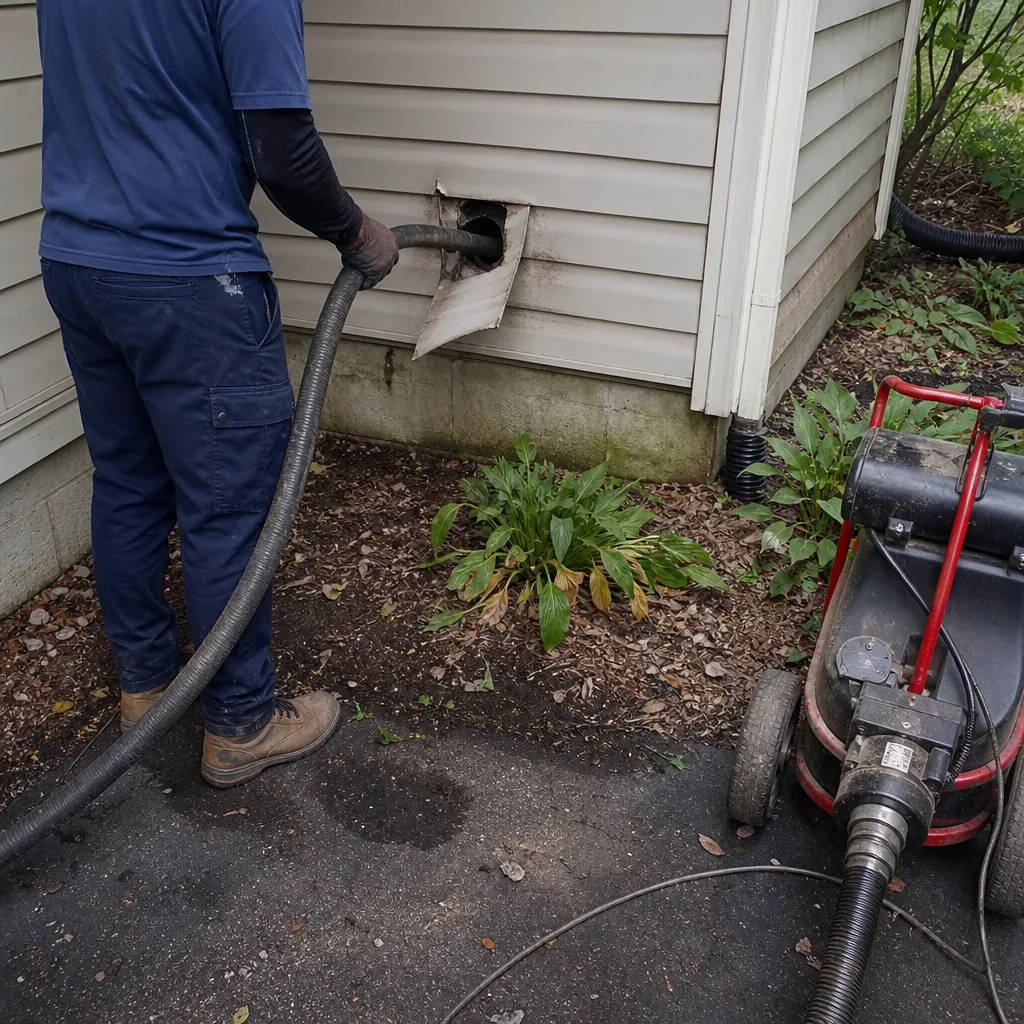
Whole-system duct and dryer vent check with before-and-after photos - you see exactly what came out of your vents
That "$99 whole-house special" is a bait ad - the real number appears once they are in your hallway, or the "clean" is a shop-vac at the register. We photograph the inside of your ducts before and after instead.
Seasonal Air Duct Cleaning Care for Fishers: Year-Round Homeowner’s Guide
Most homeowners treat duct cleaning as one box to tick once a year, usually in fall when the furnace kicks on. That single-event approach is why so many Fishers homes still have dusty registers in March and musty smells in August. Duct systems don’t face one annual problem. They face four different seasonal ones. Hamilton County ranks among Indiana’s highest for tree pollen concentration each April, and that pollen doesn’t stay in the outdoor air. It rides into return ducts and works into duct liner within the first two weeks of peak season. Spring brings pollen. Summer brings humidity and mold risk. Fall brings leaf debris. Winter brings static and pressure shifts from sealed homes. This guide walks you through each season in Fishers, month by month, and separates what you can handle yourself from what needs professional equipment.
Quick Answer
Seasonal air duct care in Fishers works best as four targeted actions, not one annual cleaning. Clean or inspect in early spring before pollen peaks, address humidity and any musty odors in August, clear outdoor intake screens before leaf drop in October, and check filter and static issues in January. A single professional cleaning stays useful for years, but the seasonal checkpoints around it determine whether your ducts stay clean or degrade between visits.
Styles & brands we work with
- Whole-home duct cleaning
- Dryer vent cleaning
- Camera inspection
- Sanitizing & deodorizing
Table of Contents
- Why Fishers Ducts Face Four Different Seasonal Problems
- Your Month-by-Month Duct Care Calendar for Fishers
- Spring in Fishers: Pollen Infiltration and Return Ducts
- Late Summer: Indiana’s Highest-Risk Window for Duct Mold
- Fall: Clearing Outdoor Intakes Before Leaf Drop
- Winter: Static, Sealed Homes, and Shifting Debris
- What You Can Do Yourself vs. What Needs Professional Equipment
- Why Cleaning Alone Isn’t Always Enough
Why Fishers Ducts Face Four Different Seasonal Problems
Fishers sits in a climate band that delivers genuinely distinct seasonal pressures, and each one moves debris through your duct system in a different way. Treating all four as a single “annual cleaning” means you’re always solving last season’s problem. A duct system cleaned in October and never looked at again enters spring with a clean interior but no protection against the pollen load that arrives in April.
Here’s what actually changes through the year in a typical Fishers home:
- Spring (March through May): Tree pollen peaks across Hamilton County, and open windows plus return-air draw pull fine particulates into the system. This is the season when duct liner absorbs the most material it can’t easily release.
- Summer (June through August): Outdoor humidity climbs, the air conditioner runs constantly, and any moisture that reaches the duct interior becomes a colonization surface. August is the peak-risk month because humidity has had weeks to accumulate inside the system.
- Fall (September through November): Leaf drop around Fishers’ heavily wooded neighborhoods sends debris toward outdoor intake screens. Once it packs against a screen or works into a fresh-air intake, airflow drops and the system starts pulling from dirtier sources.
- Winter (December through February): Homes seal up, the furnace runs dry, and static pressure inside the duct changes debris distribution. Fine dust that settled in the summer starts moving again.
The point is simple. Duct condition isn’t static. It responds to what the season sends at it, and Fishers sends four very different things across the year. A homeowner who understands that sequence can time inspections and cleanings to match the actual risk instead of guessing.
This guide is written from our perspective as a duct and airflow specialist working in Fishers, so the seasonal framing reflects what we see in local homes. Our technicians have up to 15 years of experience with duct systems in this climate, and the patterns below repeat across neighborhoods from Saxony to Gray Eagle.
Your Month-by-Month Duct Care Calendar for Fishers
Below is a calendar built around Fishers’ actual seasonal pressures, not generic Midwest advice. Each entry tells you what to do and why it matters in this climate.
- January: Check filter condition and listen for airflow changes. Dry winter air and a sealed house mean static buildup that can move settled dust. Replace the filter if it’s loaded.
- February: Note any rooms that feel colder than others. Uneven heating in a sealed Fishers home often points to duct leakage rather than a furnace problem.
- March: Before pollen peaks, inspect return registers for visible dust and check that outdoor intake screens are clear of winter debris.
- April: Peak pollen month in Hamilton County. Keep windows closed during high-count days and avoid running the system with heavily loaded filters that can’t capture fine pollen.
- May: If you noticed musty odors the previous summer, this is the time to schedule an inspection before humidity climbs.
- June: Confirm the air conditioner’s condensate handling is working. Moisture near the air handler is the first step toward duct mold.
- July: Watch for humidity inside the home climbing above comfortable levels. Homes without dehumidification are building the conditions for August problems.
- August: Highest-risk month for mold colonization inside ducts in Indiana homes. Any musty smell is a signal to inspect, not to wait.
- September: Clear outdoor intake screens before leaf drop begins in Fishers’ wooded neighborhoods.
- October: Leaf drop peaks. Check screens weekly and clear any packed debris.
- November: Before the heating season starts, replace the filter and confirm no visible debris is sitting on registers.
- December: Listen for new noise at registers as the furnace runs. Static and pressure shifts can reveal debris movement.
This isn’t a schedule for cleaning every month. It’s a schedule for checking. Actual professional cleaning typically happens every few years for a well-maintained Fishers home, with the calendar above catching problems before they escalate.
Spring in Fishers: Pollen Infiltration and Return Ducts
Hamilton County ranks among Indiana’s highest for tree pollen concentration each April, and the reason it matters for ducts is simple. Pollen doesn’t stay in the outdoor air. It enters your home through windows, doors, and every return vent the system pulls through. Return ducts are the low-pressure side of the system, which means they’re the entry point for whatever is airborne in the room.
Once pollen reaches duct liner, it doesn’t just sit there. It embeds. Fine pollen grains work into the porous surface of interior duct insulation, and ordinary airflow won’t release them. When the system runs again in summer, it re-suspends a portion of what embedded in April. That’s why some Fishers homes smell faintly of old air conditioning in June even though nothing obvious is wrong.
What to focus on during spring:
- Keep windows closed during the highest pollen days in April and May. This reduces the load hitting your return vents.
- Use a filter rated for fine particulates during pollen season, and change it more often than usual if it loads quickly.
- Inspect return registers in bedrooms and hallways. A visible dust film is a sign the return side is collecting pollen.
- If allergies are noticeably worse inside than outside, that’s a signal the duct system is holding onto what it captured.
Professional air duct cleaning timed for late March or early April removes the winter’s settled debris before the pollen load arrives, giving the system a cleaner starting point. A spring cleaning also means the liner is cleaned after the heaviest dust season rather than before it.
One thing we tell Fishers homeowners every spring: cleaning during peak pollen, in the middle of April, is less effective than cleaning just before it. You want the ducts clean when the pollen starts, not after it has already settled in.
Late Summer: Indiana’s Highest-Risk Window for Duct Mold
August is the highest-risk month for mold colonization inside ducts in Indiana homes that lack dehumidification. The reason is straightforward. By August, weeks of outdoor humidity have pushed indoor moisture into every part of the home, including the duct interior. The air conditioner runs constantly, condensing water on cold coils and any cold duct surfaces, and warm humid air meets cold surfaces at every junction.
Duct mold doesn’t announce itself as mold. It shows up as a musty smell when the system runs, as allergies that get worse indoors in late summer, as visible dark spotting on register grilles or in the air handler. By the time a homeowner can smell it, colonization has usually been building for weeks.
Homes without a dehumidifier are the highest risk, and that includes a lot of Fishers homes. Air conditioning removes some humidity as a byproduct, but it doesn’t reliably hold indoor humidity low enough to prevent condensation on duct surfaces during a humid Indiana August.
Steps to reduce risk in a Fishers home:
- Keep the indoor humidity in a range that doesn’t support mold growth. A simple humidity gauge from any hardware store tells you where you stand.
- Confirm the condensate line from the air handler is draining properly. Standing water near the unit feeds the whole system.
- Change the filter when it loads. A dirty filter reduces airflow, which raises humidity in the duct interior.
- If you notice a musty smell when the system starts, have the ducts inspected rather than treated with a spray or scent product.
- Consider a whole-home dehumidifier if humidity stays elevated even with air conditioning running.
Professional inspection in August is the right call if you smell anything off. Cleaning removes the colonization surface, and our technicians also work with Honeywell and Aprilaire IAQ equipment, so we understand how a whole-home dehumidifier interacts with duct condition rather than treating ducts in isolation.
Fall: Clearing Outdoor Intakes Before Leaf Drop
Fishers is heavily wooded in many neighborhoods, and that means fall brings a specific maintenance task most homeowners forget. Outdoor intake screens and fresh-air vents collect leaf debris, and once they pack against the screen, two things happen. Airflow drops, and the system starts pulling air from dirtier sources to make up the difference.
The task itself is simple, and it belongs on your DIY list:
- Locate any outdoor intake screen or fresh-air vent installed on your home. Most are on an exterior wall near the mechanical area or on a side of the house that isn’t the front.
- Clear the screen of leaves, twigs, and any debris that has collected against it. A stiff brush or gloved hand handles most of it.
- Check the screen weekly through leaf drop, especially after windy days.
- If a screen is damaged or missing, replace it before the winter season. An open intake is an open invitation for debris and pests.
Fall is also the sensible time to schedule professional cleaning if you haven’t done it in a few years. Cleaning in October means the ducts are clean going into winter, when the furnace runs most and a sealed house circulates whatever’s inside more aggressively. The sequence in a Fishers home usually works best as a spring-before-pollen or fall-before-heating cleaning, and either one functions as the reset point for the year.
If you’re also thinking about your dryer vent this fall, that’s the right season. dryer vent cleaning addresses a documented residential fire risk, and lint accumulation is worse in fall when more laundry runs as the heating season starts. Fall is a natural time to knock both out.
Winter: Static, Sealed Homes, and Shifting Debris
Winter changes how debris moves through a Fishers duct system in ways most homeowners never think about. Homes seal up tight against the cold, the furnace runs continuously, and indoor air turns dry. All three of those combined create static pressure changes inside the duct that re-disperse fine debris that had settled the rest of the year.
The practical effect is this. Dust that sat quietly in the low-velocity parts of the duct through summer and fall starts moving again in January. That’s why some homes get visibly dustier in winter even though nothing has changed in the household. The debris was always there. Winter gave it movement.
What to watch for in a sealed Fishers home during winter:
- Registers that feel noticeably weaker than in fall can signal debris or a leak that’s been there all along.
- A static charge when you touch a register grille isn’t dangerous, but it tells you the air is very dry and moving high volumes of fine dust.
- Bedroom filters loading faster than expected usually means the return for that room is collecting more than it should.
Winter isn’t the season for a full professional cleaning in most Fishers homes, but it is the season to inspect and note. If airflow is uneven, if new noise appears at registers, or if dust returns faster than usual, schedule an inspection for spring. Cleaning in winter is possible, but the seasonal timing usually works better before pollen or before heating, not in the middle of either.
What You Can Do Yourself vs. What Needs Professional Equipment
Not every seasonal task requires a professional, and knowing the split saves you both money and time. Here’s the honest breakdown based on how the equipment actually works.
DIY-appropriate tasks
- Changing the HVAC filter on schedule and after heavy-load seasons.
- Clearing outdoor intake screens and checking them weekly during leaf drop.
- Wiping dust from register grilles and vacuuming around them with a household vacuum.
- Checking indoor humidity with a simple gauge and noting readings over time.
- Listening for airflow changes and noting which rooms are affected.
Tasks that require professional equipment
- Cleaning the interior of the duct system itself. A shop vac can’t reach past the first few feet of a register, and consumer equipment can’t agitate debris loose from duct liner without damaging the liner surface.
- Containment during cleaning. Without negative-air filtration on site, dislodged debris re-enters the rooms rather than leaving the system.
- Identifying and repairing compromised ductwork. Sealing and reconnecting duct sections requires inspecting the full run of the system, which means access and tools homeowners don’t have.
- Inspecting the interior of the duct system for moisture or colonization risk. A visual check from a register tells you nothing about what’s happening 20 feet inside the trunk line.
For the professional side of that list, we use Rotobrush brush systems and Nikro HEPA vacuum equipment, which are the standard professional tools for this work. We also deploy Abatement Technologies air filtration during the job, so debris we dislodge stays contained instead of redistributing through your home. That containment step is what separates a real cleaning from a quick surface pass, and it’s a step budget cleaning services skip.
Where we draw the line: if the seasonal task is something a homeowner can do safely with a filter, a brush, or a gauge, we’ll tell you that’s a DIY job. If the task requires reaching inside a duct system or identifying a structural problem, the equipment matters too much to improvise.
Why Cleaning Alone Isn’t Always Enough
A seasonal cleaning keeps the duct interior clean, but it can’t fix ducts that are physically compromised. That distinction matters in Fishers homes, and it’s why we offer air duct repair as a service separate from cleaning.
Ductwork fails in ways that cleaning won’t address. Sections separate at seams. Flex duct kinks or compresses at a joist. Joints that were taped decades ago lose their seal. Return plenums develop gaps where they connect to the air handler. When any of those happen, the system pulls air from unconditioned spaces – attics, crawl spaces, wall cavities – and delivers it into living areas. Cleaning that system without repairing it means the system will just re-contaminate itself.
Signs your ducts might need repair, not just cleaning:
- Rooms on one side of the house are consistently weaker than the other, regardless of season.
- You can hear whistling or rushing air at a register even when it’s fully open.
- Visible gaps at joints where duct sections meet in a basement, attic, or mechanical closet.
- Dust returns faster than expected in rooms near the air handler.
Most duct cleaning companies don’t offer repair, which means a compromised system gets cleaned and then quietly fails again. Our technicians have up to 15 years of experience identifying and sealing the structural issues cleaning alone can’t fix, and we treat that as part of the same job when the ductwork needs it.
Common Mistakes to Avoid
- Treating duct care as a single annual event. A fall cleaning leaves the system exposed to spring pollen and summer humidity with no seasonal checkpoints. Four seasonal checks keep the system in better shape than one cleaning ever will.
- Cleaning during peak pollen instead of before it. Cleaning in mid-April means pollen has already settled into the liner. Cleaning in late March gives the system a clean starting point for the pollen season.
- Ignoring a musty smell in August. Musty air in late summer is the most common signal of duct moisture issues in Fishers homes, and waiting until fall means the colonization has had weeks to spread. Inspect when you smell it, not when it gets worse.
- Forgetting outdoor intake screens through leaf drop. Fishers’ wooded neighborhoods collect debris fast in October, and a packed screen quietly cuts airflow for the whole system.
- Using a shop vac on duct interiors. Consumer vacuums can’t reach past the first registers and can damage duct liner in the process. Containment and HEPA filtration exist for a reason.
- Assuming cleaning fixes everything. If ductwork has gaps or separated joints, cleaning won’t seal them. Repair and cleaning address different problems.
- Skipping dryer vent care. Lint accumulation is a residential fire risk, and fall is the natural season to clear it before the heating season begins.
See the difference
 Before
 After
 Before
 After
 Before
 After
When to Call a Professional
Call a professional when the seasonal task requires reaching inside your duct system or when the symptoms point to a problem a filter change won’t solve. Specific cases: a persistent musty smell in late summer, visible dark spotting at registers or in the air handler, a room that’s consistently weaker than the rest of the house, a visible gap in ductwork, allergy symptoms that get worse indoors than outdoors, or a dryer that now takes two cycles to dry a normal load. Those are all signs the system needs inspection and, in most cases, professional cleaning or repair. Duct Cleaning Fishers offers free estimates in Fishers. Call (844) 320-6508. Our technicians have up to 15 years of experience with duct systems in this climate.
Frequently Asked Questions
For most Fishers homes, professional duct cleaning every three to five years is a reasonable baseline, with seasonal checks in between. The three-to-five year figure assumes normal filter maintenance and no pets with heavy shedding. Homes with significant pet hair, recent renovation dust, or a history of mold concerns may need cleaning more often. If you can’t remember the last professional cleaning, that’s usually the sign to schedule one. Call (844) 320-6508 for an exact quote – estimates are free.
Pricing depends on system size, number of vents, and whether repair is needed, so we don’t quote a per-vent figure or a teaser price. What we do is give one flat price per system, agreed before work starts, with the written estimate setting the final number. That means the price you agree to is the price you pay. Call (844) 320-6508 for an exact quote – estimates are free.
Cheap quotes usually skip containment, skip real brush agitation, and sometimes skip actually cleaning the trunk line. A cleaning without negative-air filtration redistributes debris rather than removing it. We use Abatement Technologies filtration during the job and Rotobrush equipment inside the ducts, and before-and-after photos of your own ducts show you exactly what was removed. Call (844) 320-6508 to schedule an estimate.
Ask for before-and-after photos taken inside your own duct system, not stock photos. We provide those as part of the job, and they’re the clearest way to see what changed. Call (844) 320-6508 for an exact quote – estimates are free.
Late summer, particularly August, is the highest-risk window for moisture and mold colonization inside ducts in Indiana homes without dehumidification. By August, weeks of accumulation meet the air conditioner running continuously, and any moisture inside the duct becomes a colonization surface. Spring is the highest-risk window for pollen infiltration, which peaks in Hamilton County in April. Call (844) 320-6508 if August brings a musty smell.
You can handle the DIY tasks: filters, register grilles, outdoor intake screens, and humidity checks. Cleaning the duct interior itself requires professional equipment. Consumer vacuums can’t reach past the first registers, and the containment step that stops debris from redistributing through the home requires equipment most homeowners don’t have. Call (844) 320-6508 for an exact quote – estimates are free.
Yes. Dryer vent cleaning is a core service alongside air duct cleaning and duct repair. Lint buildup in a dryer vent is a documented residential fire risk, not just an inconvenience, and fall is the natural season to clear it before heavier laundry loads in the heating season. If your dryer takes two cycles to dry a load, that’s the signal to call. Call (844) 320-6508 to schedule a dryer vent cleaning.
The Bottom Line
Fishers homeowners get the most out of their duct systems when they treat seasonal care as four checkpoints instead of one cleaning. Spring means managing the pollen load heading into Hamilton County. Summer means watching moisture before August arrives. Fall means clearing outdoor intakes before leaf drop packs them. Winter means noting how static and sealed-home pressure change airflow. Clean professionally before pollen or before heating season, repair what cleaning can’t fix, and check the dryer vent before the heating season begins. That sequence keeps a Fishers duct system working the way it should all year. Call (844) 320-6508 for a free estimate.
Duct Cleaning Fishers handles duct cleaning in Fishers as a focused duct and airflow service, with air duct cleaning, dryer vent cleaning, and air duct repair as the full scope. Professional-grade equipment, containment first, and a clear seasonal understanding of how this climate treats a duct system.
Written by the team at Duct Cleaning Fishers.