
Last updated November 16, 2026
 Whole-home duct cleaning
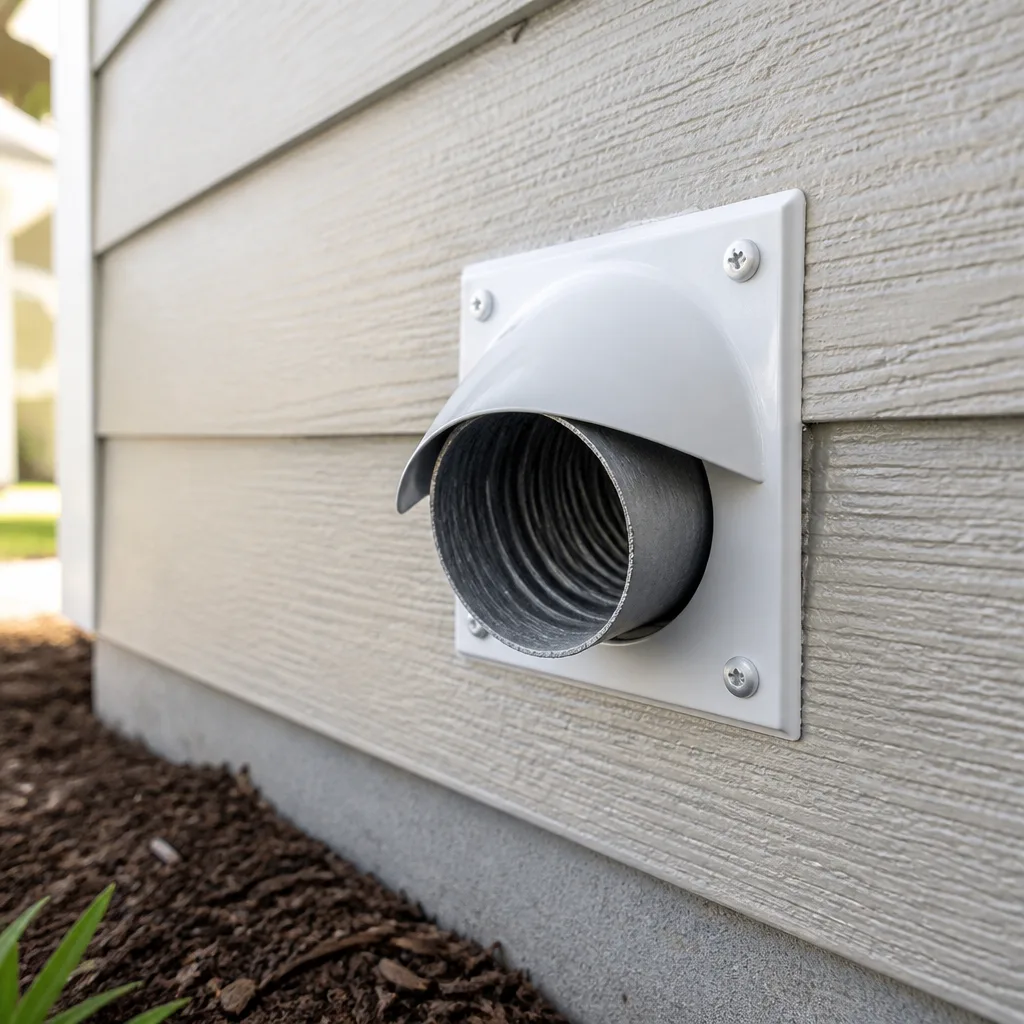 Dryer vent cleaning
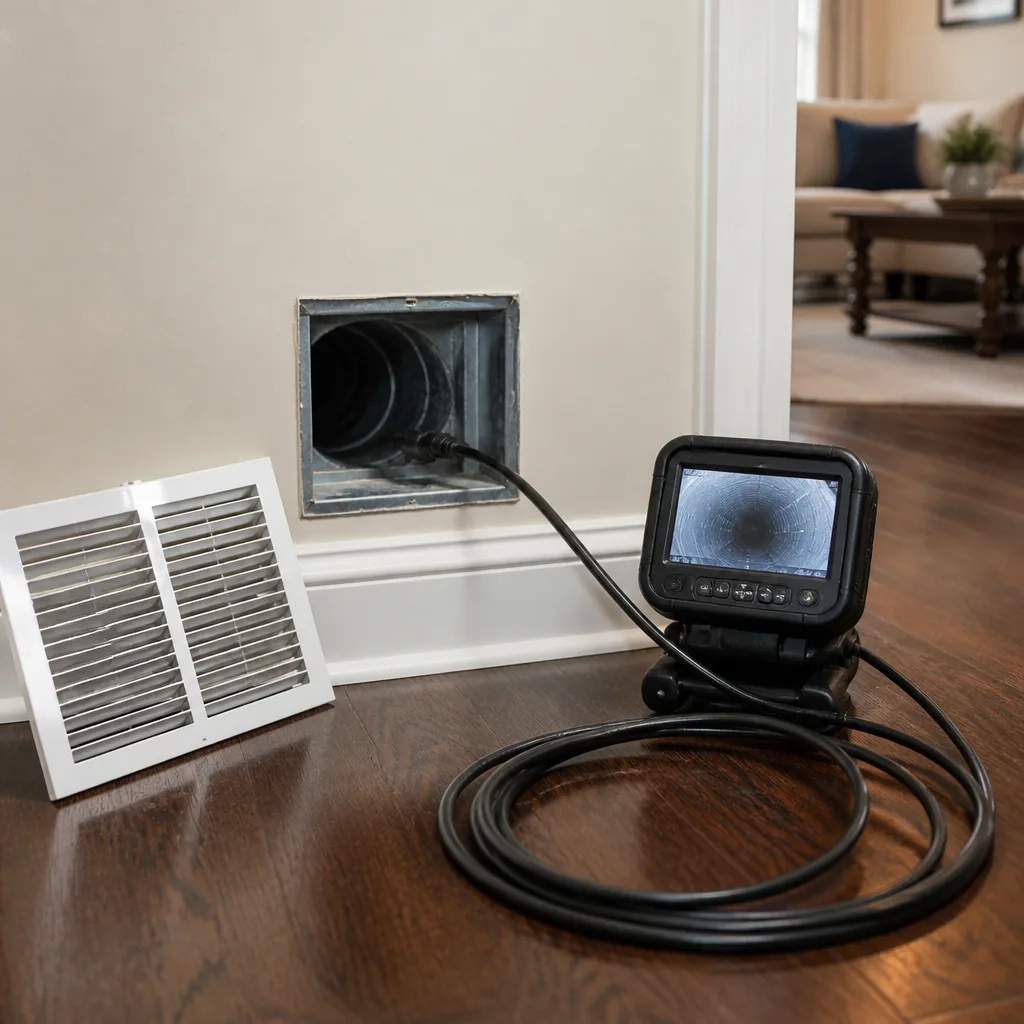 Camera inspection
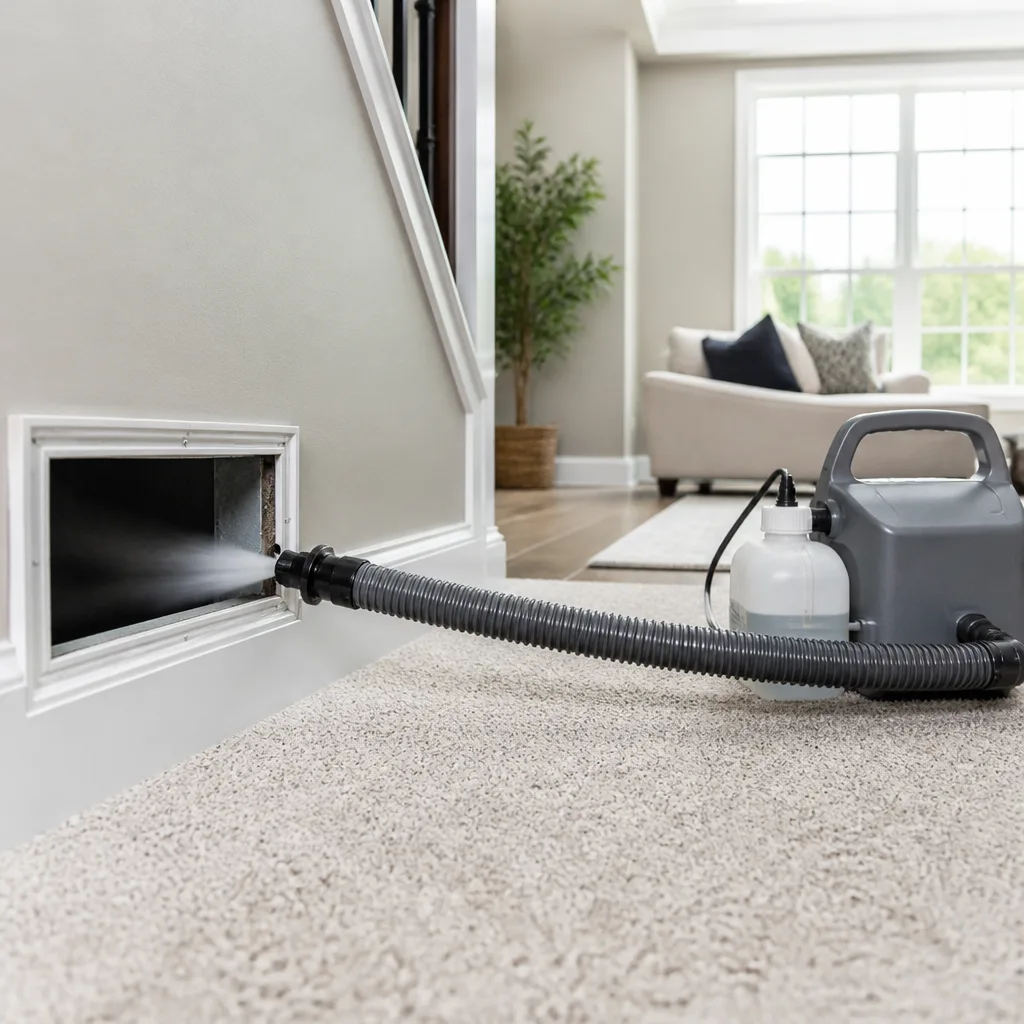 Sanitizing & deodorizing
Whole-system duct and dryer vent check with before-and-after photos - you see exactly what came out of your vents
That "$99 whole-house special" is a bait ad - the real number appears once they are in your hallway, or the "clean" is a shop-vac at the register. We photograph the inside of your ducts before and after instead.
Air Duct Cleaning Warning Signs: A Fishers Homeowner’s Reference Guide
Uneven room temperatures in a home that passed its last HVAC tune-up is almost never a refrigerant problem. More often, it’s a duct restriction or a disconnected run that a pressure test would locate in under 20 minutes. That’s the part most homeowners miss: the equipment can test perfectly while the pathways carrying its air quietly fail behind drywall and above ceilings. We wrote this guide for Fishers homeowners who want to recognize the subtle airflow and air quality patterns that build over months. You’ll learn how to separate a duct problem from an equipment problem, read your own supply registers, decode odors, and know when cleaning is enough and when repair is the real answer.
Quick Answer
The main warning signs of dirty or failing ducts are uneven room temperatures, visible dust streaking from supply registers, musty or animal odors when the system runs, allergy symptoms that concentrate in one or two rooms, and a noticeable jump in heating and cooling bills without a matching equipment change. In Fishers, the humid summers and cold winters make these signals easier to confirm because you can compare how rooms behave across both seasons. If the signs point to physical damage like collapsed flex duct or disconnected boots, cleaning alone won’t fix it and a repair inspection is the right next step.
Styles & brands we work with
- Whole-home duct cleaning
- Dryer vent cleaning
- Camera inspection
- Sanitizing & deodorizing
Table of Contents
- Is it a duct problem or an HVAC equipment problem?
- What do dust patterns on supply registers tell you?
- The odor profile of mold, dust, and rodent activity
- Why allergy symptoms in one room matter
- Warning signs that your ducts need repair, not just cleaning
- How Fishers humidity and heating season stress ductwork
- The dryer vent warning signs homeowners overlook
- What professional equipment actually changes
Is it a duct problem or an HVAC equipment problem?
You can tell them apart most of the time by watching airflow, not temperature alone. An HVAC equipment problem tends to show up system-wide: every room drifts warm or cold together, the outdoor unit runs constantly, or the air handler short-cycles. A duct problem is uneven. Some rooms get plenty of air and others barely feel the register. That asymmetry is the tell.
Here’s how to run a simple airflow observation yourself before you call anyone:
- Hold a tissue or a strip of light paper against each supply register while the system runs. Note how strongly it flutters in each room. Big differences between rooms on the same system point to a restriction, a leak, or a disconnected run.
- Time how long each room takes to reach the thermostat setpoint after a full system cycle. Rooms that consistently lag, especially on the far end of the house, are prime suspects.
- Listen at each register. A whistling or roaring supply usually means restricted airflow behind the boot, often from crushed flex duct or a partially closed damper.
- Check the return grilles. If one return pulls weakly while others pull hard, the duct run feeding it may have a leak or a break.
An HVAC technician with a manometer can confirm this with a static pressure test in under 20 minutes. If your equipment checks out and rooms still behave differently, the ducts are the problem, not the machine. This is the single most useful distinction in this guide. Homeowners in Fishers who skip it end up paying for equipment service that never addresses the real cause. If you want a duct-specific diagnostic, our air duct cleaning inspection starts with airflow, not a sales pitch.
What do dust patterns on supply registers tell you?
Dust patterns are a map of where contamination concentrates in the run. A supply register doesn’t just emit dust from the room it’s in; it emits dust carried from upstream, which means the pattern at each vent tells you something about what came before it.
- Streaking or dark trails radiating from the grille fins. This is dust being pushed through under pressure and settling on fins. It usually means the run feeding that register carries a lot of loose debris.
- Even gray fuzz across the whole grille. Suggests general dust load throughout the system, common in homes where the filter has been neglected or the return is undersized.
- Black specks or granular grit. Often fiberglass or deteriorated duct liner breaking down. This is a repair flag, not just a cleaning flag.
- Dust collecting heavily on the ceiling around a register. Points to a leaking boot-to-drywall seal. Air escaping at the boot carries dust with it and deposits it right at the edge.
Compare registers across the house. If the strongest dust pattern is at the registers farthest from the air handler, the contamination load likely concentrates upstream, near the equipment or in the main trunk. If patterns cluster in one zone, a disconnected or crushed branch is a stronger possibility. Either way, a supply-register walk is the cheapest inspection you can do, and Fishers homeowners can complete it in 15 minutes with a flashlight and a notepad.
The odor profile of mold, dust, and rodent activity
Odors are the most misread duct warning sign because they all get lumped into “musty.” They shouldn’t be. The odor profile points to a specific cause, and each cause requires a different response.
Dust odor
A dry, faintly chalky smell when the system kicks on is usually accumulated dust burning off the heat exchanger or being stirred through the ducts. It’s the mildest signal and often resolves with a proper cleaning and a fresh filter.
Mold odor
A true mold smell is earthy, damp, and persistent in a way dust isn’t. It tends to be strongest in the first few minutes after the system starts and in rooms nearest the air handler. Mold in ductwork almost always points to a moisture source, usually condensation on cool surfaces during Fishers’ humid summers or a leak near the air handler. Cleaning removes the growth, but unless the moisture source is addressed, it returns. This is why we flag the moisture issue, not just the smell.
Rodent odor
An ammonia-tinged or sharp, stale smell, sometimes with scratching sounds in the walls, indicates rodent activity in the duct system or the cavities around it. This is the most urgent of the three because rodents damage flex duct and insulation and introduce contamination that cleaning alone may not fully resolve. A repair inspection should follow any confirmed rodent activity.
If you can’t place the smell, run the fan on its own without heating or cooling for a few minutes. This isolates air movement from combustion and helps you identify which odor family you’re dealing with before you call anyone. If the answer is “not sure,” a professional assessment is worth the call: Duct Cleaning Fishers technicians have up to 15 years of experience reading exactly this kind of signal.
Why allergy symptoms in one room matter
Allergy symptoms that flare in one room but not others are a duct asymmetry signal worth investigating. If the whole house were contaminated evenly, everyone would react everywhere. Symptoms concentrated in a bedroom, a basement office, or a single child’s room usually mean one branch of the system carries a heavier debris load or a moisture problem the rest of the system doesn’t share.
Start with the room itself before blaming the ducts. Rule out the obvious: new bedding, a rug, a pet that sleeps there, or a window that stays closed with poor ventilation. Once those are off the table, look at the supply and return serving that room. The most common culprits we investigate are:
- A branch duct that runs through an unconditioned space like an attic or crawlspace and picks up moisture or insulation dust.
- A long, convoluted flex run that collects debris because it can’t be cleaned effectively by a shop vac.
- A return that pulls from a crawlspace or garage, drawing contaminants the supply then distributes.
- A flex duct with a rip or a disconnected joint bleeding attic air into the room’s supply.
Families in Fishers managing asthma or seasonal allergies often notice this pattern first in spring and fall, when outdoor allergens rise and the system pulls more of them through. Addressing the contaminated branch specifically, rather than cleaning the whole house on a schedule, is often the more useful move. If one room is your problem room, tell the technician which room before the visit and ask for that branch to be inspected first.
Warning signs that your ducts need repair, not just cleaning
Cleaning removes what’s inside the ducts. Repair fixes what’s wrong with the ducts themselves. Most duct cleaning companies only do the first. These are the signs that the system has moved into repair territory:
- Collapsed flex duct. A flex run that has kinked or crushed loses most of its airflow capacity. You often see this as one dead room and a roaring register nearby. Cleaning a collapsed duct doesn’t help; the run needs to be replaced or re-routed.
- Disconnected boots. The boot is the fitting where the duct meets the floor or wall register. When it separates, air dumps into the wall cavity or crawlspace instead of the room. You feel weak airflow and see dust around the register edge.
- Failed mastic seals. Mastic is the sealant used at duct joints. As it dries and cracks, joints leak. Leaking joints pull in attic or crawlspace air, which is why a “clean” house can still feel dusty.
- Fiberglass liner breakdown. Older duct board and lined metal ducts can shed fibers into the airstream. Black grit at registers is the visual cue.
- Rodent damage. Chewed flex and torn insulation require replacement, not cleaning.
If you recognize two or more of these, ask for a repair assessment before scheduling cleaning. Our duct cleaning in Fishers service goes past vacuuming to identify and seal compromised ductwork, which is where most airflow complaints actually live. Cleaning a damaged system just moves the problem around.
How Fishers humidity and heating season stress ductwork
Central Indiana’s climate is hard on ductwork in two distinct seasons, and the warning signs look different in each. In summer, Fishers humidity pushes indoor relative humidity high enough that cool duct surfaces can sweat. Condensation on flex duct in a humid attic or crawlspace is one of the most common moisture sources behind mold odors. If your ducts run through unconditioned attic space, the summer is when moisture problems start and the fall is when you smell them.
In winter, the stress is different. Cold, dry air causes duct sealants and mastic to become brittle. Flex duct that was slightly loose in summer can separate at a joint by January. That’s why the same home can show even temperatures in October and cold spots by February. If your heating season reveals a room that was fine all summer, suspect a winter-time seal failure, not an equipment problem.
The shoulder seasons matter too. Fishers sits in a transition climate where the system may switch between heating and cooling within the same week in spring and fall. Ductwork that handles both modes sees more thermal cycling than in a purely hot or cold climate, which speeds up mastic cracking and joint separation. That’s a specific, Fishers-relevant reason a duct inspection is worth doing once a year rather than waiting for a dramatic failure.
If you heat with a system that includes a whole-home humidifier or a filtration unit, duct condition affects how well those systems work. Technicians trained on Honeywell and Aprilaire IAQ systems know how duct leakage and contamination undermine the equipment itself, which is why we ask about those systems during an inspection.
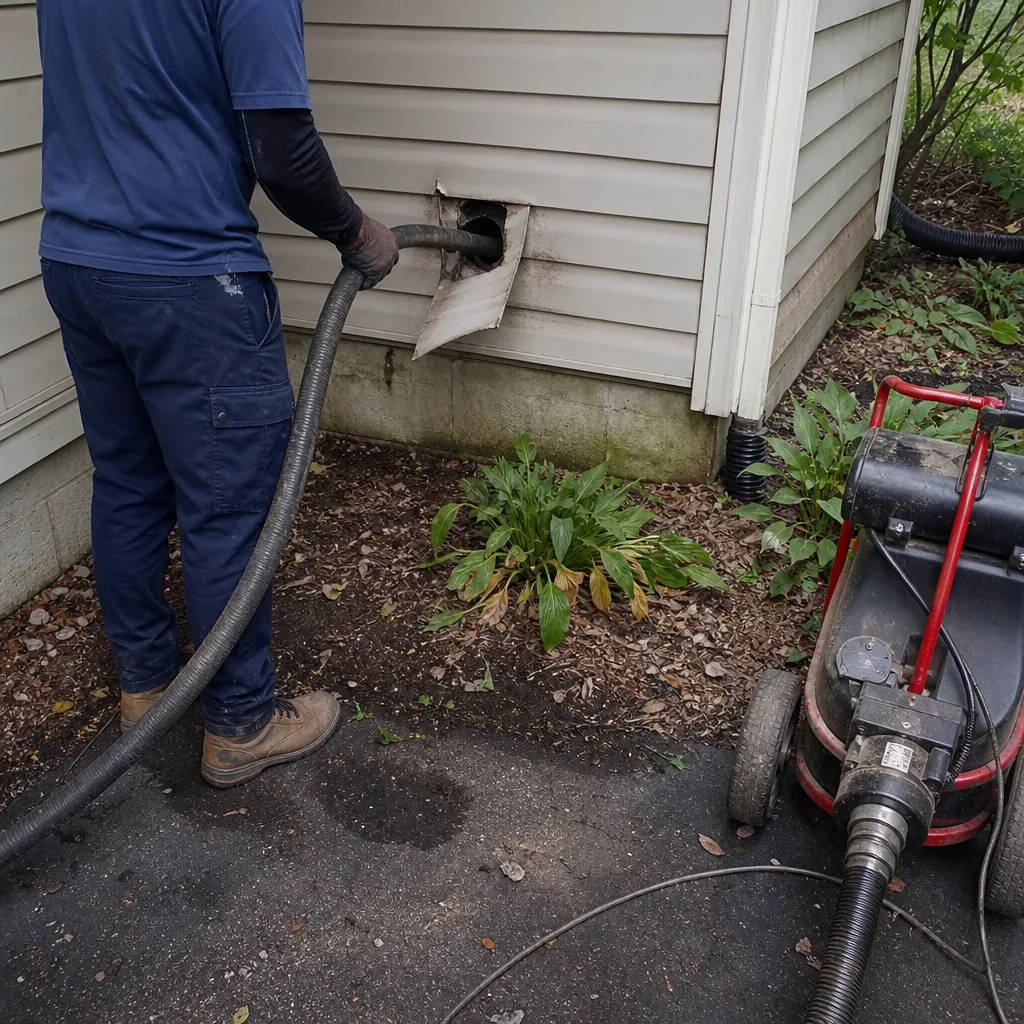
The dryer vent warning signs homeowners overlook
Dryer vents are the one duct system in your home with a documented fire risk attached, and most homeowners never think about them until something goes wrong. Lint accumulates in the vent run and reduces airflow. When airflow drops far enough, heat builds and lint can ignite. Federal fire statistics consistently place dryer vents among the leading causes of residential fires, which is why this belongs in any duct warning sign guide.
The signs a dryer vent needs attention:
- Clothes take noticeably longer than they used to dry, especially on the same cycle you’ve always used.
- The dryer or the laundry room feels hot to the touch during a cycle.
- You notice a burning or scorched smell near the dryer.
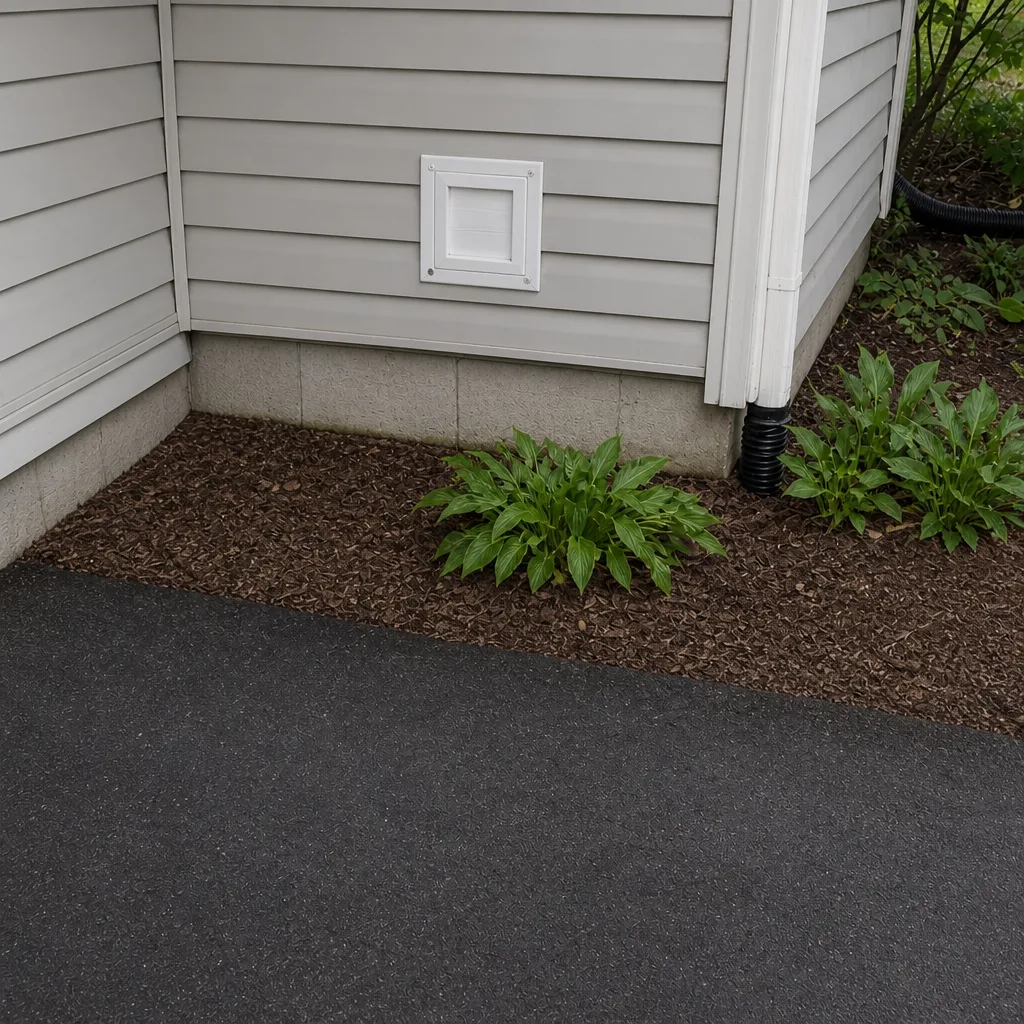
- The exterior vent flap doesn’t open fully or doesn’t move at all when the dryer runs.
- Lint is visible around the vent connection or packing behind the dryer.
One or two of those signs is worth a professional look. Several at once is a reason to stop using the dryer until the vent is checked. Fishers homes with long vent runs to an exterior wall, or vents that route up through a roof, are more prone to lint buildup because the run has more bends and more places to collect. Our dryer vent cleaning is part of the core service scope, not an add-on, because the risk is real and the fix is simple when it’s done with the right equipment.
What professional equipment actually changes
The warning signs in this guide are only useful if the cleaning that follows them actually addresses the problem. That’s the gap between a specialist and a budget cleaner with a shop vac. Three pieces of equipment separate the two:
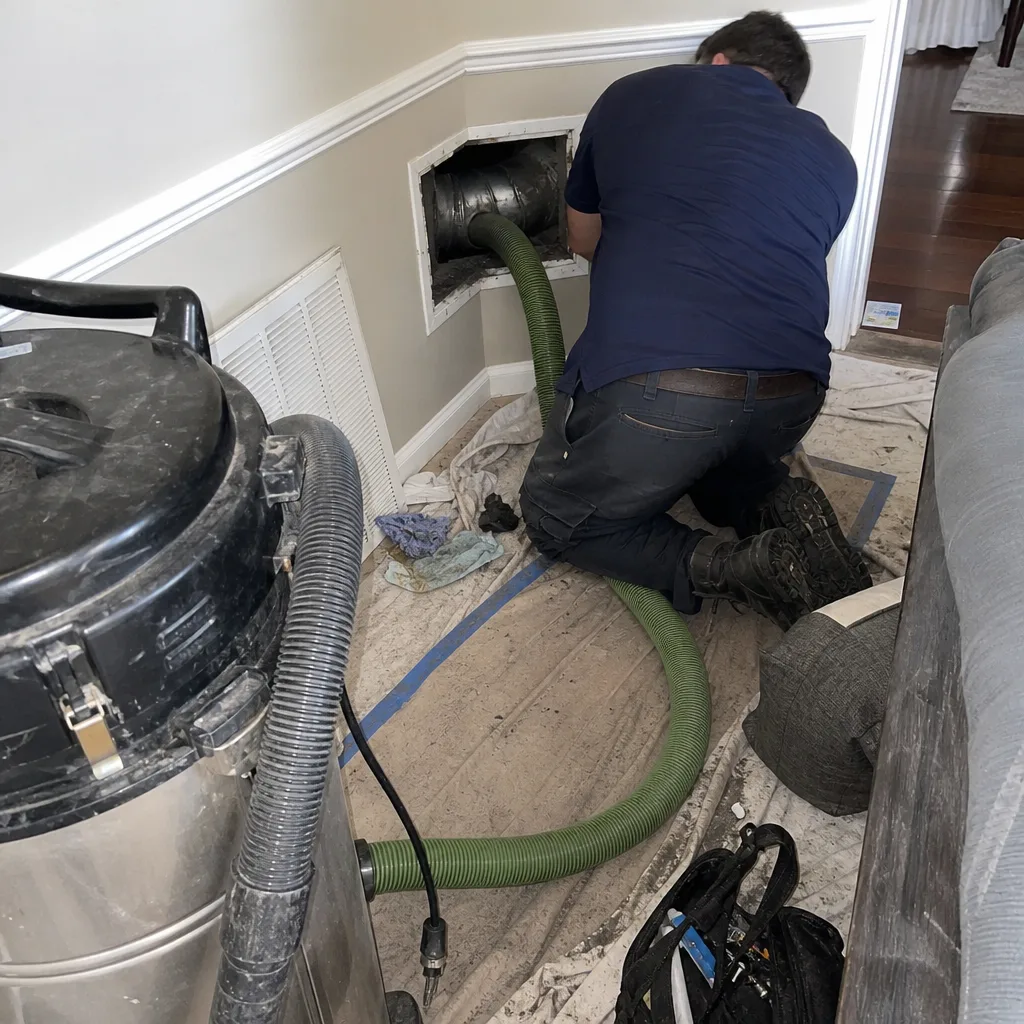
- Rotobrush brush systems and Nikro HEPA vacuums. These are the tools specified by indoor air quality professionals because they agitate debris off duct walls and contain it in a HEPA-filtered airstream. A shop vac pulls air but doesn’t scrub surfaces or filter fine particles reliably. The brush does the work the vacuum alone can’t.
- Abatement Technologies negative-air filtration on site. Containment first. Clearing debris from ducts without containing it just redistributes it through the house. Negative-air filtration pulls air and particles toward the machine during the job, so what’s dislodged doesn’t end up on your furniture and in your lungs.
- Before-and-after photos of your ducts. These are how you know the work was actually done. Ask for them regardless of which company you hire.
The equipment question matters because duct cleaning has a reputation problem: low teaser prices that become larger invoices once the technician is on site. The answer is one flat price per system, agreed in writing before work starts, with no per-vent pricing. That model works only if the equipment and the process are capable of delivering the result the price promises, which is why we lead with the equipment. Our agents connect you with independent local professionals who use professional-grade tools, not consumer shortcuts. If you want to see how this plays out across the area we serve, visit our Fishers page.
Common Mistakes to Avoid
- Assuming a fresh filter fixes everything. A filter catches what reaches it. It doesn’t touch contamination already coating the duct walls or fix a disconnected boot. If the same rooms are still uneven after a filter change, the ducts are calling.
- Hiring the cheapest bid for a duct cleaning in Fishers without asking about equipment. A quote with no stated equipment and no written scope is not a quote, it’s an opening offer. Ask which brush system and which vacuum will be used, and ask for before-and-after photos before the job starts.
- Cleaning a damaged system. If flex duct is collapsed or a boot is disconnected, cleaning just stirs debris that has nowhere to go. Repair first, then clean.
- Ignoring the dryer vent because it still dries clothes. Clothes taking two cycles is the warning sign, not the failure. Lint buildup is a slow problem that ends in a sudden one.
- Treating a one-room allergy pattern as “just allergies.” If one room is consistently worse, the branch feeding that room is different from the others. That’s a duct asymmetry worth a look, not a season to wait out.
- Cleaning without addressing a moisture source. Fishers humidity makes condensation on ductwork common. If mold odor returns a few months after a cleaning, moisture is the cause and the cleaning didn’t address it.
- Never checking the return side. Homeowners watch supplies and forget returns. A leaking return pulls attic or crawlspace air into the house on every cycle and is one of the most common reasons a house feels dusty no matter how often it’s cleaned.
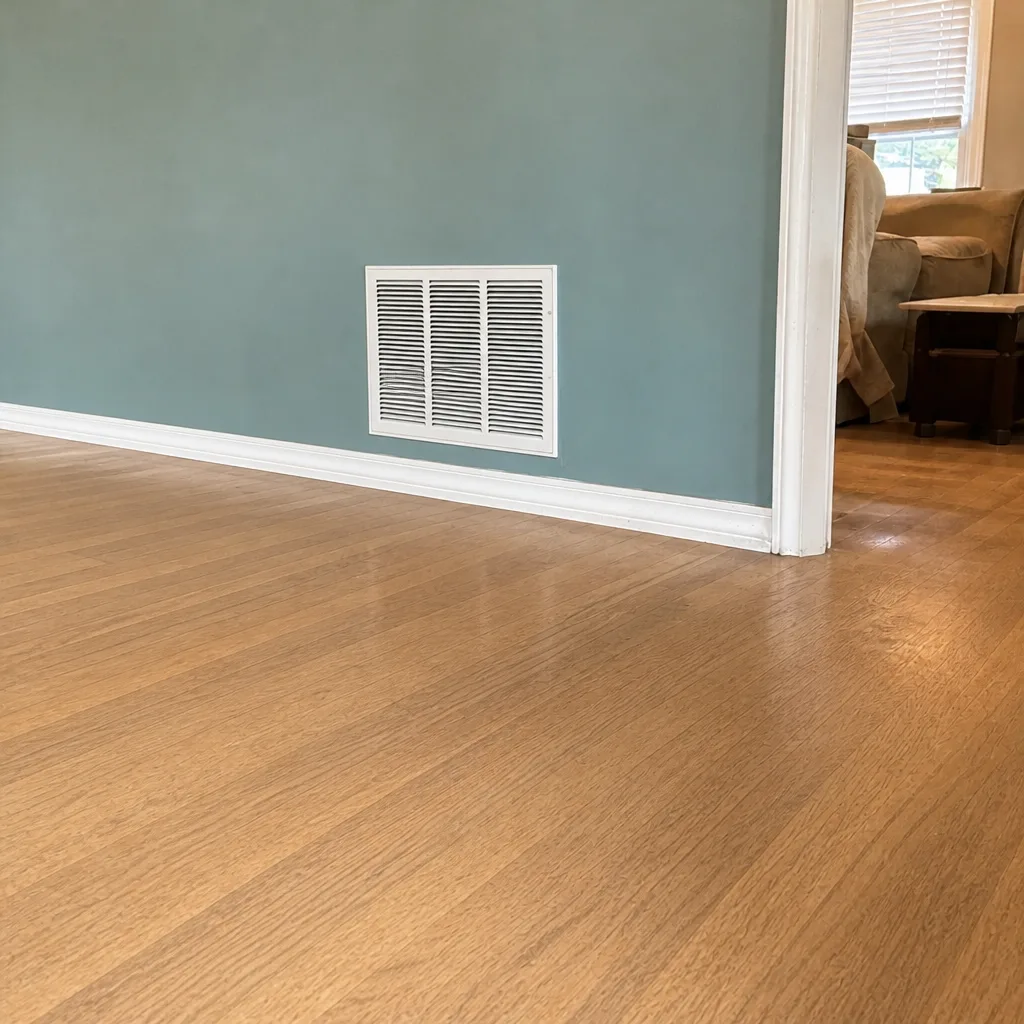
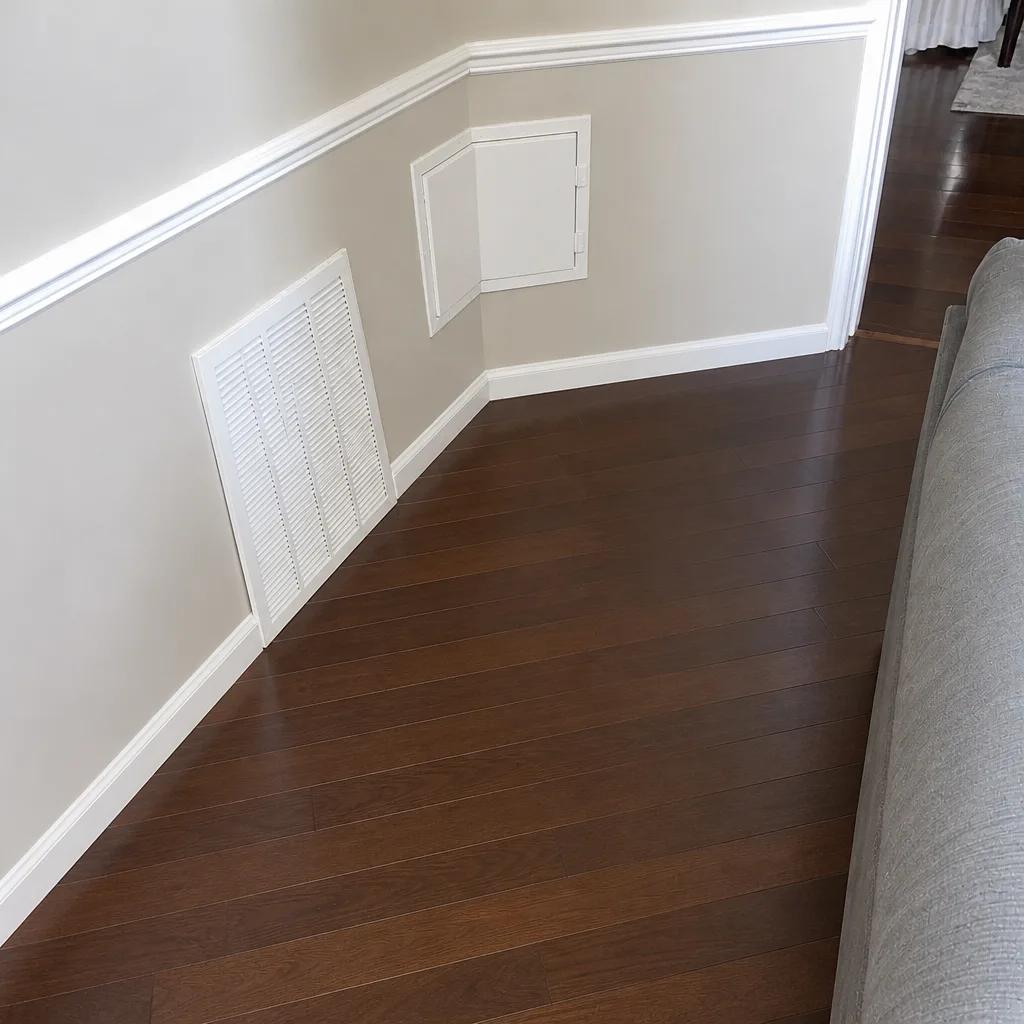
See the difference
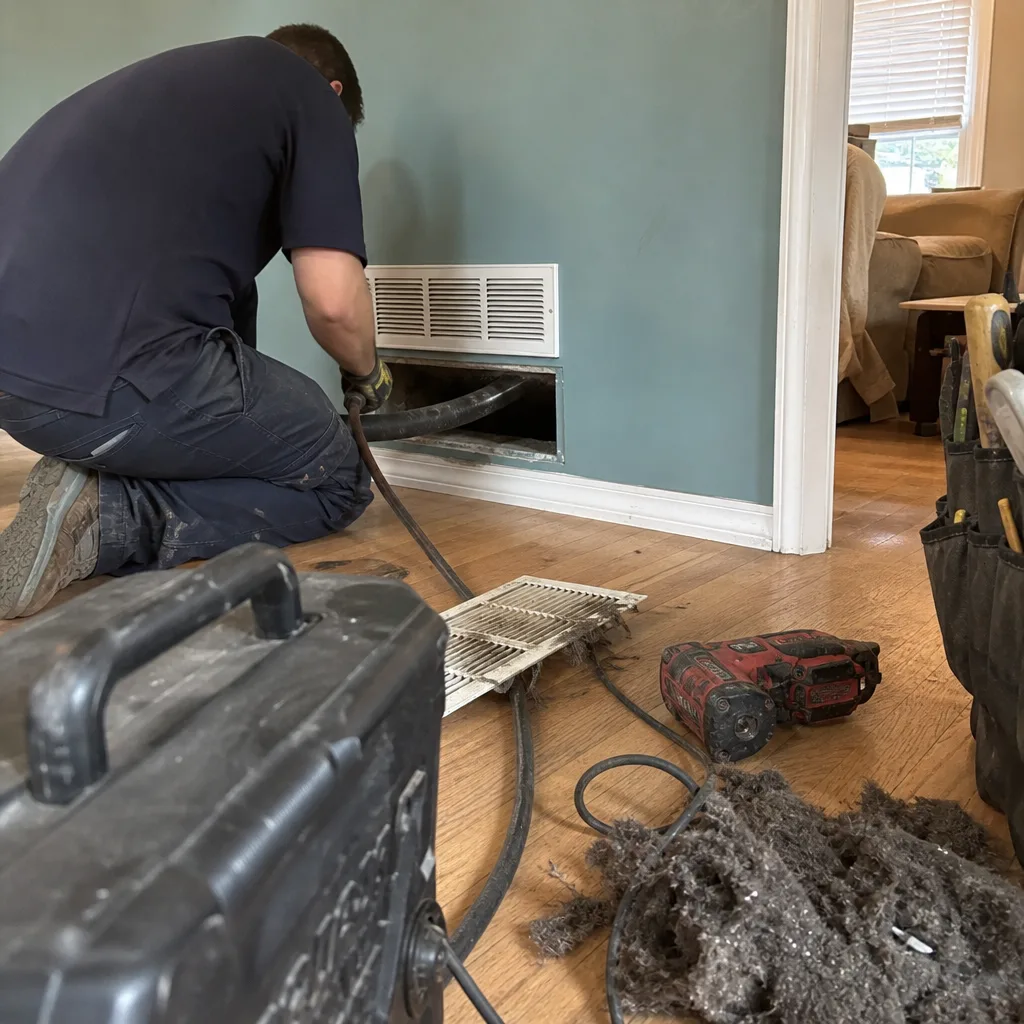 Before
 After
 Before
 After
 Before
 After
When to Call a Professional
Call a professional when you see two or more of the warning signs in this guide at once. A single dust-streaked register can wait. Dust streaking plus uneven rooms plus a musty smell on startup is a pattern that points to contaminated or damaged ducts and needs an inspection. Call if you smell mold or rodent activity, if your clothes take noticeably longer to dry, if a room that was fine last winter is cold this winter, or if you can see grit or black specks coming from a register. Don’t try to reach into ductwork or handle high-static HVAC components yourself; a trained technician has the equipment to assess and clean safely. Duct Cleaning Fishers offers free estimates in Fishers. Call (844) 320-6508. We answer 24/7. Fast dispatch from 7am to 7pm, Sunday through Friday.
Frequently Asked Questions
Most Fishers homes do well with a professional duct cleaning every three to five years, though that shifts with the household. Homes with pets, recent remodeling, a duct system that has never been serviced, or a family member with asthma or allergies often benefit from a shorter interval. The better guide is the sign pattern in this guide: if you see them return, clean sooner. Call (844) 320-6508 for an exact quote on your home. Estimates are free.
Whole-home duct cleaning in Fishers typically runs in a range set by the number of systems, the size of the home, and whether repair work is needed. We give one flat price per system agreed in writing before work starts, with no per-vent pricing and no teaser coupon that changes once the technician is on site. The written estimate sets the final price. Call (844) 320-6508 for your exact quote.
Cheap quotes usually skip a step: no brush system, no negative-air containment, no before-and-after photos, and no repair capability if something is wrong. That gap is where the industry’s bait-and-switch reputation comes from. Ask each company which equipment they use and whether the price is flat or per-vent. We use Rotobrush brush systems, Nikro HEPA vacuums, and Abatement Technologies filtration on site, and the flat price is set before we start. Call (844) 320-6508 to compare our written estimate.
Ask for before-and-after photos of your own ducts. Any company can tell you the job is complete; the photos show it. We provide them as part of the job, and we walk through what the photos show. If you hire someone else, make the photos a condition of the quote. Call (844) 320-6508 for a free estimate with that included.
Uneven rooms usually point to a duct problem: a restriction, a leak, a disconnected boot, or a collapsed flex run. A full HVAC failure tends to affect the whole house at once. If your equipment passed its last tune-up and rooms still behave differently, ask for an airflow and static pressure check before replacing equipment. Call (844) 320-6508 to schedule a duct inspection.
Sometimes, but only if the smell is dust or general debris. A true mold odor usually means a moisture source is feeding growth in the ducts, and cleaning alone won’t solve that; the moisture has to be addressed or the smell returns. Rodent odors also need repair, not just cleaning. A professional assessment identifies which situation you have. Call (844) 320-6508 for an exact quote.
The Bottom Line
Duct warning signs rarely arrive as a dramatic event. They show up as a room that won’t warm up, a faint musty smell at startup, dust trails on a register, or allergy symptoms in one bedroom. The homeowners who catch problems early are the ones who read those signals and act on the pattern, not the single annoyance. The key distinctions are duct versus equipment, cleaning versus repair, and dust versus mold versus rodent. Fishers humidity and winter cold stress ductwork in ways that make an annual check worthwhile. Our technicians have up to 15 years of experience, we repair what others only clean, and we set one flat price per system before work starts. Call (844) 320-6508. We answer 24/7. Fast dispatch from 7am to 7pm, Sunday through Friday.
Written by the team at Duct Cleaning Fishers.