
Last updated November 16, 2026
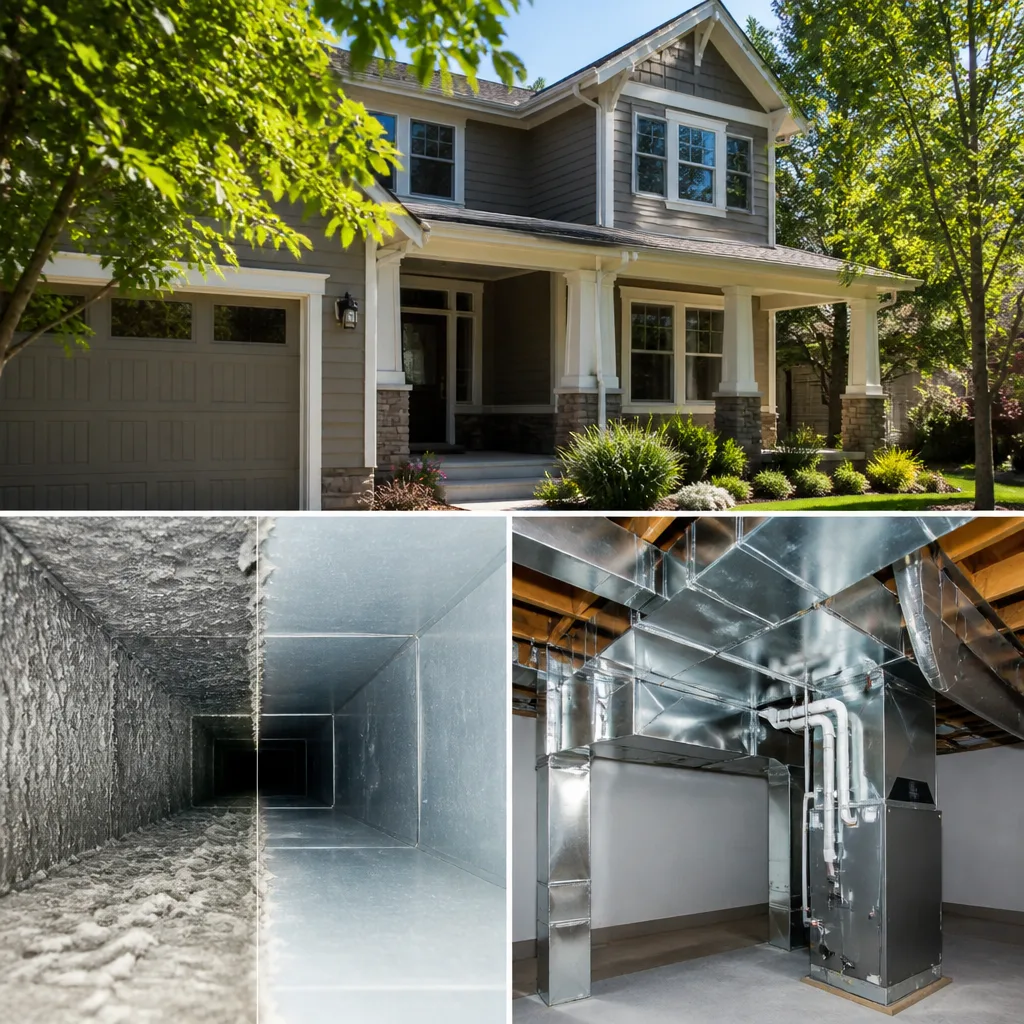 Whole-home duct cleaning
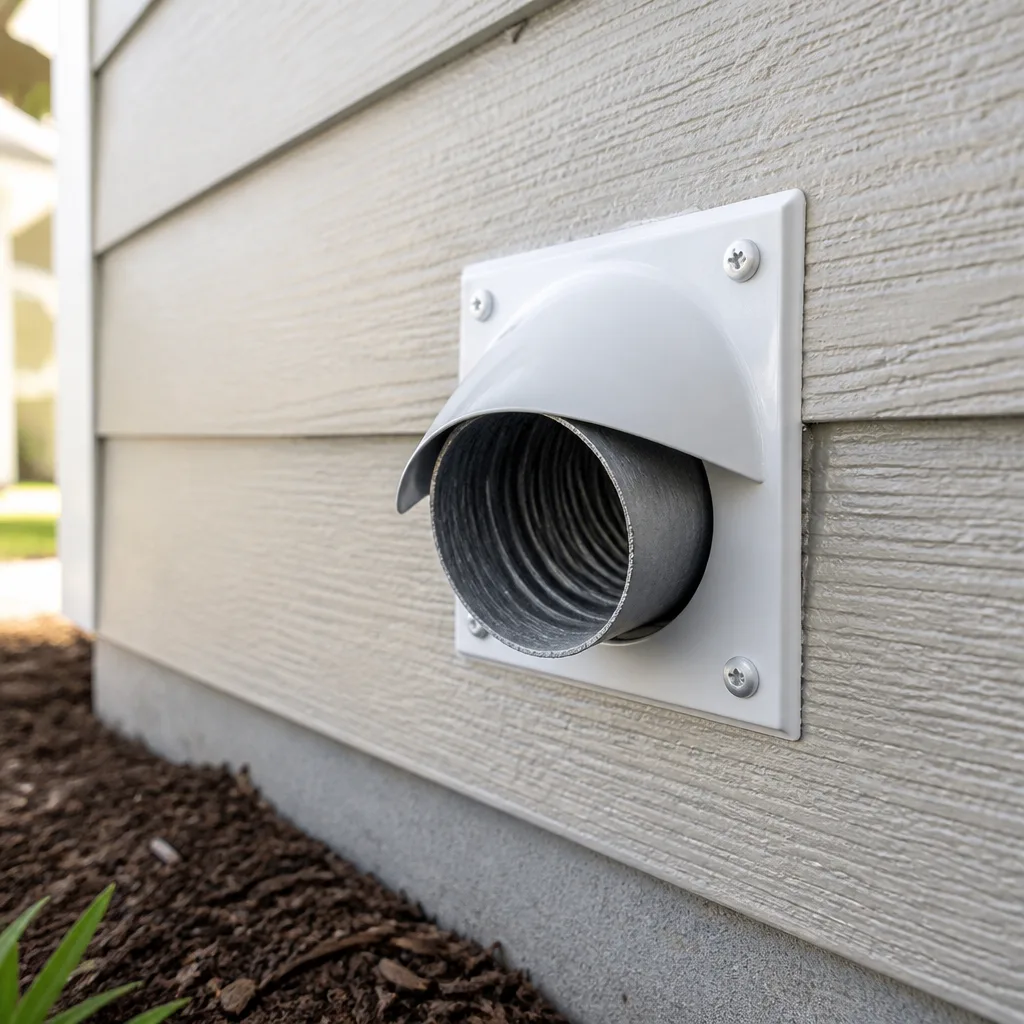 Dryer vent cleaning
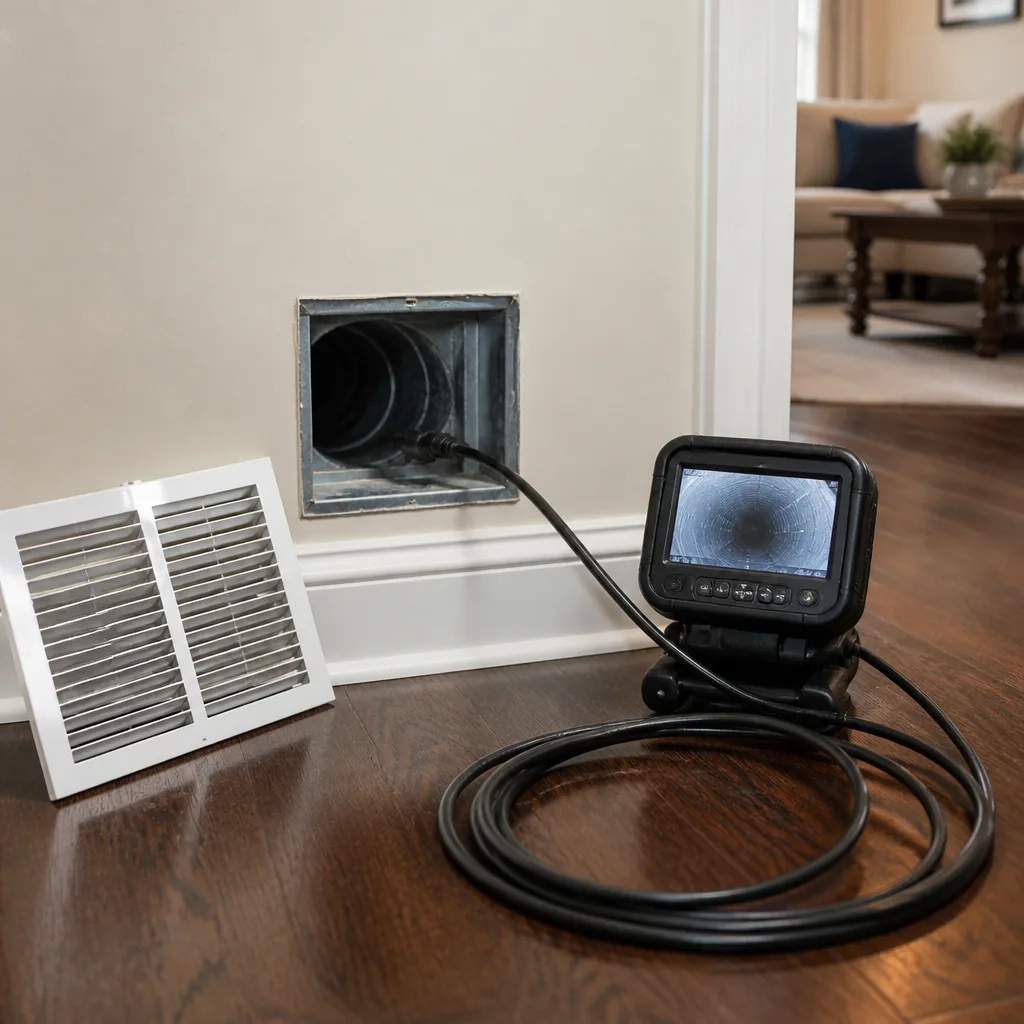 Camera inspection
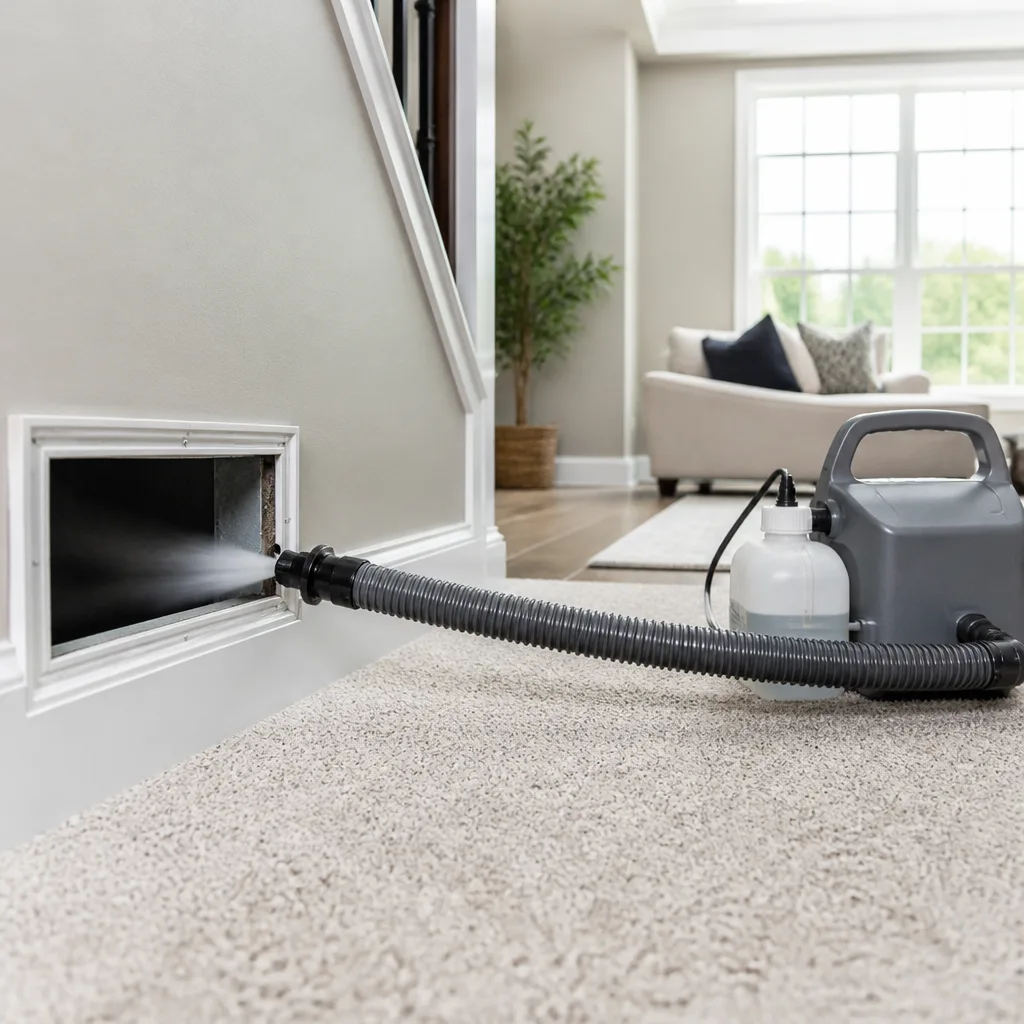 Sanitizing & deodorizing
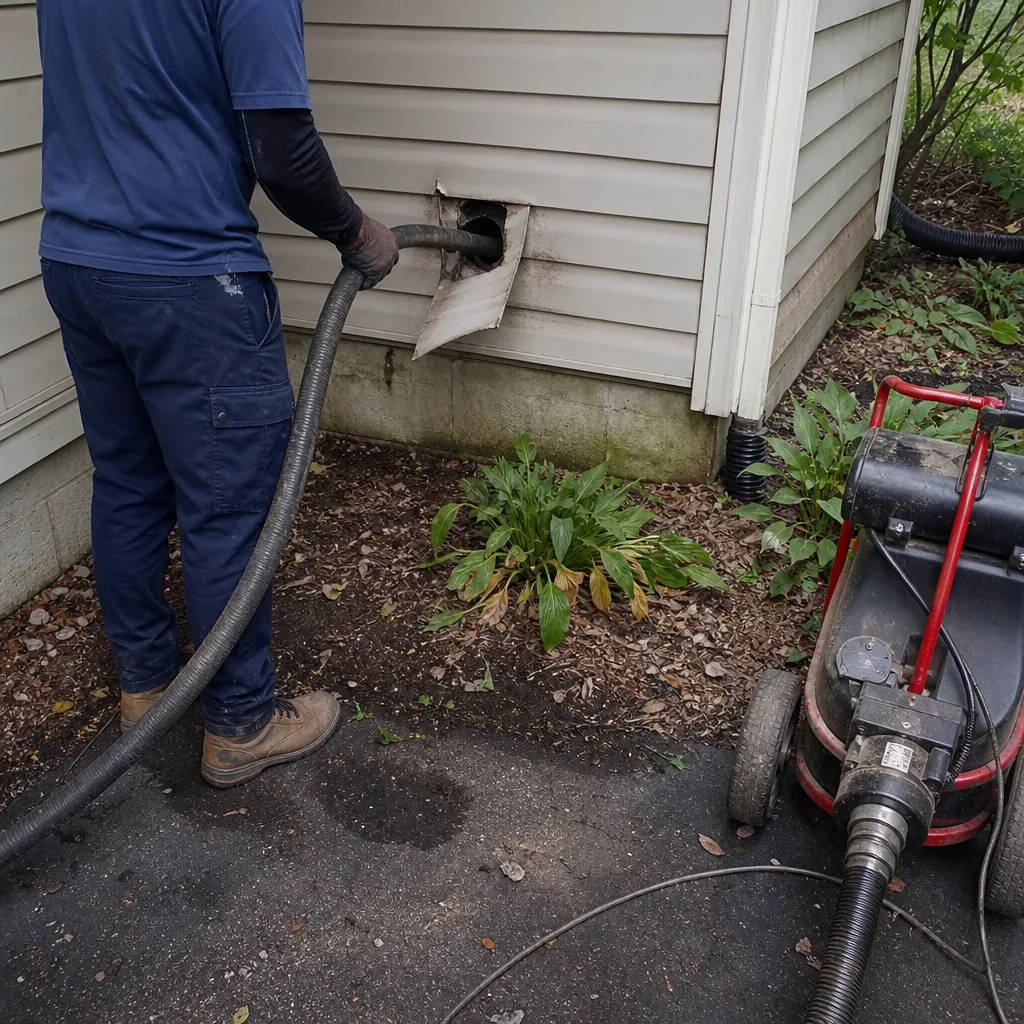
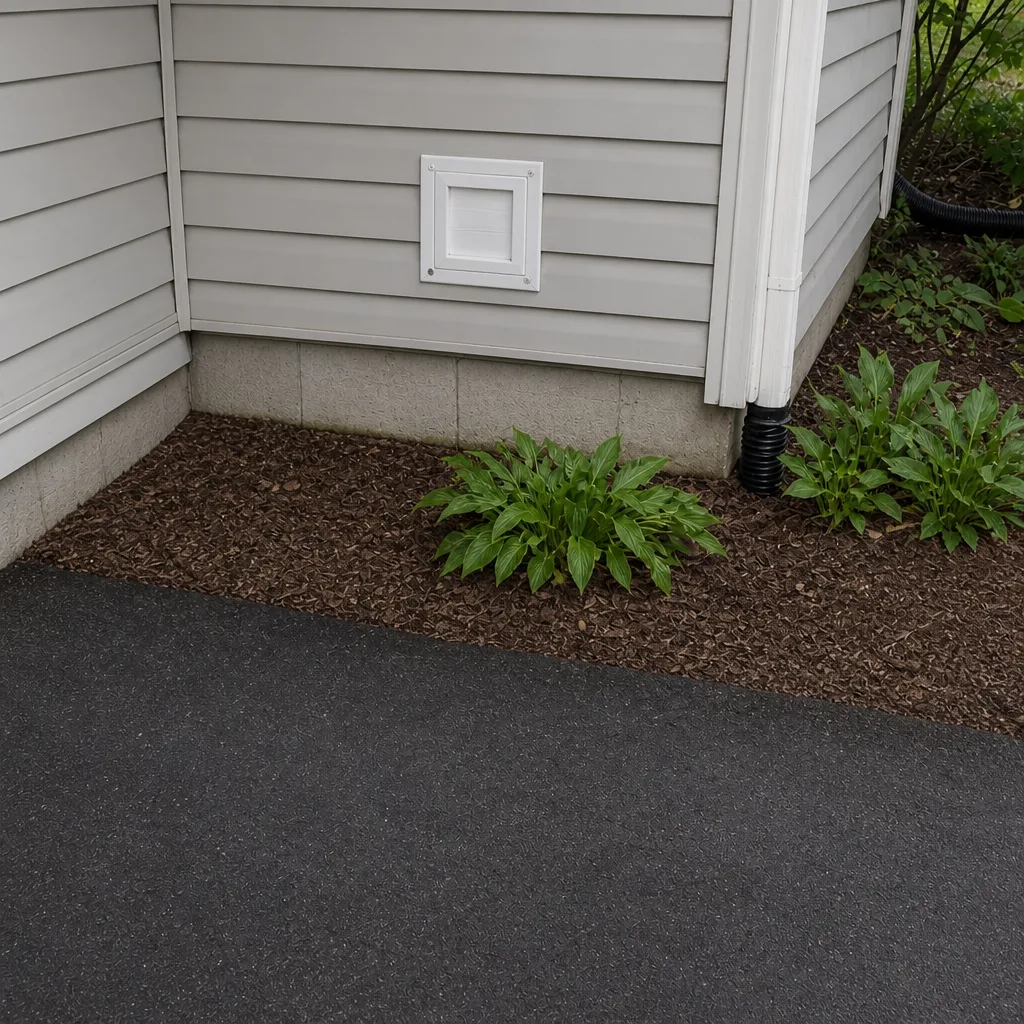
Whole-system duct and dryer vent check with before-and-after photos - you see exactly what came out of your vents
That "$99 whole-house special" is a bait ad - the real number appears once they are in your hallway, or the "clean" is a shop-vac at the register. We photograph the inside of your ducts before and after instead.
DIY vs Professional Air Duct Cleaning: The Fishers Homeowner’s Decision Guide
Most advice about duct cleaning focuses on the wrong question. Homeowners in Fishers ask whether they can handle it themselves, and the usual answer hinges on effort or safety. The real issue is equipment physics. A consumer vacuum and a professional negative air machine aren’t the same tool at different prices; they’re different categories of machine that create different airflow velocities. That gap decides whether debris leaves your ductwork or just gets pushed somewhere else in it. In this guide, we’ll walk through the CFM thresholds that matter, what a Fishers homeowner can legitimately do without professional equipment, when DIY is genuinely enough, and how to tell whether a “professional” quote is actually professional.
Quick Answer
Professional air duct cleaning is worth it when your ducts have visible debris, uneven airflow, musty odors, or have never been serviced. DIY is sufficient for register cleaning, filter replacement, and visual inspection. The equipment gap is real: consumer vacuums move roughly 150 CFM while professional truck-mounted systems move 2,000 – 4,000 CFM, and that difference determines whether source removal actually happens. Call (844) 320-6508 for a free estimate if you’re unsure which category your home falls into.
Styles & brands we work with
- Whole-home duct cleaning
- Dryer vent cleaning
- Camera inspection
- Sanitizing & deodorizing
Table of Contents
- Why CFM and Negative Pressure Decide the Outcome
- What a Fishers Homeowner Can Legitimately Do Themselves
- When DIY Is Genuinely Sufficient
- When Professional Equipment Is Not Optional
- The Hidden Cost of DIY Done Wrong
- How to Evaluate a “Professional” Duct Cleaning Quote
- Fishers Housing, Climate, and Duct Condition
- Cleaning vs Repair: The Gap Most Companies Leave Open
Why CFM and Negative Pressure Decide the Outcome
Duct cleaning has a single technical goal: source removal. That means capturing debris at its origin and pulling it out of the system entirely, not agitating it and letting it settle back down. Whether source removal happens depends on three physical factors working together: airflow volume (measured in cubic feet per minute, or CFM), sustained negative pressure at the source, and containment of what gets dislodged.
A standard residential duct system in Fishers has a supply trunk and multiple branch runs, often with 6-inch or 8-inch flex duct connecting registers to the main. The debris that accumulates inside includes drywall dust, pet hair, dust mite matter, and general household particulate. It clings to the duct wall through a combination of static charge, moisture, and simple settling. To move that material, you need enough airflow velocity to break it free and enough sustained suction to carry it out.
A shop vac with a dryer brush attachment generates roughly 150 CFM of airflow at the hose. A truck-mounted professional system generates 2,000 – 4,000 CFM. That’s not a 10% difference or a 2x difference; it’s a 10 – 15x difference. And velocity scales roughly with that airflow, which means a consumer vacuum doesn’t have the velocity to sweep duct walls clean. It has enough to stir up the top layer of settled debris. That stirred material then gets suspended in the airstream, and when the vacuum can’t pull it out in a contained way, it settles back into the duct or drifts toward the air handler.
Professional systems also create sustained negative pressure (measured in inches of water column) at the source. That negative pressure is what pulls debris from every branch back to a single extraction point. Abatement Technologies negative air filtration units add containment on-site, capturing what gets dislodged during the cleaning rather than letting it redistribute into the living space. We use Rotobrush brush systems and Nikro HEPA vacuums alongside Abatement filtration on our jobs. The equipment isn’t the pitch; it’s the reason source removal actually happens instead of surface agitation.
What a Fishers Homeowner Can Legitimately Do Themselves
There’s real value in DIY maintenance, and we’d rather tell you what actually works than suggest you can’t do anything. Some tasks are genuinely within reach for any homeowner with basic tools and a step stool.
Here’s what a Fishers homeowner can do without professional equipment:
- Clean register covers. Remove the grilles and wash them in warm soapy water. Dust and debris accumulate on the surface, and cleaning them improves airflow slightly and reduces visible dust in rooms.
- Replace filters on schedule. A standard 1-inch filter should be changed every 30 – 90 days depending on pets, allergies, and how much the system runs. In Fishers, spring pollen season and winter heating cycles both push particulate through the filter faster. Use the filter rating your HVAC system is designed for; going to a higher MERV rating than the system supports can restrict airflow.
- Inspect ductwork visually. Look inside registers with a flashlight. You’ll see whether the inside is dusty or coated. You’ll also spot obvious separations, crushed flex duct, or pest debris. Visual inspection is diagnostic, not cleaning, and it’s genuinely useful information.
- Vacuum what you can reach. A vacuum hose can reach roughly 12 – 18 inches into a register opening. That removes surface dust at the very end of the run, which reduces the amount of loose debris that first re-enters the room.
- Check the return air path. Follow the return duct back to the air handler. If you see gaps, separated joints, or crushed sections, that’s a repair issue, and taking a photo helps when you call a professional.
Notice that none of these require a dryer brush kit or a duct cleaning attachment. The retail brush kits sold for DIY duct cleaning sit in a category between “useful for register cleaning” and “actively counterproductive for deeper work,” and they don’t create the velocity or containment needed for source removal.
When DIY Is Genuinely Sufficient
Not every home needs a professional cleaning, and we’d be doing a disservice by suggesting otherwise. There are scenarios where DIY maintenance genuinely holds up, and you can save the money without compromising indoor air quality.
DIY is sufficient in these situations:
- The home was recently constructed or renovated and has never had a heavy debris load. Most new construction in Fishers leaves some drywall dust in the ductwork, but if the system wasn’t run during construction, the dust is usually light and localized near the registers.
- You’re managing a healthy system with regular filter changes. If filters are replaced on schedule and there are no pets, smoking, or allergy concerns, duct interiors often stay clean enough for years. Register cleaning plus filter discipline covers it.
- You just moved in and the ducts appear clean on visual inspection. Check several registers with a flashlight. If the duct walls look smooth and grey with light dusting rather than matted material, there’s no compelling reason to book a cleaning today.
- Your concern is air quality but the HVAC equipment is brand new. Dust in the air of a new home usually traces to construction particulate still settling, not to dirty ducts. A professional cleaning won’t fix construction dust that hasn’t yet deposited.
- You’re dealing with a single room that feels stuffy. Often that’s a balancing issue (a damper, a register that’s closed too far, a crushed flex run) rather than a cleanliness issue. That’s a repair question, not a cleaning question.
We’d rather have a Fishers homeowner skip a cleaning that isn’t needed than book one that won’t help. If your visual inspection comes back clean and your filters stay reasonably light between changes, DIY maintenance is the right answer. The picture shifts when you have pets, allergies, visible debris inside the runs, or a system that hasn’t been touched since it was installed.
When Professional Equipment Is Not Optional
There are specific situations where a consumer vacuum physically cannot accomplish the job, regardless of how careful the homeowner is. These are the cases where professional equipment stops being a luxury and becomes the only realistic path to actual source removal.
Professional cleaning is required when:
- Visible matted debris is present in more than one branch run. Matted material sticks to the duct wall and doesn’t come free without sustained high-velocity airflow plus mechanical agitation. This is exactly what a Rotobrush brush system is designed for: a rotating brush driven through each run while a high-CFM vacuum holds negative pressure behind it.
- The home has pets or occupants with asthma or allergies. Pet dander and fine particulate accumulate in the duct system and add to indoor allergen loads. Disturbing those deposits with a shop vac without containment duplicates the pollution rather than removing it. Abatement negative air filtration during cleaning prevents that.
- There’s a musty odor coming from the registers. Odor usually signals moisture intrusion or biological growth on duct surfaces, and that requires the airflow and containment of professional equipment to address without cross-contaminating the rest of the home. It also requires repair (sealing the compromised section) to prevent recurrence.
- Airflow is uneven across rooms in a way that matches duct contamination. If a single room runs weak and the duct to that room is coated inside, cleaning plus inspection often reveals the cause. A shop vac from the register end cannot reach the middle of the run.
- The duct system has never been professionally serviced and the home is more than a decade old. Bought homes in Fishers neighborhoods from the 1990s and 2000s often have original flex duct with accumulated debris that needs a full system extraction, not a surface pass.
- The return-side ductwork (between returns and the air handler) is dirty. The return trunk carries the heaviest debris load because it’s upstream of the filter on some system configurations, and it’s largely inaccessible without professional access points.
In each of these cases, DIY doesn’t fail because the homeowner did something wrong. It fails because a 150-CFM vacuum cannot generate the velocity to move what a 2,000 – 4,000-CFM system moves. When the physics of the job exceed the tool, that’s not a safety question or a skill question. It’s just equipment.
The Hidden Cost of DIY Done Wrong
The appeal of DIY duct cleaning is obvious: you avoid the invoice. The economics shift once you account for what a poorly executed cleaning can trigger downstream. We’re not saying every DIY attempt causes damage. Far from it. But the failure modes are specific and worth understanding before you pick up a shop vac.
Here’s what happens when debris gets stirred up but not removed:
- The blower motor picks up the displaced material. When a shop vac disturbs settled debris without capturing it, some of that material travels through the return duct toward the air handler. The blower motor is the first mechanical component it meets, and debris on the blower wheel throws it off balance, reduces efficiency, and often produces a vibration or noise the homeowner notices afterward.
- The evaporator coil (in cooling season) can become a catchment surface. Fine particulate that passes the filter deposits on the coil fins, which reduces heat transfer and drives up energy use. Cleaning a coil is a separate service and a separate cost from the duct cleaning you were trying to avoid.
- The filter loads faster than normal. If debris is displaced into the airstream rather than removed, the filter catches it, and a filter that normally lasts 90 days might clog in a few weeks. It’s not a catastrophe, but it’s a signal the cleaning moved material into circulation rather than out of it.
- The ducts actually end up dirtier in spots. Material that settles back into the duct often lands in the branch runs farthest from the register, which are the hardest places to reach next time. The next cleaning is now harder.
- Biological growth gets disturbed and distributed. If there’s any moisture-related growth on duct surfaces, agitating it without containment spreads it. This is why professional cleaning includes negative air filtration on-site; it’s not a marketing add-on, it’s a control step.
None of these outcomes are inevitable. But they’re why we say the DIY decision isn’t really “can I clean my ducts?” It’s “can my equipment create source removal or only agitation?” If it’s the second, the money saved on the cleaning often gets spent on a blower cleaning, coil cleaning, or early filter replacement.
How to Evaluate a “Professional” Duct Cleaning Quote
Much of the duct cleaning market runs on a bait-and-switch reputation: a low published price that becomes a much larger invoice once equipment is on the driveway. The way to avoid that is to know what to ask before you book, and to know which answers signal a professional-grade operation versus a consumer-tool operation with a markup.
Use this checklist when evaluating a quote in Fishers:
- Ask what equipment will be used. A professional-grade duct cleaning operation uses equipment from brands like Rotobrush, Nikro, or comparable professional systems, plus negative air filtration (Abatement Technologies is the standard we work with). If the answer is a shop vac and a brush kit, you’re receiving a scaled DIY service at a professional price.
- Ask about source removal versus surface cleaning. The industry term is “source removal,” and a trained operator will recognize it. If the operator describes “blowing air through the system” or “fogging,” that’s not what you asked for.
- Ask whether negative air filtration is set up on-site. Containment is the step that determines whether the cleaning redistributes debris into your home or captures it. Budget operations skip it because it takes time and equipment.
- Ask for a single price for the whole system, in writing, before the work begins. A flat price per system, agreed before anyone starts, is the standard we hold to. Per-vent pricing and coupon headlines are how the invoice grows after the fact.
- Ask whether you’ll see before-and-after photos of your own ducts. Legitimate cleaning produces visible results, and the operator should be able to document the difference. If photos aren’t offered, ask.
- Ask whether air duct repair is part of the scope. Cleaning alone can’t fix a separated joint or crushed flex run. If the company can’t identify and seal compromised ductwork, you’re getting half a service. We offer air duct cleaning alongside Fishers air duct repair for exactly this reason.
Also look for whether the operation services the whole home, including dryer vent. Dryer vent cleaning is a fire-safety service, not an air quality service, and generalist HVAC companies often leave it off the menu. Three focused services (air duct cleaning, dryer vent cleaning, and air duct repair) is a better sign than a company that does everything from carpet to gutters.
Fishers Housing, Climate, and Duct Condition
Fishers is a fast-growing community with a mix of housing stock: newer construction in neighborhoods like Saxony and the Nickel Plate District, and established homes built between the 1990s and 2000s in areas like Geist and the older parts of town closer to State Road 37. Those two housing profiles present very different duct cleaning situations.
Newer homes in Fishers often have flex duct and tight construction, which means less natural air exchange. Dust and particulate that enters the system stays inside it longer, because the house is built to retain conditioned air. New build dust (drywall, sawdust, insulation fibers) settles into the ductwork during construction and typically shows up in the registers for a season or two afterward. A professional cleaning in year two or three after a new build often makes sense. Before that, the system just hasn’t accumulated enough to justify it.
Older Fishers homes carry a different profile. Duct systems built in the 1990s and 2000s are often at the end of their serviceable life for the flexible portions. Crushed or separated flex duct, damaged joints, and duct runs that have been modified by previous HVAC work are common findings. That’s a repair question, not a cleaning question, and it’s why we offer air duct repair alongside cleaning. Cleaning a damaged system without fixing the damage is a temporary improvement at best.
Indiana’s four-season climate matters too. Hot, humid summers push condensation risk into any duct that loses its insulation or gets damaged, and humidity drives biological growth in duct interiors. Cold, dry winters change the particulate profile, especially in homes with wood heat or heavy winter furnace runs. Seasonal cycles here mean ducts breathe in very different kinds of particulate across the year. A cleaning timed after the previous heating season, and before the next cooling season, tends to catch the heaviest accumulation.
For homeowners across Fishers, the practical takeaway is that duct condition often tracks the age and construction style of the home more than the homeowner’s cleaning habits. Two neighbors can have identical maintenance habits and very different duct situations.
Cleaning vs Repair: The Gap Most Companies Leave Open
Here’s a distinction most duct cleaning companies don’t make, and it’s the reason some cleanings don’t seem to help: cleaning and repair are two different jobs. A separator joint, a crushed section of flex duct, or a duct that’s lost its insulation will degrade airflow regardless of how clean the interior is.
When we inspect a duct system, we’re looking at two separate questions. Is there material inside the ducts that needs to be removed? And is the ductwork itself structurally sound? Those questions get answered independently. Cleaning the interior of a duct system that has a broken joint is a bit like mopping a floor with a cracked pipe underneath: the cleaning is real, but the system is still leaking.
A proper air duct repair scope includes identifying compromised sections, sealing or replacing them, and verifying that airflow through the repaired duct matches the design intent. Honeywell and Aprilaire IAQ products often factor into this work because whole-home air quality equipment interacts with duct condition: a filtration or humidity control unit downstream of a compromised duct doesn’t perform the way it was designed to. Our technicians have up to 15 years of experience working with these systems, and Honeywell and Aprilaire equipment shows up in many Fishers homes.
If a cleaning quote doesn’t include at least a visual inspection of the ductwork, and a repair conversation if the inspection finds problems, that quote is incomplete. Cleaning alone is one tool. Repair is the other. Both matter.
Common Mistakes to Avoid
- Buying a retail “duct cleaning kit” and assuming it substitutes for a professional cleaning. Those kits typically include a shop vac adapter and a flexible brush. They’re useful for register covers and the first foot of a run, and misleading about what they can do deeper in the system. The physics are against them.
- Booking the lowest published price without asking about equipment. A $99 headline price in Fishers often arrives with a shop vac and a brush. Ask what equipment is actually used on-site; it’s a fair question and any professional operation will answer it clearly.
- Cleaning before fixing damaged ductwork. If a flex run is crushed or a joint has separated, cleaning the interior doesn’t restore airflow. Fixing the duct does. Order matters: inspect first, repair what’s broken, then clean.
- Assuming fogging or “sanitizing” is the same as cleaning. Fogging is a treatment, not a removal step. It doesn’t extract debris, and it’s not part of the service we offer because it doesn’t address the actual condition of the ducts.
- Skipping the dryer vent because it “still works.” Dryer vents clog gradually, and the lint that accumulates is a documented fire risk. This isn’t an air quality nicety; it’s a safety item most HVAC generalists leave off the menu entirely.
- Ignoring return-side ductwork. Most DIY focus is on register openings (supply side). The return trunk often carries the heavier debris load and is far less accessible. An incomplete cleaning that misses the return leaves the actual problem in place.
- Waiting for visible dust at the register before booking. Visible dust at a register is a late-stage indicator. Musty odors, uneven airflow, and rising energy bills often appear earlier. Visual inspection inside the run is a better diagnostic than register dust alone.
See the difference
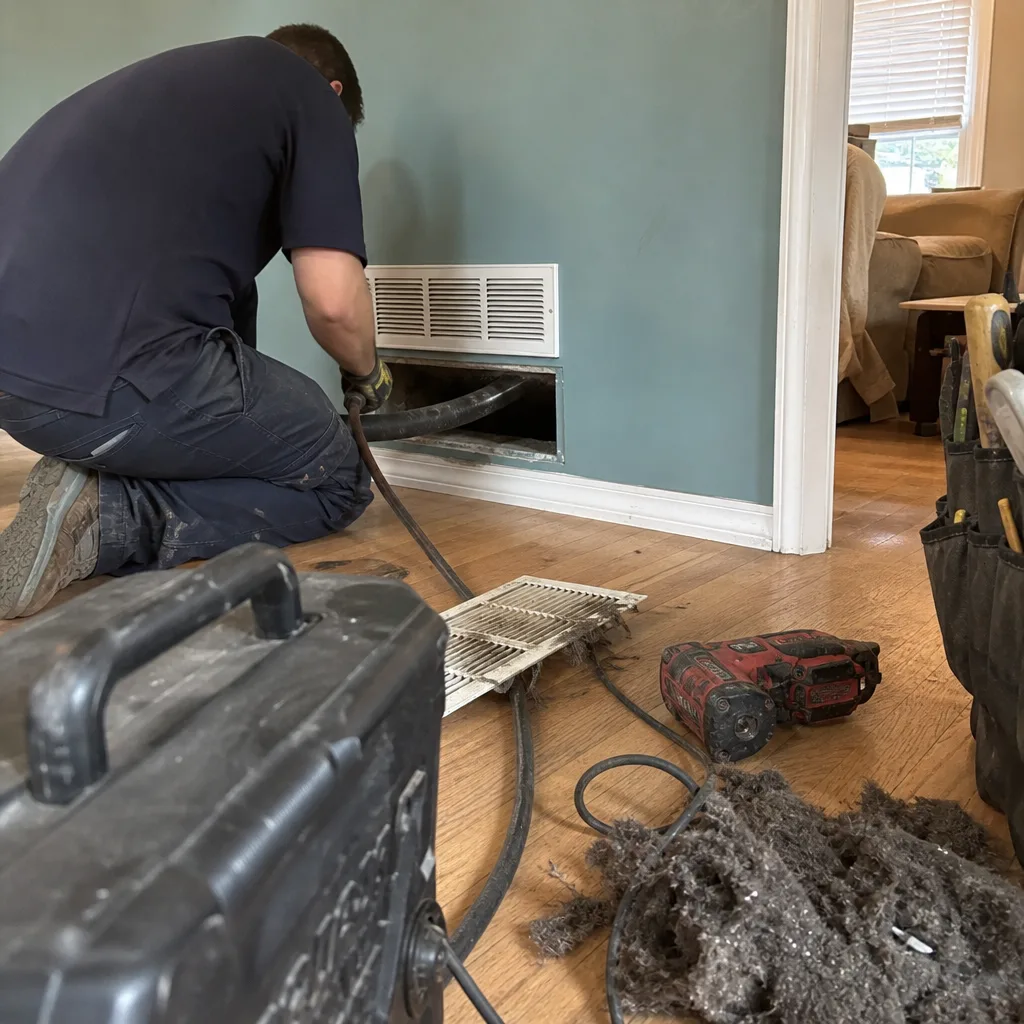 Before
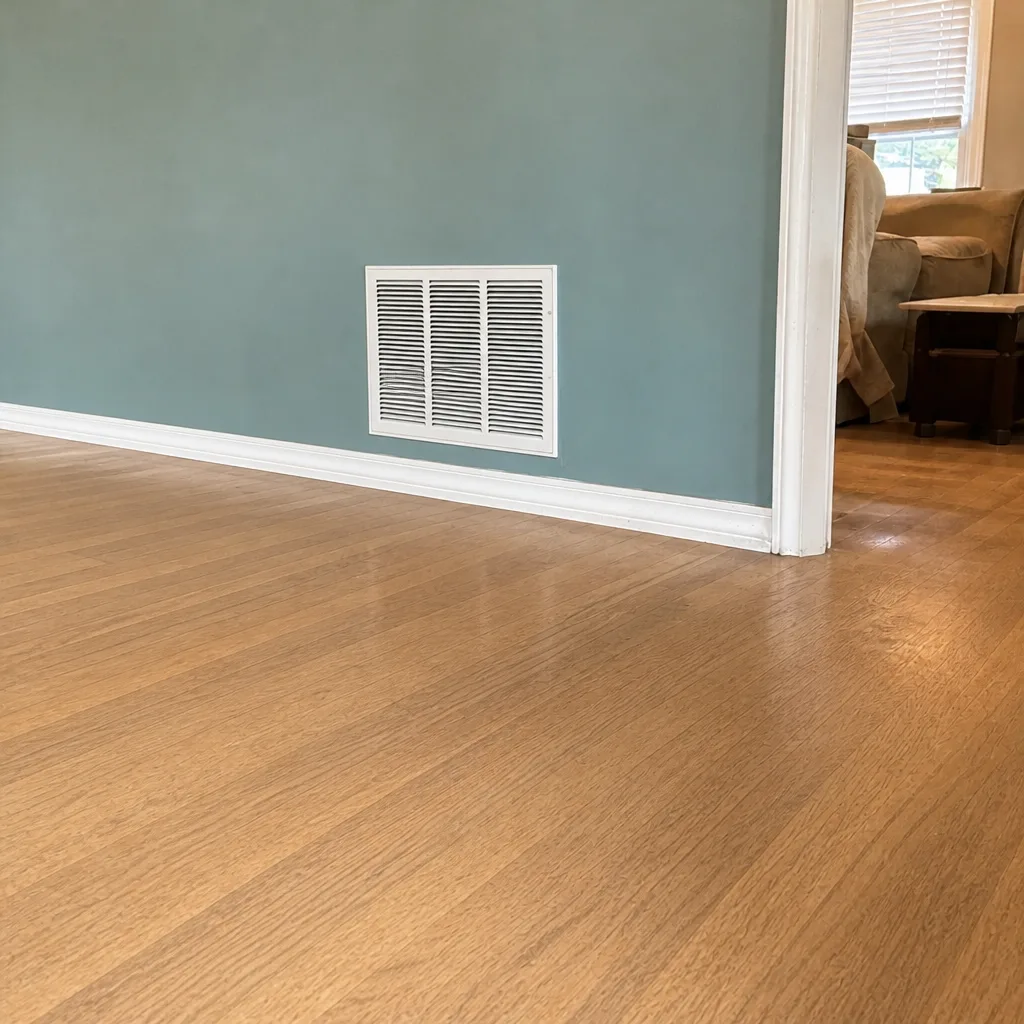 After
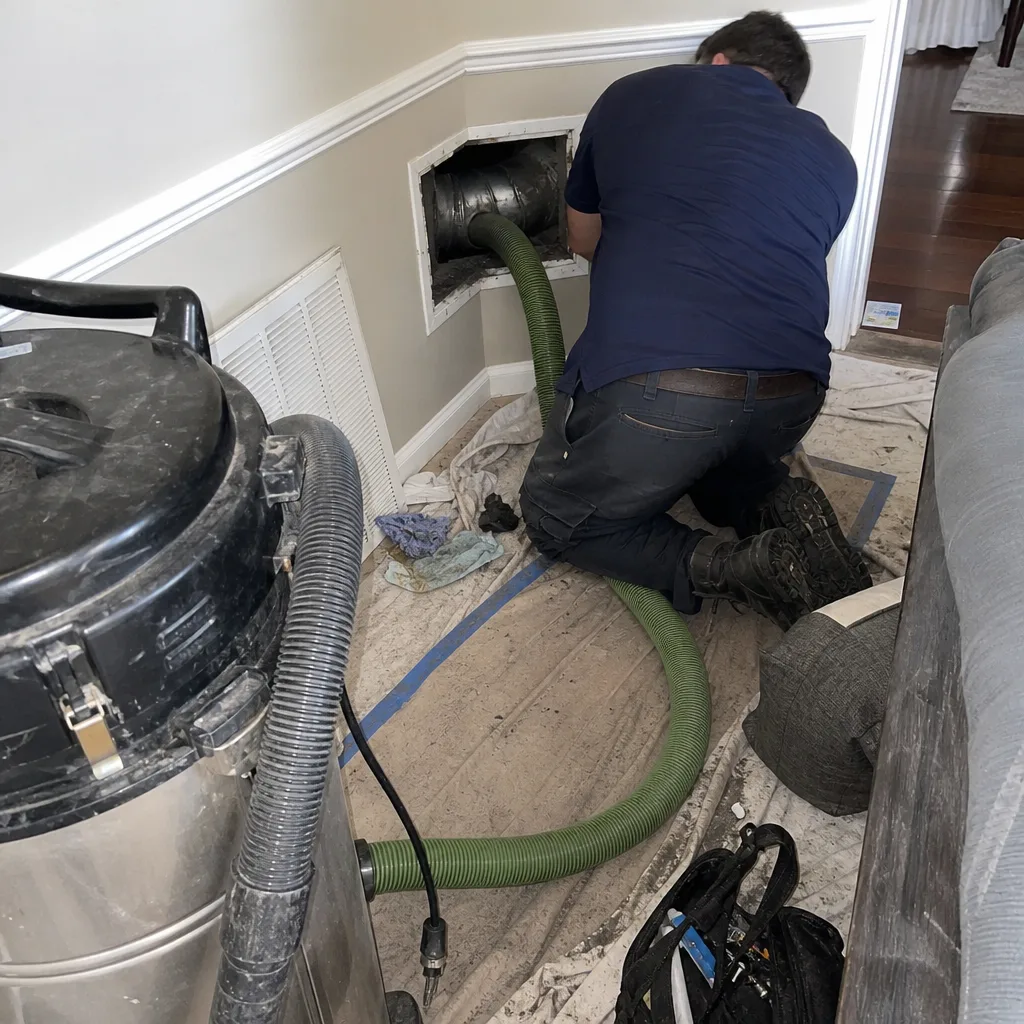 Before
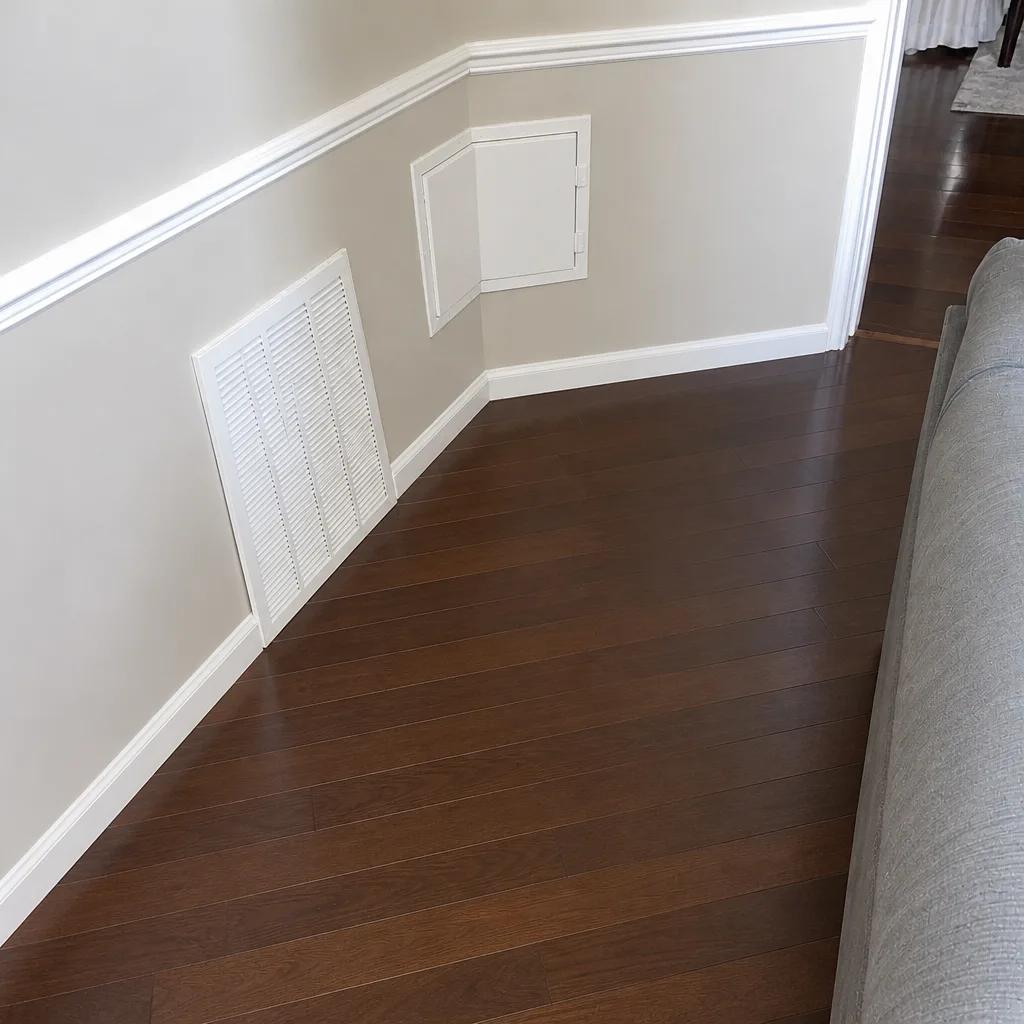 After
 Before
 After
When to Call a Professional
If you’ve read this far and recognize your home in any of these scenarios, the DIY question has answered itself: visible matted debris inside more than one run, pets or allergy-sensitive occupants, a musty odor from registers, uneven airflow that matches a dirty duct, a system that’s never been professionally serviced in a home more than a decade old, or dryer vent that hasn’t been cleaned in recent memory. Those aren’t edge cases; they’re the standard scope of a professional duct cleaning job. Duct Cleaning Fishers offers free estimates in Fishers. Call (844) 320-6508. We answer 24/7. Fast dispatch from 7am to 7pm, Sunday through Friday.
Frequently Asked Questions
You need it if you have visible matted debris inside the duct runs, musty odors from registers, uneven airflow, pets or allergy-sensitive occupants, or a system that’s never been professionally serviced in a home more than a decade old. Register dust alone isn’t a reliable signal; visual inspection inside a run is. If you’re unsure, an in-person inspection during a free estimate will tell you whether cleaning is warranted. Call (844) 320-6508 for a free estimate.
No, a shop vac cannot achieve source removal in an air duct system. Consumer vacuums move roughly 150 CFM while professional systems move 2,000 – 4,000 CFM, which means a shop vac agitates surface debris but lacks the velocity and sustained negative pressure to pull it out. The stirred material often ends up at the blower motor or in the branch runs rather than in the vacuum. Call (844) 320-6508 if you’d like a professional-grade cleaning estimate.
Air duct cleaning removes accumulated debris from inside the ductwork; air duct repair seals or replaces compromised sections like separated joints and crushed flex runs. They’re separate services solving separate problems, and they’re often needed together because a damaged duct will continue to degrade airflow even when it’s clean. We offer both, along with duct cleaning in the Fishers area, and the repair is the one most companies leave out. Call (844) 320-6508 to book a free estimate.
Most Fishers homes need professional cleaning every three to five years, though the right interval depends on pets, allergies, smoking, recent renovations, and how tightly the home is built. Homes with pets or allergy-sensitive occupants often warrant cleaning more frequently. Homes without those factors and with well-maintained filters can go longer. An in-person inspection is the honest way to decide. Call (844) 320-6508 for a free estimate.
Cheap quotes usually reflect the equipment being used, not a discount on the same service. A $99 quote often means a shop vac and a brush kit rather than a professional-grade system with negative air filtration. That’s a different service category, not a better deal. Our pricing is one flat price per system agreed before work starts, with before-and-after photos of your own ducts. Call (844) 320-6508 for an exact estimate.
You should receive before-and-after photos of your own duct runs, not stock images. Ask for them during the estimate conversation and confirm they’ll be provided after the work. A single flat price per system agreed in writing before the technician starts also means nothing changes on the invoice after the fact. Call (844) 320-6508 to discuss what documentation you’ll receive with your estimate.
The Bottom Line
The DIY versus professional question really comes down to whether your equipment can accomplish source removal. Consumer vacuums can’t reach the airflow velocity needed for a full duct system, so DIY works for register cleaning, filter replacement, and visual inspection, and it stops working in a hurry once debris is matted inside the runs or the system has never been serviced. For Fishers homeowners with pets, allergies, musty odors, or older ductwork, professional equipment isn’t optional. It’s the only way to actually remove what’s in the system, and pairing cleaning with air duct repair is the difference between a temporary improvement and a durable fix. Call (844) 320-6508 for a free estimate. We answer 24/7. Fast dispatch from 7am to 7pm, Sunday through Friday.
Written by the team at Duct Cleaning Fishers.