
Last updated November 16, 2026
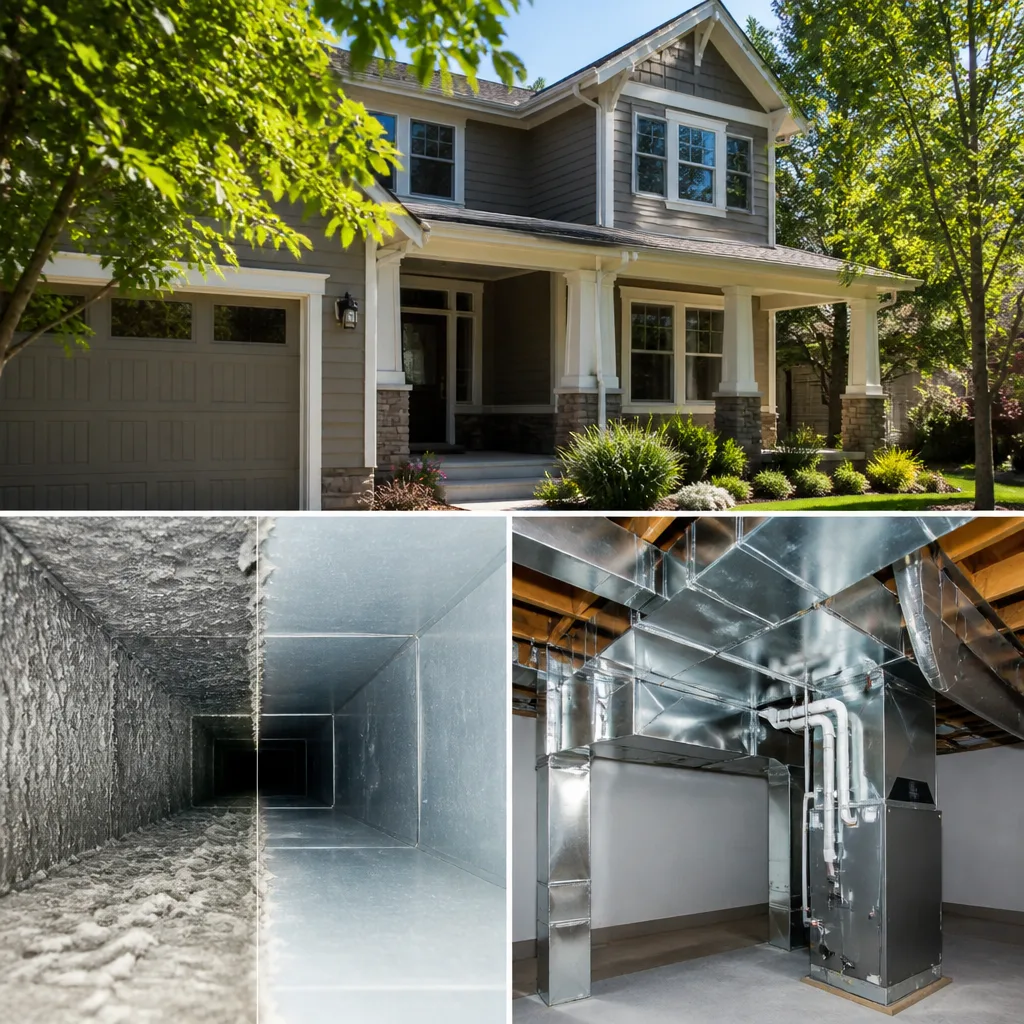 Whole-home duct cleaning
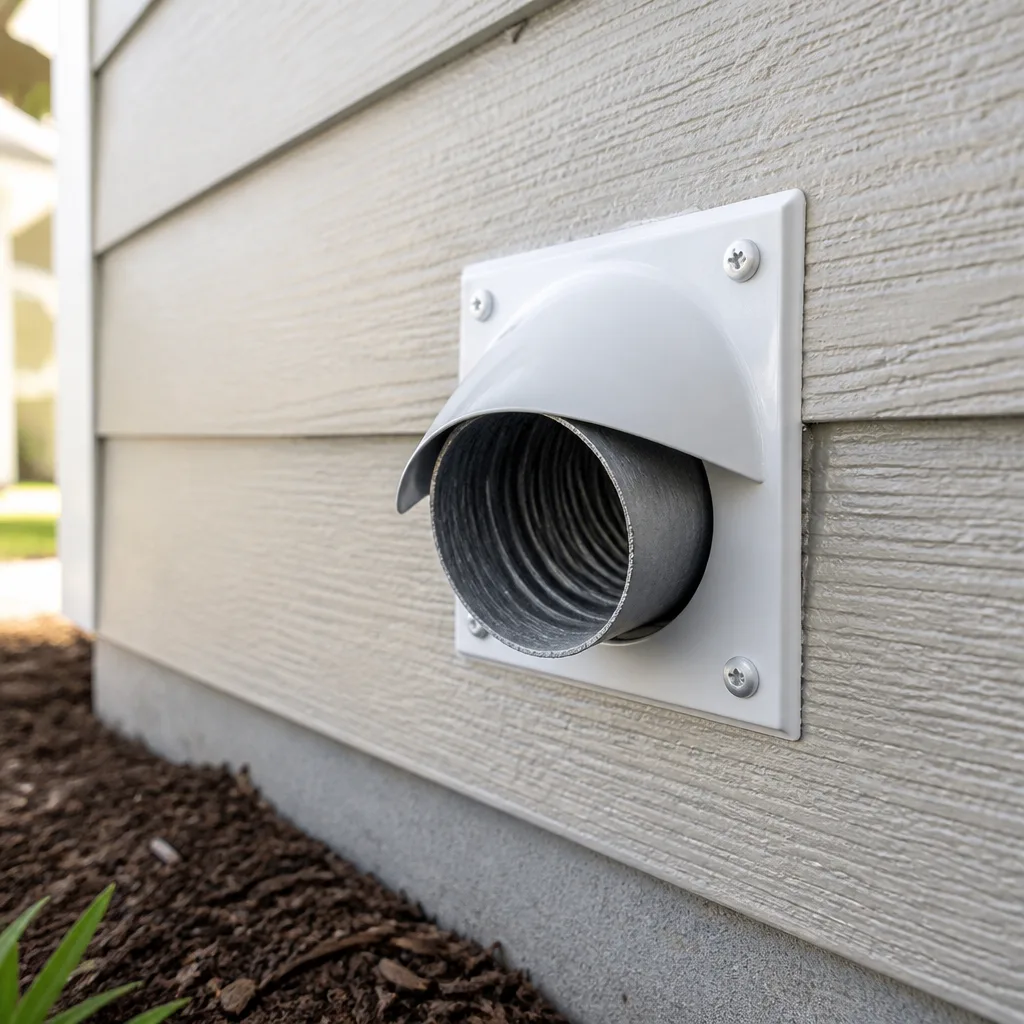 Dryer vent cleaning
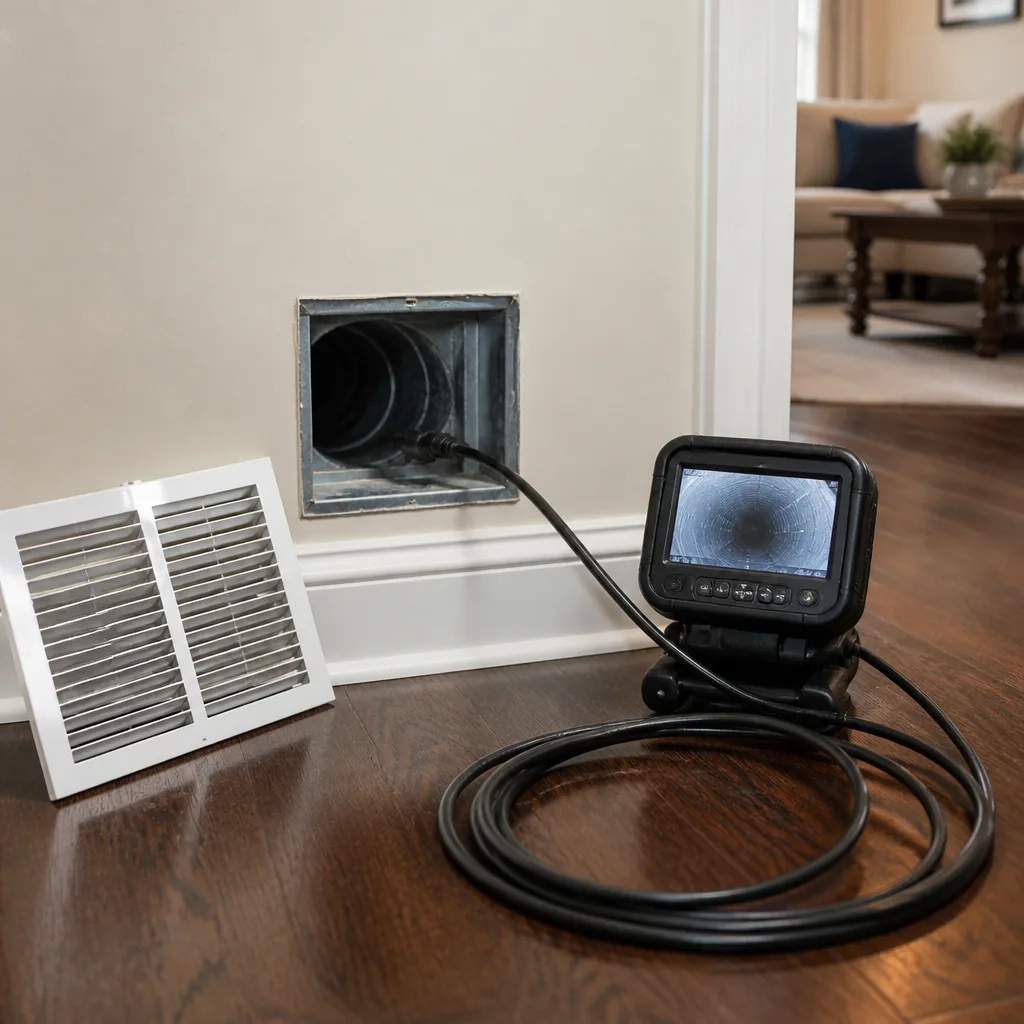 Camera inspection
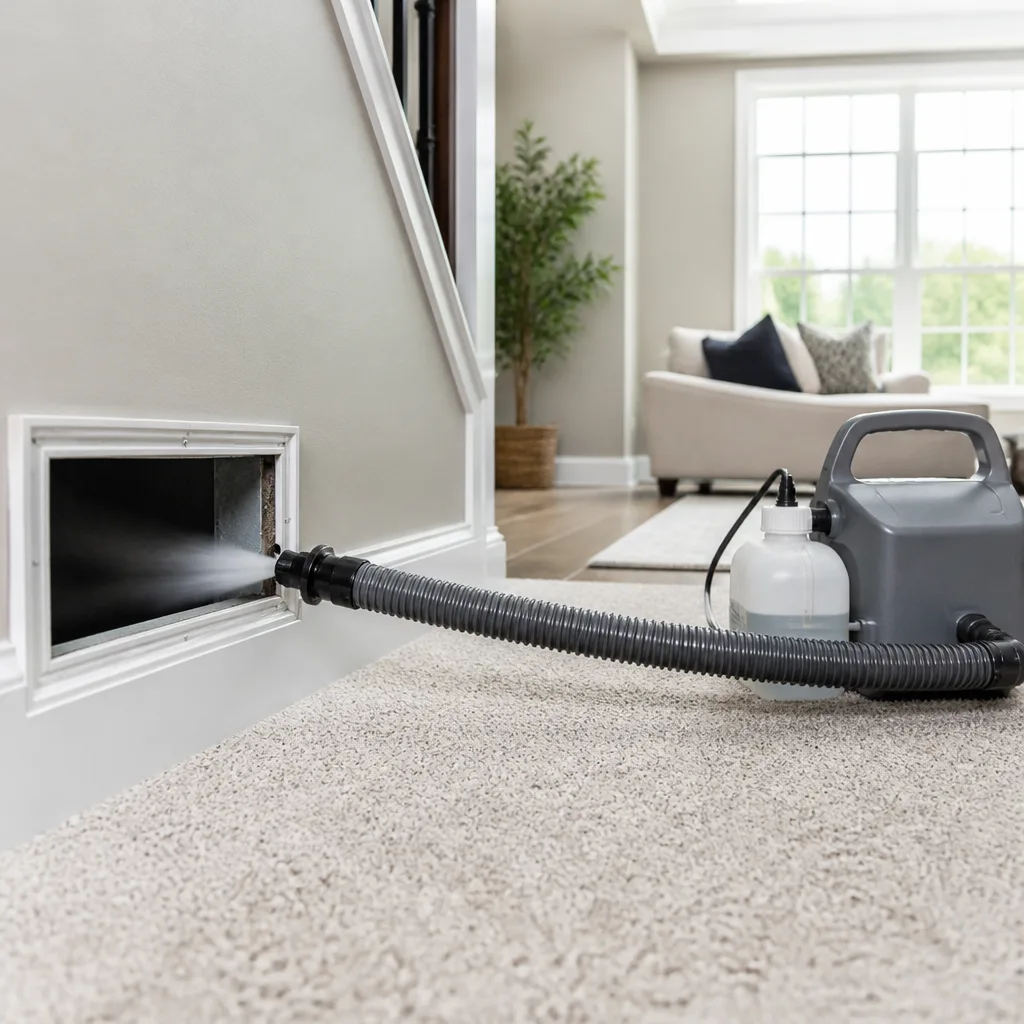 Sanitizing & deodorizing
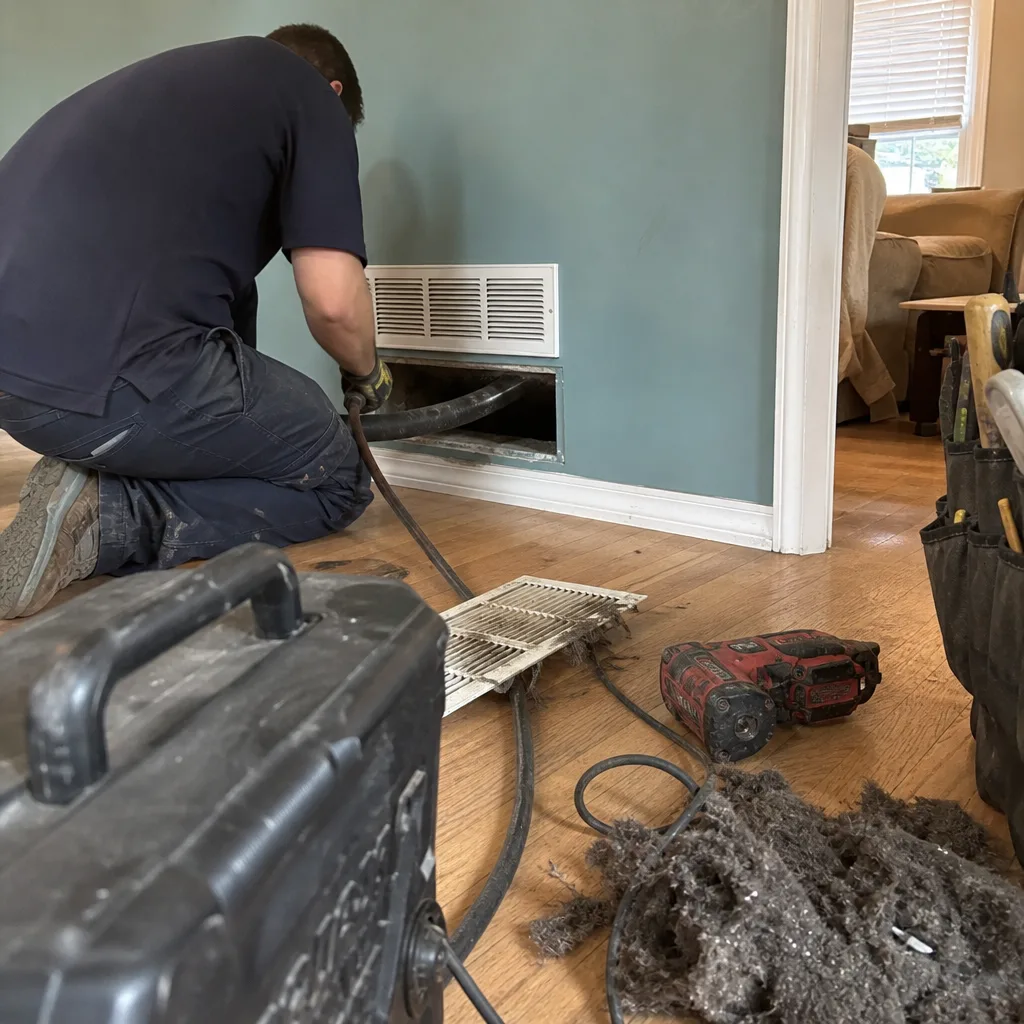
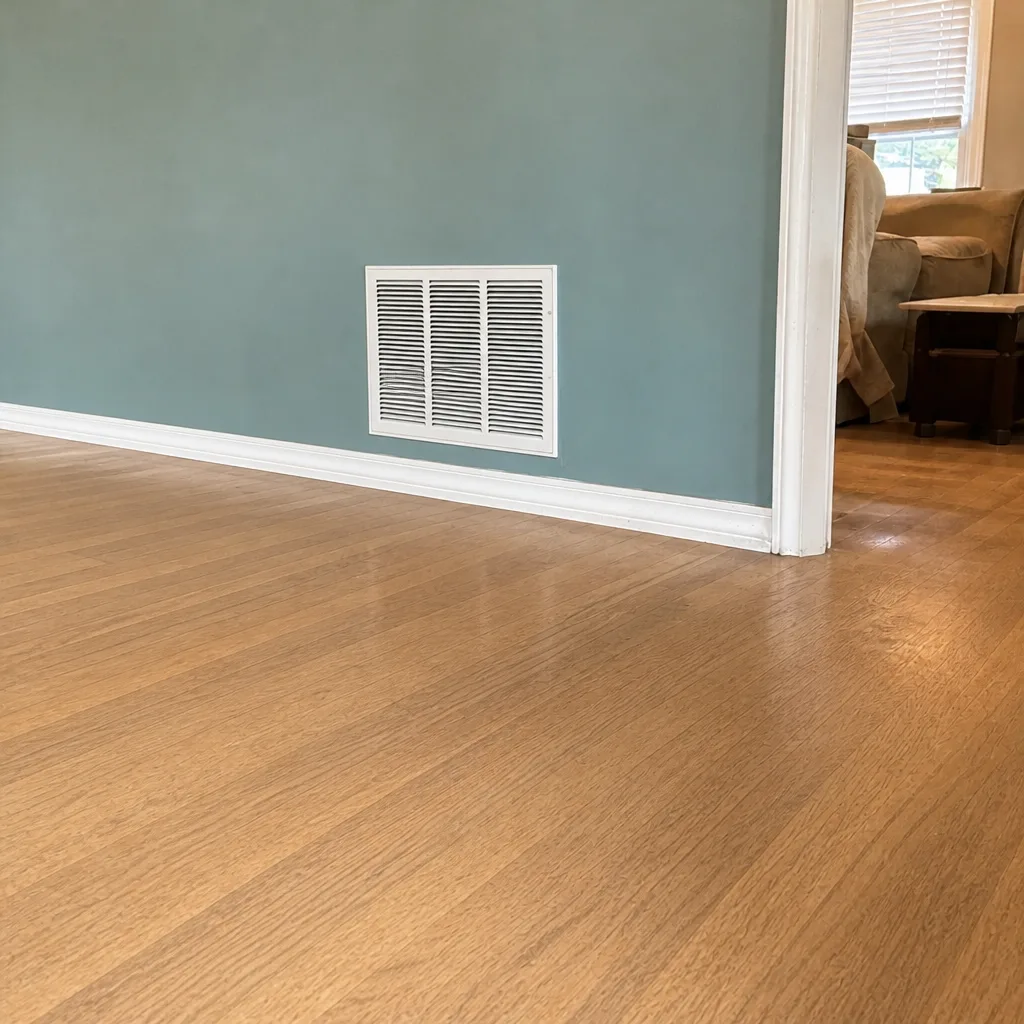
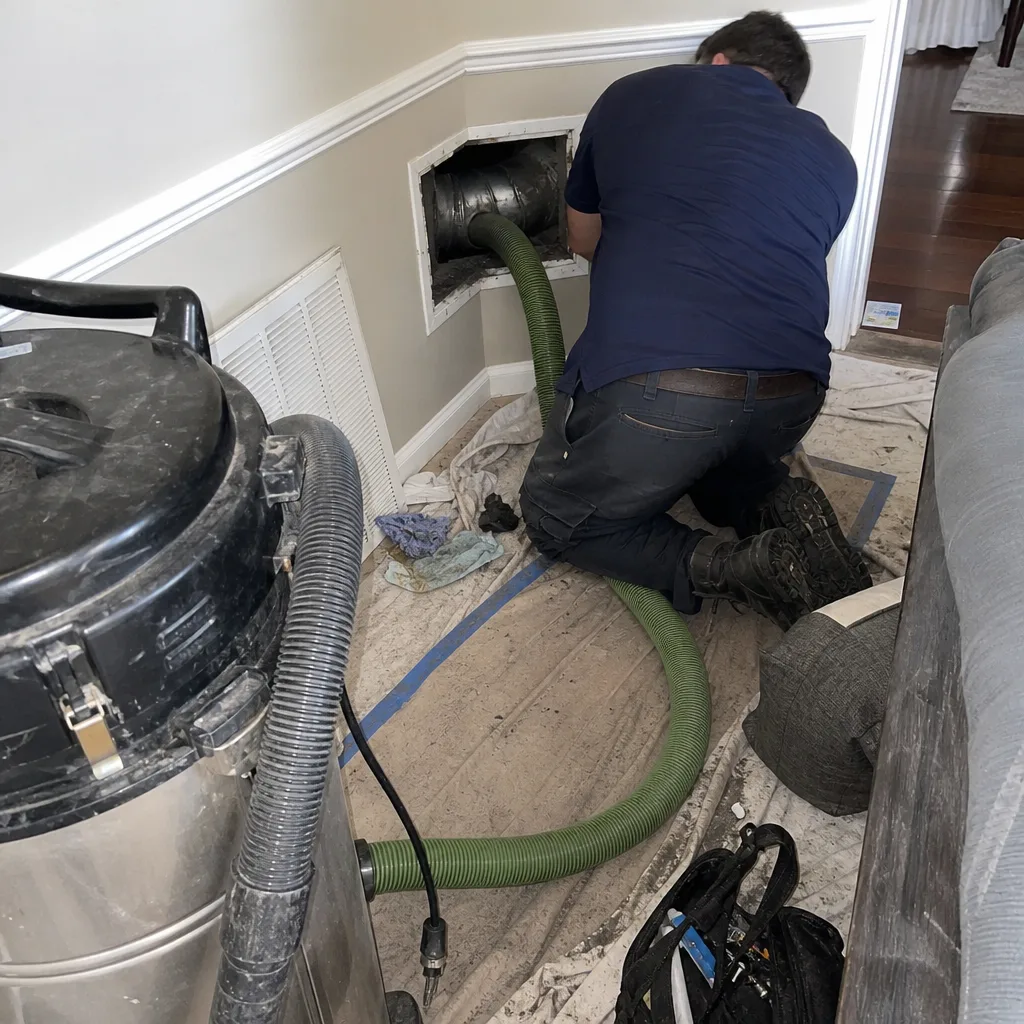
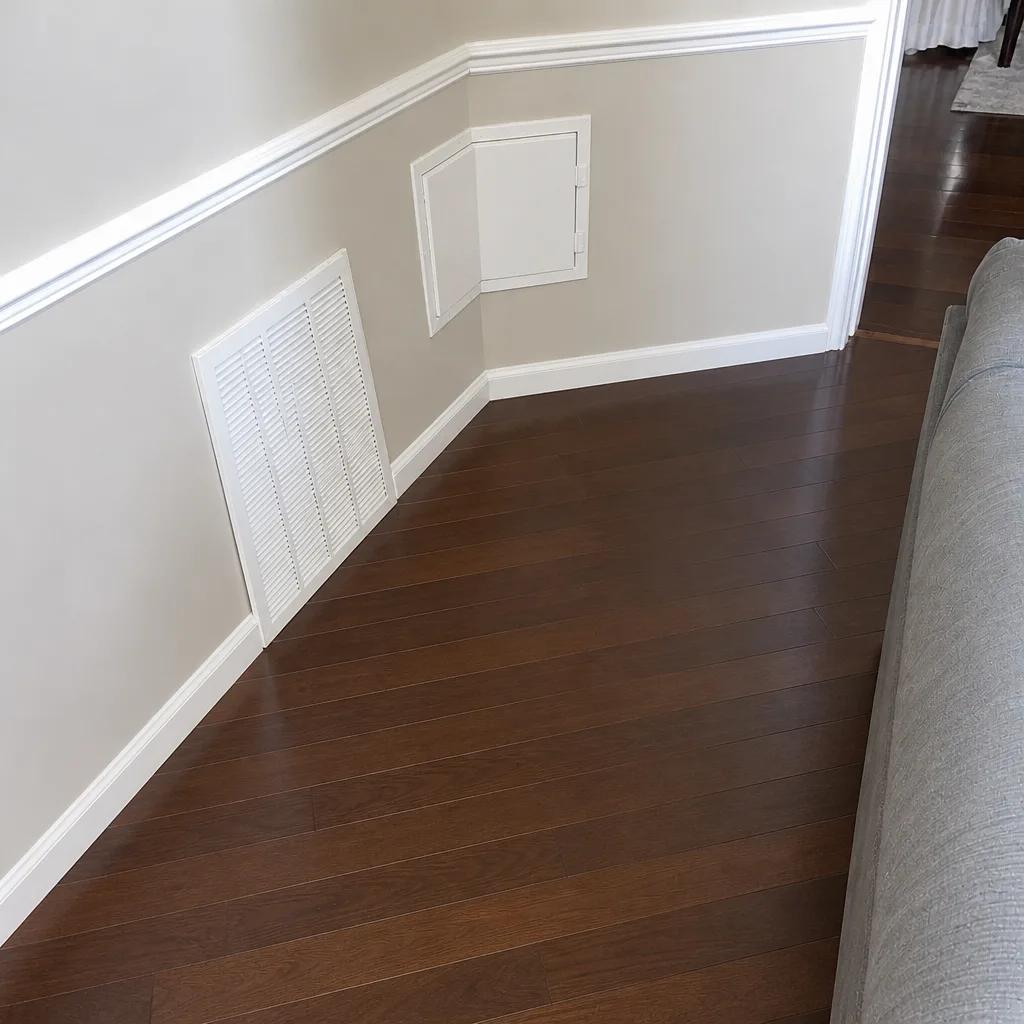
Whole-system duct and dryer vent check with before-and-after photos - you see exactly what came out of your vents
That "$99 whole-house special" is a bait ad - the real number appears once they are in your hallway, or the "clean" is a shop-vac at the register. We photograph the inside of your ducts before and after instead.
How to Hire an Air Duct Cleaning Contractor in Fishers: A Step-by-Step Guide
A low teaser price for a whole-house duct cleaning is a volume calculation, not a quality one. For that number to work as a business, the job has to be finished in roughly an hour and a half, and 90 minutes is not enough time to properly clean a 2,500-square-foot home in Fishers with a real negative air machine, a brush system, and containment running the whole time. That gap between the advertised number and the physical work involved is where most hiring mistakes begin. This guide walks you through the technical vetting questions that separate a focused duct specialist from a generalist using duct cleaning as an add-on to a furnace tune-up. You’ll learn what to ask, what answers are acceptable, and how to read a quote written in a language you actually understand.
Quick Answer
Hiring an air duct cleaning contractor in Fishers comes down to verifying three things: the equipment (a true negative air machine with HEPA exhaust, a rotary brush system, and on-site containment), the scope in writing (room-by-room, with a stated number of vents and what “clean” means), and the contractor’s ability to repair ducts, not just vacuum them. Ask for equipment specs, a written scope of work before pricing, and a clear answer on how they contain debris during the job. If the contractor can’t give all three, keep looking.
Styles & brands we work with
- Whole-home duct cleaning
- Dryer vent cleaning
- Camera inspection
- Sanitizing & deodorizing
Table of Contents
- Step 1: Know What a Real Duct Cleaning Job Actually Involves
- Step 2: Ask the Equipment Questions That Reveal a Specialist
- Step 3: Understand What NADCA Membership Does and Doesn’t Tell You
- Step 4: Request a Written Scope of Work Before Any Quote
- Step 5: Learn the Red Flags Specific to the Fishers Market
- Step 6: Compare Quotes When Line Items Are Described Differently
- Step 7: Confirm What Happens After the Cleaning
- Common Mistakes to Avoid
- When to Call a Professional
- Frequently Asked Questions
Step 1: Know What a Real Duct Cleaning Job Actually Involves
A legitimate whole-house duct cleaning is a sequence of physical steps, not a single pass with a vacuum hose. Before you call anyone, it helps to know what those steps are, because a contractor who can’t describe them in order is a contractor who either doesn’t do them or doesn’t do them consistently.
Here’s the general sequence a professional job follows:
- Inspection and walkthrough. The technician counts supply and return registers, notes the system type (furnace, air handler, duct material), and looks for signs of separated joints or crushed runs before any cleaning starts.
- Containment setup. Negative air pressure is established at the main trunk or at a cut point, and some form of filtration is placed on the exhaust. This step is what keeps dislodged debris from being redistributed into living space.
- Agitation. A rotary brush or whip system travels each duct run to break loose the settled dust and debris that vacuum alone won’t lift.
- Source vacuuming. The negative air machine pulls the loosened material out of the system and through HEPA filtration.
- Register and boot cleaning. Supply registers and the boots that connect them to the trunk are cleaned by hand, because brushes don’t reach that geometry well.
- Final verification. Registers are reset, system is checked for airflow, and photos of the before-and-after condition of the ducts are usually provided.
A 2,000 to 3,000 square-foot home in Fishers with a typical 15 to 20 register count usually takes a professional two-person crew several hours to complete. If a contractor tells you the whole job is done in 90 minutes, they are skipping steps, most often the agitation, the boots, or the containment.
Understanding what’s involved is the foundation for every question in this guide. The rest of the steps build on it.
Step 2: Ask the Equipment Questions That Reveal a Specialist
The single fastest way to separate a specialist from a generalist is to ask about equipment by name. A professional duct cleaner will answer these questions immediately. A generalist will get vague, change the subject, or quote you their furnace tune-up price again. Here’s what to ask and what acceptable answers look like.
What CFM rating is your negative air machine?
“CFM” is cubic feet per minute, and it’s the measure of how much air the negative air machine pulls through the duct system during cleaning. A machine with too low a CFM rating can’t maintain negative pressure across a whole house, which means debris gets pushed into living space instead of pulled out. Acceptable answers are specific numbers. Vague answers like “it’s a powerful machine” are a red flag. Professional equipment, like the Nikro systems our technicians use, is built for exactly this purpose, and the operator should know the spec.
What type of brush system do you use?
Rotary brush systems (the Rotobrush is the industry-standard example) use a spinning brush head on a flexible shaft to travel duct runs and physically agitate the interior surface. Air-only systems without agitation are the shortcut version and leave most of the settled dust in place. Ask directly: “Do you use a rotating brush system, and on every run?” A yes-or-no answer is what you want. “We use compressed air” is a different, weaker service.
Is there HEPA filtration on the exhaust?
HEPA filtration on the exhaust side of the negative air machine filters the air leaving the system so fine particles are captured, not exhausted into the home. Without it, the machine is a shop vacuum in a bigger box. Professional machines run HEPA-rated filtration as standard. Ask to confirm it, and ask what the machine does with the exhaust air.
How do you contain debris during the job?
Containment is the step most budget operations skip entirely. Equipment designed for the purpose, like Abatement Technologies negative-air filtration units, is deployed on-site during the cleaning to contain dislodged debris at the source. Ask the contractor what they place on-site, and how they protect the home during the job. If the answer is “we’re careful,” they don’t have a process.
What brand of equipment are you running?
Brand names are a useful proxy because professional-grade equipment is expensive and generalists usually don’t buy it. Our technicians work with Rotobrush brush systems, Nikro vacuums, and Abatement Technologies containment because those are the machines specified by indoor air quality professionals. If a contractor can’t name their equipment, the equipment is often consumer-grade.
Step 3: Understand What NADCA Membership Does and Doesn’t Tell You
The National Air Duct Cleaners Association (NADCA) is the trade body that publishes the industry’s accepted standard for duct cleaning (ACR, the Assessment, Cleaning and Restoration standard) and offers a certification exam for technicians. It’s the closest thing this industry has to a baseline credential. And that’s exactly the point: it’s a baseline, not a differentiator.
NADCA membership means the contractor has agreed to follow the trade’s accepted standard and has at least one certified technician on staff. Those are real, worth checking, and you should ask to see current certification. What NADCA membership does not tell you is:
- Whether the crew on your job is actually trained. Certification is per-person. Ask whether the technicians arriving at your home are certified or trained on the standard.
- What equipment they own. Membership doesn’t dictate the machinery. A member with consumer-grade vacuums still meets the standard on paper.
- Whether they can repair ducts. Cleaning and repair are different skill sets, and most duct cleaning companies only do the first.
- Whether the pricing is fair. Membership is a credential, not a quote.
The practical move is to treat NADCA certification as the minimum bar and look past it to equipment and scope. A specialist duct and airflow operation will usually volunteer both without being asked. In Fishers, where generalist HVAC companies often add duct cleaning to their service menu without the equipment to back it up, checking beyond the credential is what protects you from the upsell version of the service.
Step 4: Request a Written Scope of Work Before Any Quote
A verbal quote is a rumor. A written scope of work is a commitment. Before any contractor sets a final price, ask for a written scope that specifies exactly what they’ll do. This protects you two ways: it prevents bait-and-switch pricing once the technician is on-site, and it gives you a document to compare against other quotes.
A proper scope of work includes, at minimum:
- Register count. The exact number of supply and return registers to be cleaned. Not “whole house,” which means different things to different contractors. An exact count.
- Each step of the process. Containment, brushing, vacuuming, register and boot cleaning, and final inspection, in sequence.
- Equipment named. The negative air machine, the brush system, and the containment or filtration in use, all named.
- The main trunkline and plenum. Confirm the cost includes cleaning the main trunk and the air handler plenum, not just the branch runs. This is a common pricing gap.
- Disposal. How debris is removed from the property and where it goes.
- Photos. Whether before-and-after photos of your own ducts will be provided.
- The price, stated as a flat per-system number. Not per-vent, not per-hour, not a range.
- Any additional work identified, priced separately. If repair is needed (a separated joint, a crushed run), that gets its own written estimate, not a surprise line item added during the visit.
Ask for this document before you agree to the visit. A contractor who can’t produce one in a day or two is either disorganized or plans to shift the scope once they’re in your basement. Either way, you learn that before the truck shows up.
A written scope also makes the final price meaningful. Our own commitment to homeowners is one flat price per system, agreed before work starts, with photos of their own ducts at the end. It’s the standard a specialist should be able to meet without hesitation. For a closer look at how that standard applies to the actual work, air duct cleaning on our service page walks through the process step by step.
Step 5: Learn the Red Flags Specific to the Fishers Market
Hamilton County has a crowded duct cleaning market, and a meaningful share of the mailers and door hangers you’ll see around Fishers are from operations that make most of their revenue from add-ons, not the cleaning itself. The bait-and-switch model is simple: advertise a price that covers only a fraction of the job, then upcharge heavily on-site once you have no practical way to say no.
Here are the specific red flags to watch for when comparing contractors in Fishers:
The “$99 whole-house” or similar teaser price
As covered at the top of this guide, that number only works if the job takes under 90 minutes. It’s a volume play. The add-ons arrive on the invoice (main trunk, extra return, “heavy soil,” per-vent upcharges). A real whole-system price is quoted as a flat number after the contractor has reviewed the scope, not as a headline number designed to get a technician in the door.
Mold scare tactics
Mold remediation is a separate licensed specialty with its own standards, and a duct cleaner is not qualified to diagnose it off a phone call. If a contractor uses “I see mold in your ducts” as a sales lever on the first visit, or markets their cleaning on a fear of mold alone, treat it as a sales technique rather than a diagnosis. A specialist will note visible moisture issues and recommend a qualified remediation professional if there’s an actual concern, not use it to inflate the invoice.
Vague “sanitizer” or “deodorizer” upsells
If a contractor tries to sell you a fogging, spraying, or “sanitizing” add-on as part of the cleaning, ask three questions: what product, what concentration, and under what standard. If the contractor can’t name the product and the standard, the add-on is a revenue line. Cleaning is a physical mechanical process; the machinery does the work, not a spray bottle.
No physical address, no written scope, no photos
Three problems that usually travel together. A contractor who can’t produce a business address, a written scope of work, or before-and-after photos of the actual ducts they cleaned is a contractor operating without accountability.
Refusal to include the main trunkline
If the quote is “per vent” and the main trunk and plenum are “extra,” that’s the structural cost being hidden. Ask directly whether the trunk and plenum are included in the quoted number.
Upselling an unrelated replacement on the same visit
If a duct cleaning appointment turns into a sales pitch for a new furnace, ask yourself which service the contractor actually specializes in. Our scope is deliberately limited to three services – air duct cleaning, dryer vent cleaning, and air duct repair – precisely so the visit stays focused on the ducts.
Step 6: Compare Quotes When Line Items Are Described Differently
Here’s the problem with comparing duct cleaning quotes: contractors use different language for the same work, so a side-by-side comparison of quotes tells you almost nothing unless you normalize the line items first. One contractor’s “whole house cleaning” is another contractor’s “up to 10 vents, main trunk extra.” You need to translate before you compare.
Build a normalized comparison sheet before you evaluate quotes. Here’s the framework:
- Register count. Get the exact number of supply and return registers included in each quote. If a quote uses “up to X vents,” confirm what the charge is per additional vent above that.
- Main trunk and plenum. Confirm included or excluded for each quote. This is usually the biggest line-item variance.
- Containment equipment. Confirm each quote specifies on-site negative air and HEPA filtration.
- Brush system. Confirm each quote uses rotary brush agitation on every run, not air-only.
- Register and boot cleaning. Confirm included, not a separate charge.
- Repair scope. Confirm whether the contractor will identify and quote separated or damaged ductwork, or only clean.
- Photos and documentation. Confirm whether before-and-after photos will be provided.
Once you’ve normalized, the differences become obvious. A quote that hits every line item on that list is a whole-system price. A quote that’s missing three of them is a partial job with a headline price. Comparing a $99 quote against a full-scope quote isn’t comparing two prices for the same work – it’s comparing two different jobs. The numbers aren’t comparable until the scope is.
The other normalization step is the flat-price commitment. Ask each contractor whether the quoted number is final for the scope described. If the answer is “it depends on what we find,” ask what their written process is for pricing any additional work found during the cleaning – in writing, before the technician arrives.
Step 7: Confirm What Happens After the Cleaning
Cleaning is the start of a healthy duct system, not the end. The service you’re buying has to account for two things after the cleaning: how you verify the work was done, and whether anything needs repair that the cleaning revealed.
Verification
Ask for before-and-after photos of your own ducts, not stock images. A specialist can usually provide interior photos of the trunk and at least one representative branch run, plus a shot of the registers. If a contractor won’t photograph their work, you’re taking the outcome on faith. Photos aren’t a bonus; they’re the evidence the service happened.
Repair, not just cleaning
Duct cleaning reveals things a vacuum can’t fix: separated joints at the trunk, crushed flex runs behind finished basement walls, disconnected boots, and torn insulation inside the duct. These leaks bleed conditioned air into unconditioned space and disrupt the pressure balance of the whole system. Cleaning a system with a 40% leak at a separated joint means you’ve just cleaned ducts that still leak after you leave.
This is where a focused specialist separates from a generalist. Ask each contractor directly: “If you find a separated joint or a crushed run during cleaning, do you repair it in-house, quote it separately, or refer it out?” The answer should be “quote it separately, and we can do the repair.” If their answer is “we just clean,” you’re buying a service with a known limitation.
Repair scope usually covers flexible duct re-attachment at the plenum and trunk, mastic or tape sealing of joints and boots, replacement of crushed or torn flex runs, and register and boot re-securing. It’s a real line of work, and it’s the one most duct cleaning companies skip because it requires a skill set their crews don’t have. Our own practice of offering air duct repair as one of our three services comes from exactly this pattern: cleaning identifies the leak, and somebody has to fix it.
Understanding how ducts interact with IAQ equipment
If you run a whole-home humidifier, a media filter cabinet, a UV purifier, or a fresh-air intake, the duct condition interacts with that equipment. Technicians trained on duct cleaning in Fishers should be able to tell you how the Honeywell or Aprilaire components in your system behave with the ducts you have, not just clean the ducts in isolation. Ask whether the contractor understands your specific IAQ setup before booking. A generalist will often clean past the humidifier bypass without noticing it.
Common Mistakes to Avoid
- Booking on the headline price alone. The number on the mailer is the entry point to a conversation, not the final number. Ask for the flat per-system price after the scope is set, and don’t compare quotes across different scopes.
- Skipping the written scope. The most common way homeowners get surprised on-site is by never seeing a scope in writing. Insist on one before booking. If the contractor won’t send it, that alone is the answer.
- Assuming all “professional” equipment is equal. A shop vacuum in a crawl space is not a negative air machine. Ask for the machine brand, the CFM spec, and confirm HEPA filtration on the exhaust. In Fishers, where basement ductwork is common, the pressure rating matters for a large home.
- Falling for the mold scare. A contractor using visible “mold” as a first-visit sales lever is using a sales technique. Real moisture concerns should be diagnosed by a qualified remediation professional with the proper inspection, not by a duct cleaner on a cleaning visit.
- Buying “sanitizer” as part of the cleaning. Mechanical cleaning is a physical process. If the contractor’s cleaning relies on a fogging or spraying add-on to be complete, ask what the physical cleaning does without it, and compare that answer against a contractor who leads with the machinery.
- Cleaning without repairing. Cleaning a system with separated joints or crushed runs means the system still leaks after the job. Ask in advance whether the contractor will identify and quote repairs.
- Forgetting the dryer vent. A dryer vent is a fire-safety concern, not just a lint maintenance item. Cleaning the ducts without inspecting the dryer vent leaves the higher-risk component of the airflow system unaddressed. Ask whether dryer vent cleaning is part of the scope.
When to Call a Professional
You don’t need a duct cleaning every year, and any contractor who says you do is selling a maintenance plan, not a service. But there are specific signals that mean it’s time to have a professional look at the system: visible dust plumes blowing out of registers when the system starts, musty odors coming from the vents (which often point to moisture issues in the system), uneven airflow between rooms that can’t be explained by closed dampers, a recent renovation that produced drywall dust or construction debris, a new-to-you home with no record of the ducts ever being serviced, or a dryer that takes more than one cycle to dry a normal load.
For each of those, the right first step is a professional inspection with a written scope, not a phone call to a generalist. Duct Cleaning Fishers offers free estimates in Fishers. Call (844) 320-6508. We answer 24/7. Fast dispatch from 7am to 7pm, Sunday through Friday.
Frequently Asked Questions
A whole-system air duct cleaning in Fishers typically lands somewhere in the range a focused specialist will quote as a flat per-system price after reviewing the scope, not a per-vent number and not a teaser headline. The quote should name the register count, include the main trunk and plenum, and specify the equipment in use. If two quotes differ by more than the scope difference, the difference is almost always the scope (trunk included or not, register count, repair), not the price. Call (844) 320-6508 for an exact quote. Estimates are free.
Because they’re quoting a different, smaller job. A 90-minute visit can’t contain, brush, and vacuum a 2,500-square-foot Fishers home properly; the low number reflects skipped containment, skipped agitation, or a scope that excludes the main trunk or boots. The lower price is accurate for the smaller scope. Compare normalized scopes before comparing prices. Call (844) 320-6508 for a whole-scope quote.
Ask for before-and-after photos of your own ducts as part of the scope, and ask the technician to walk through the process with you at the end of the visit. A specialist can usually photo the interior of the trunk and one representative run, the boots, and the registers. If a contractor won’t photograph their work, you have no evidence it happened. Call (844) 320-6508 to book a scope with documented before-and-after photos.
For most homes, it’s not an annual service. A reasonable schedule for a typical home without pets, allergies, or recent renovation is every several years or after a specific event (renovation, water intrusion, moving into a home with no service history). Homes with pets, family members with asthma or allergies, or older duct systems that have never been serviced usually justify a look sooner than that. Call (844) 320-6508 to talk through a schedule for your home.
No, it isn’t a legal requirement in Indiana, but it is the baseline industry credential and worth checking. NADCA membership means the contractor has agreed to follow the ACR standard and has at least one certified technician on staff. It doesn’t tell you about their equipment, their crew’s training, or their ability to repair ducts. Use it as the minimum, then ask the equipment and scope questions in this guide. Call (844) 320-6508 to ask us about our equipment and process.
Then you need a contractor who does both, not a cleaner who refers the repair out. Ask in advance whether the contractor identifies and quotes separated joints, crushed runs, and disconnected boots. Cleaning a system with leaks means the leaks are still there when the cleaning is finished. A written repair estimate, separate from the cleaning price, is the right way to handle it. Call (844) 320-6508 for a free estimate on cleaning and any repair the inspection identifies.
The Bottom Line
The right way to hire a duct cleaning contractor in Fishers is to look past the headline price and vet three things: the equipment (negative air machine with HEPA exhaust, rotary brush agitation, on-site containment), the written scope (register count, main trunk and plenum, per-system flat price, and before-and-after photos), and the contractor’s ability to repair what cleaning can’t fix. NADCA certification is the baseline; the equipment and scope questions are what separate a specialist from a generalist. If a quote can’t survive normalization, it isn’t the same job. And any quote that relies on mold scare tactics or vague sanitizer upsells is a sales pitch, not a service.
If you want a straight answer on your home’s ducts, including what a whole-system cleaning would cover and whether any repair is worth quoting, we’re happy to look. Fishers homeowners call us for exactly that. Call (844) 320-6508 for a free estimate. We answer 24/7. Fast dispatch from 7am to 7pm, Sunday through Friday.
Written by the team at Duct Cleaning Fishers.
See the difference
 Before
 After
 Before
 After
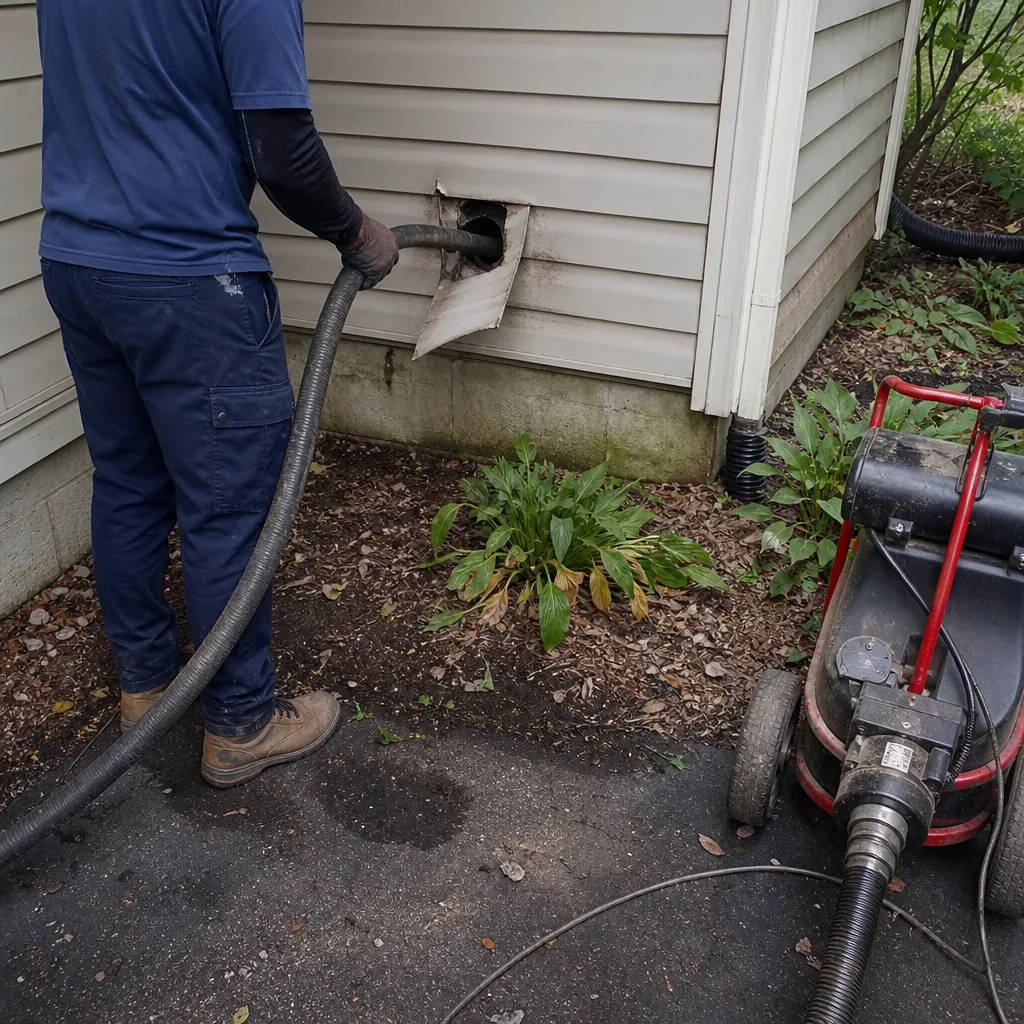 Before
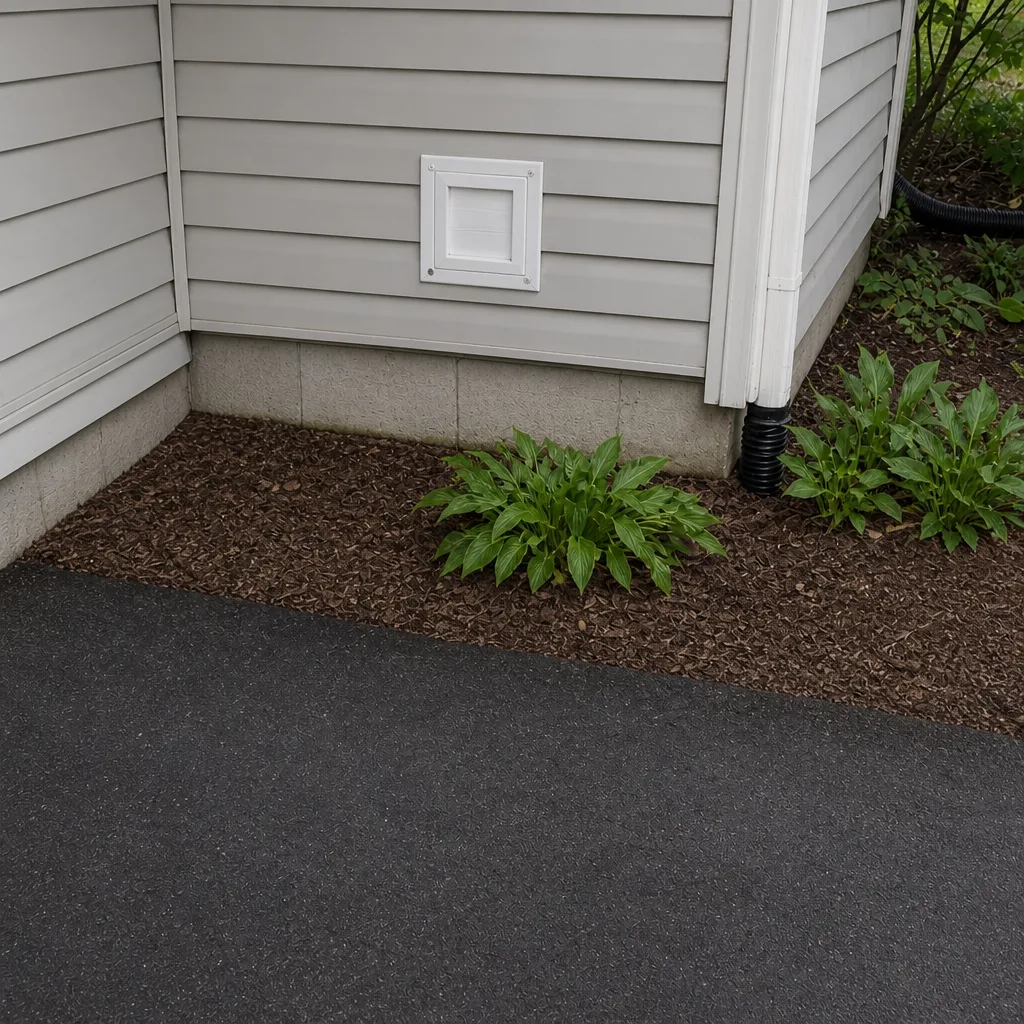 After